Discovering the Beautiful Birds of Riparian Preserve: A Joyful Guide
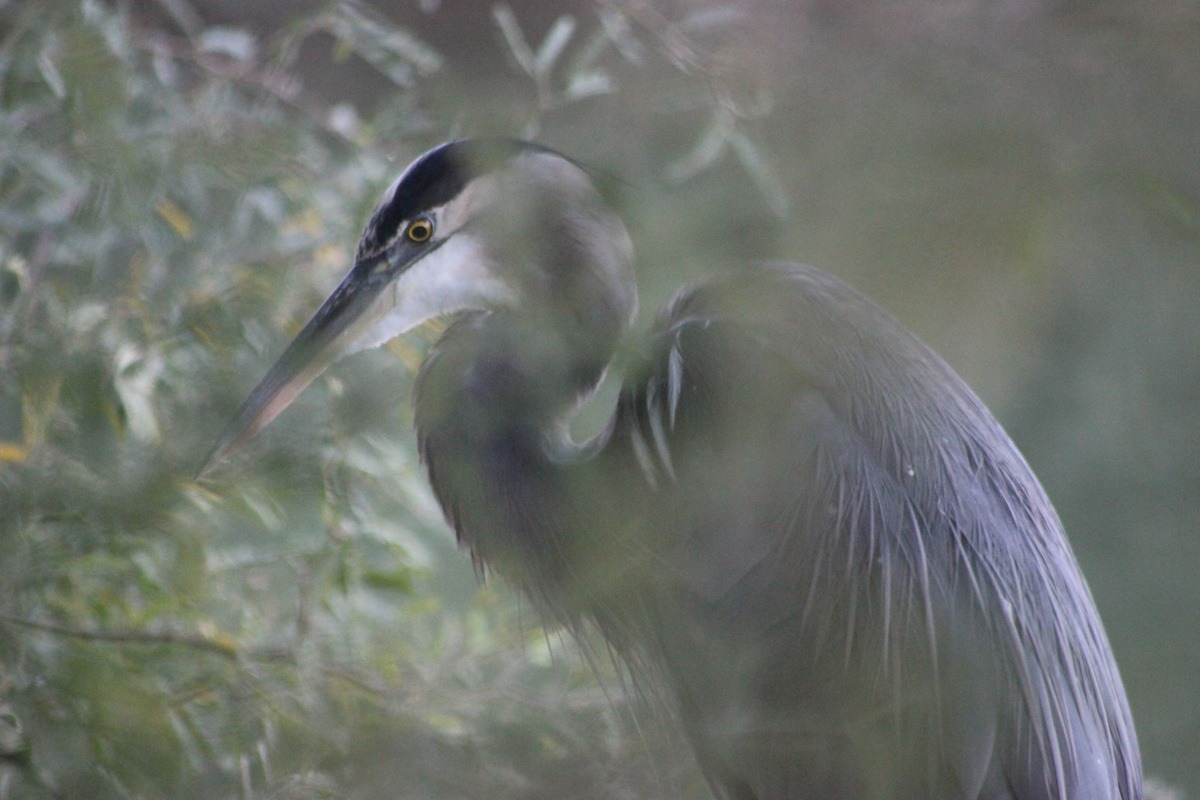
The Birds of Riparian Preserve are Chirping to See You
You do not need to travel deep into the wilderness to find incredible wildlife photography. Right in Gilbert, Arizona, the Riparian Preserve at Water Ranch serves as a vibrant, 110 acre desert oasis. This globally recognized haven attracts over 300 species of birds throughout the year.
For beginner photographers and casual birdwatchers, this park offers the perfect classroom. The accessible trails, open viewing areas, and diverse habitats bring stunning avian subjects right into your viewfinder. Below, you will find a curated gallery of my favorite captures alongside practical tips to help you spot, identify, and photograph these beautiful creatures on your next visit.
The Birds of Riparian Preserve you may see…
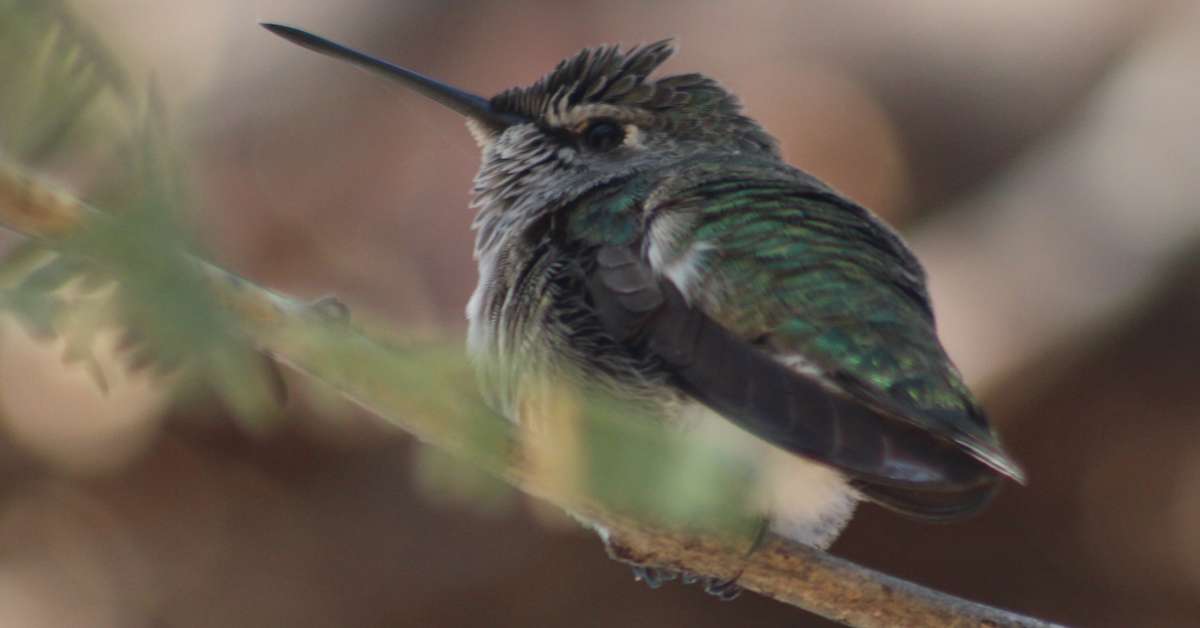
The Riparian Preserve at Water Ranch in Gilbert is a premier destination for desert bird watching. As you explore the basins, you can easily spot spectacular shorebirds like the Black-necked Stilt, the American Avocet, and the vibrant Roseate Spoonbill wading through the shallow marshes. Look closer at the reed beds and saguaros to catch glimpses of native desert residents, including the distinctive Cactus Wren and Anna’s Hummingbird darting through the brush.
Because this 110 acre wetland serves as a critical oasis along a major migratory corridor, it has officially been recognized as an Important Bird Area. To deeply explore local tracking data and behavior guides for these desert species, review the National Audubon Society Arizona Bird Guide before your next morning walk.
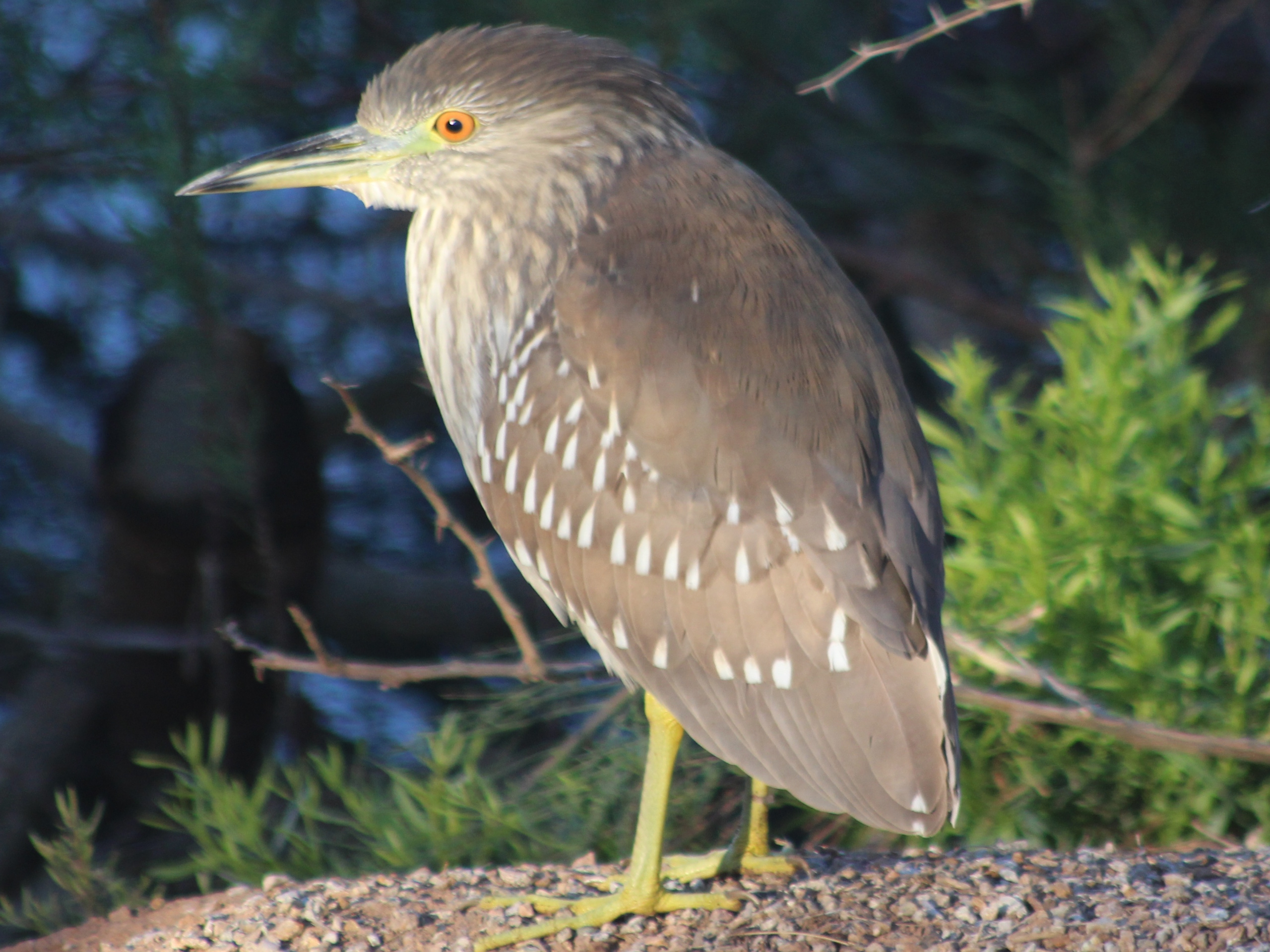
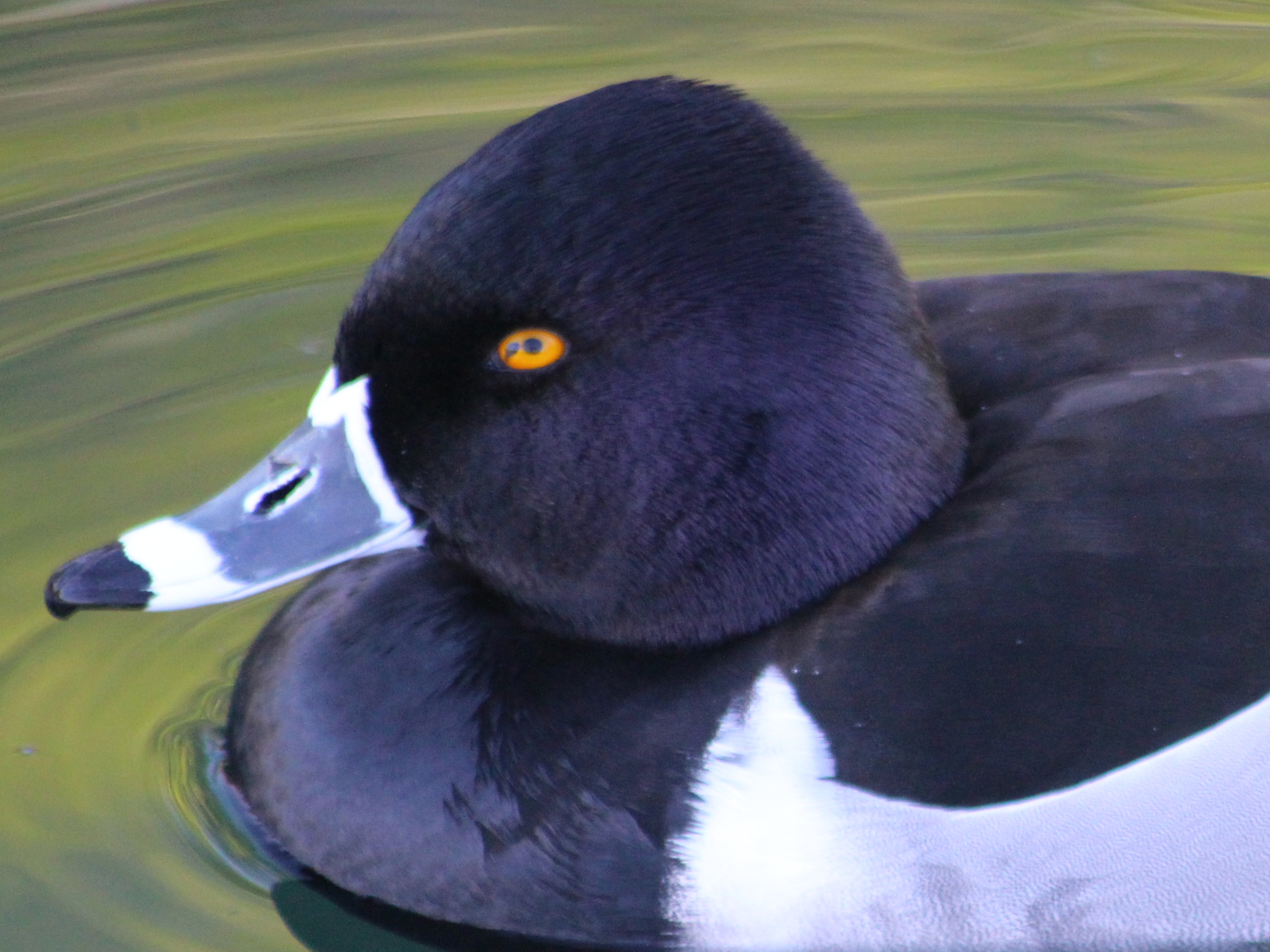
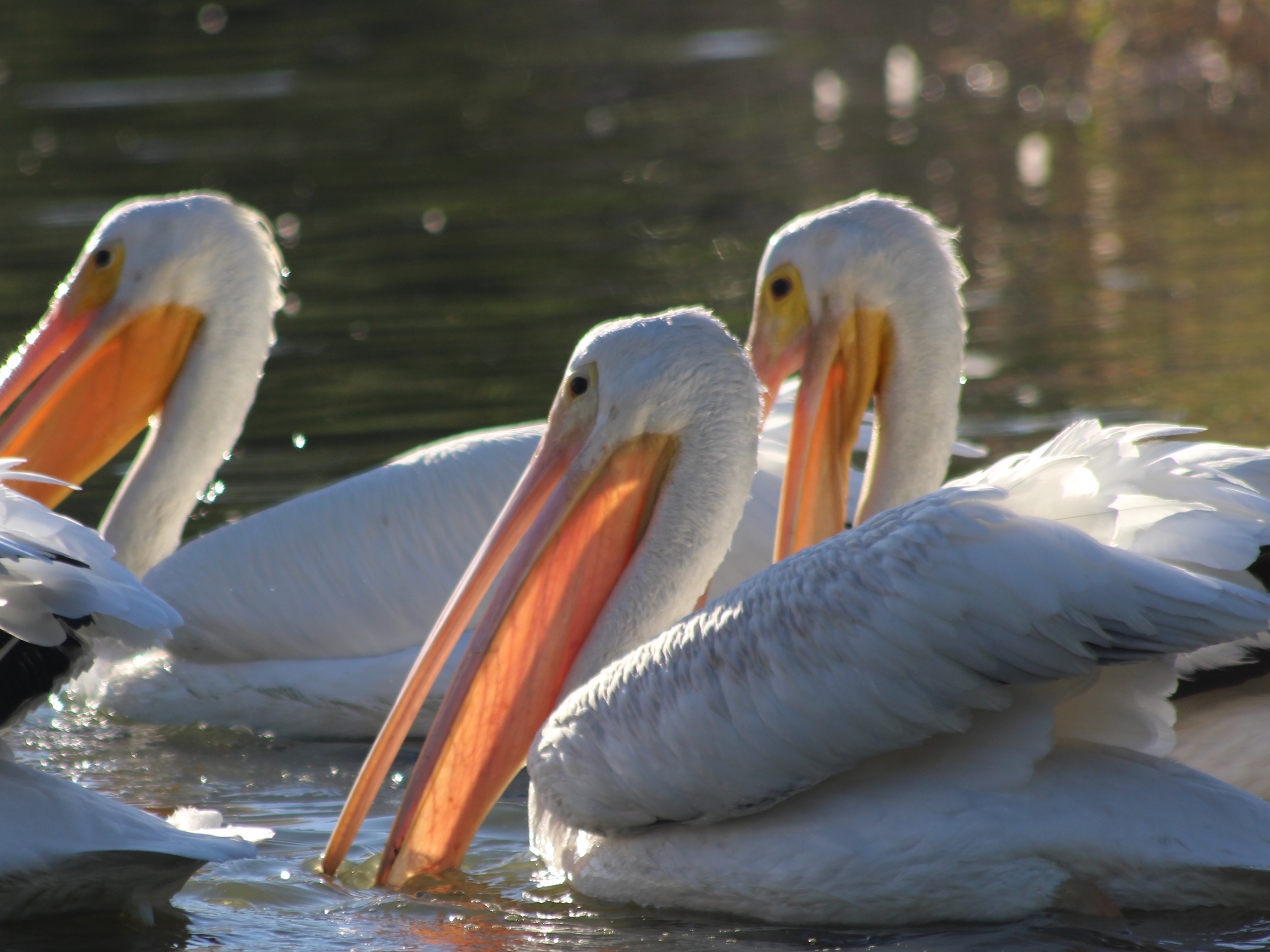
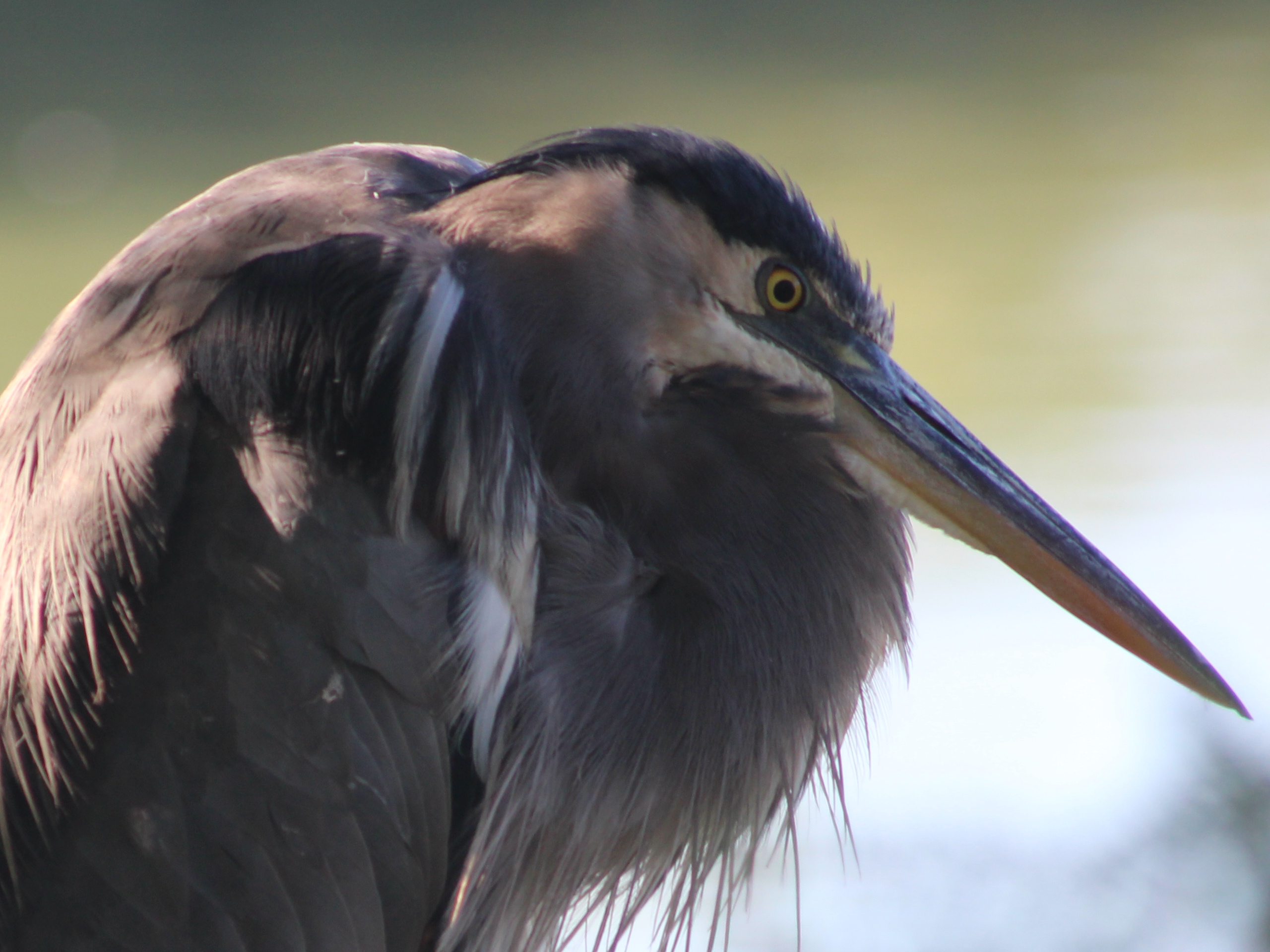
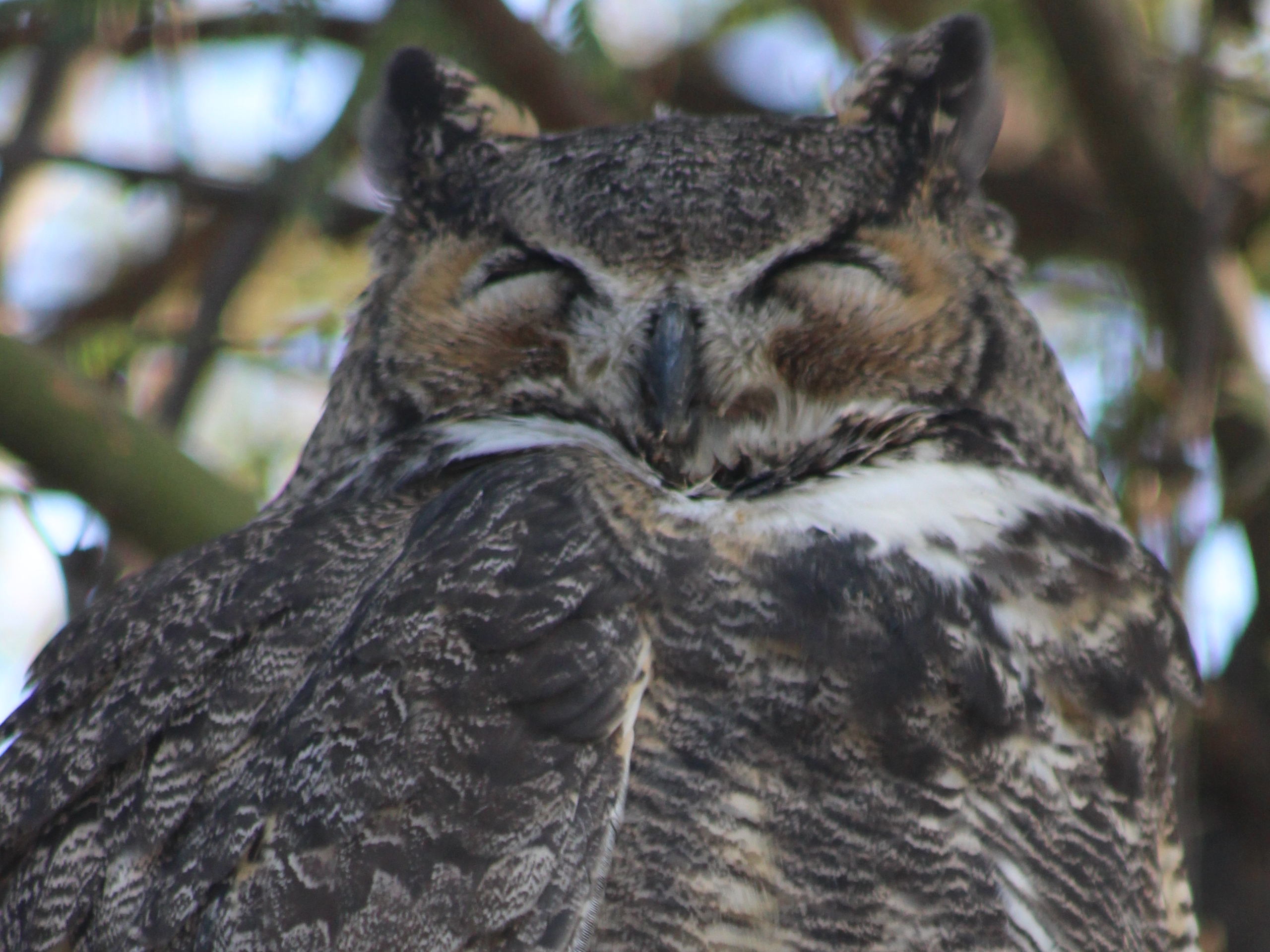
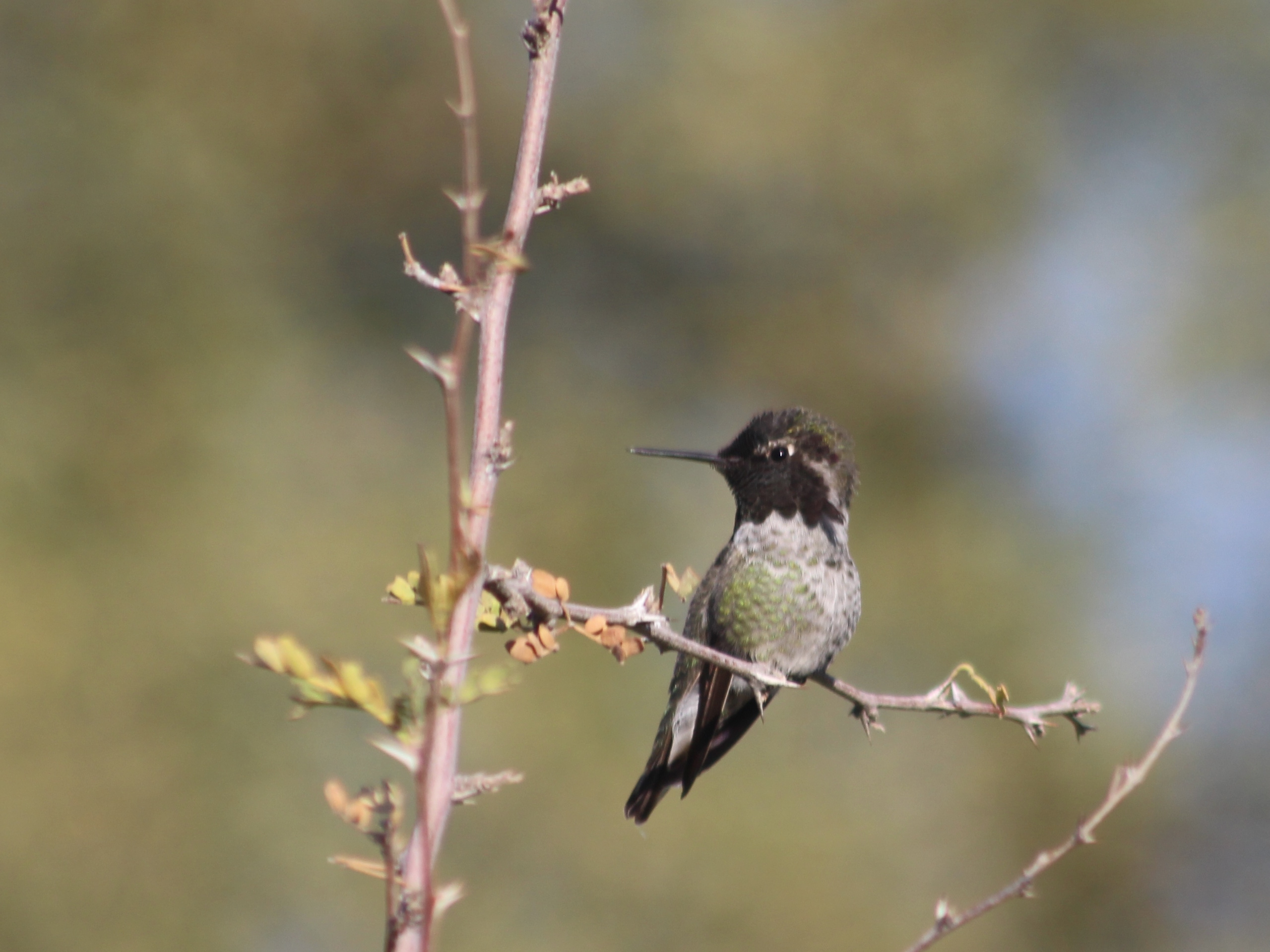
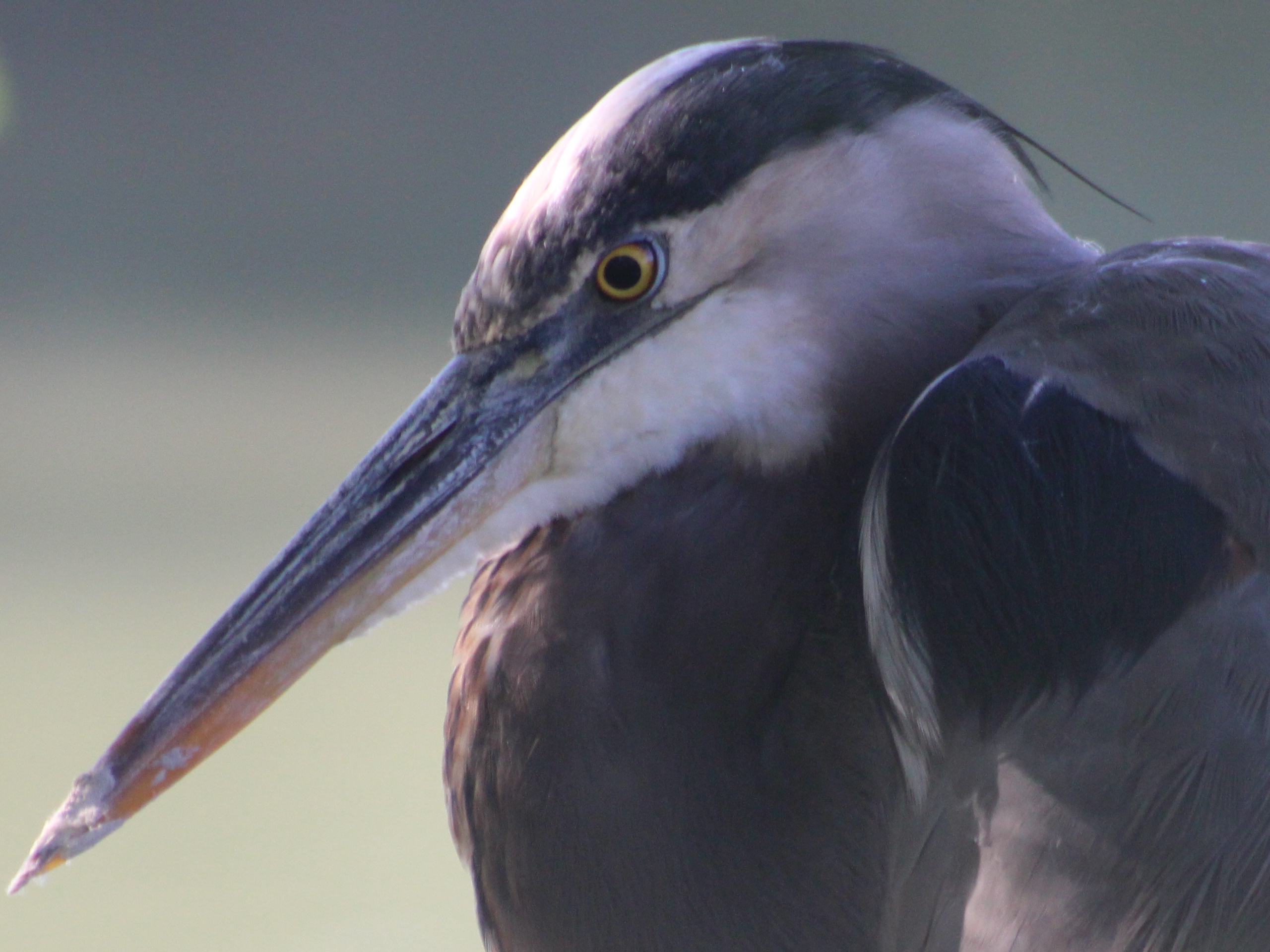
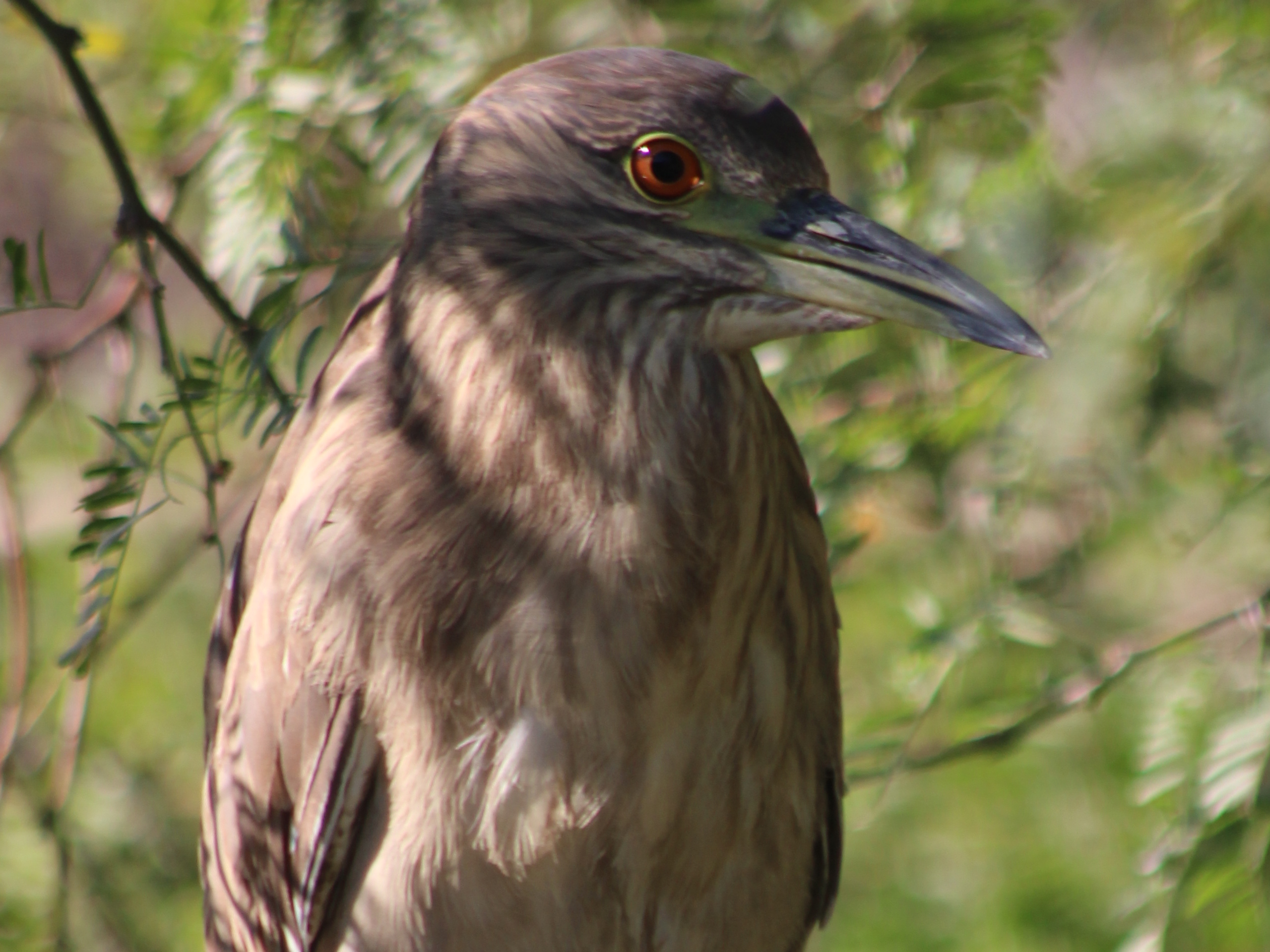
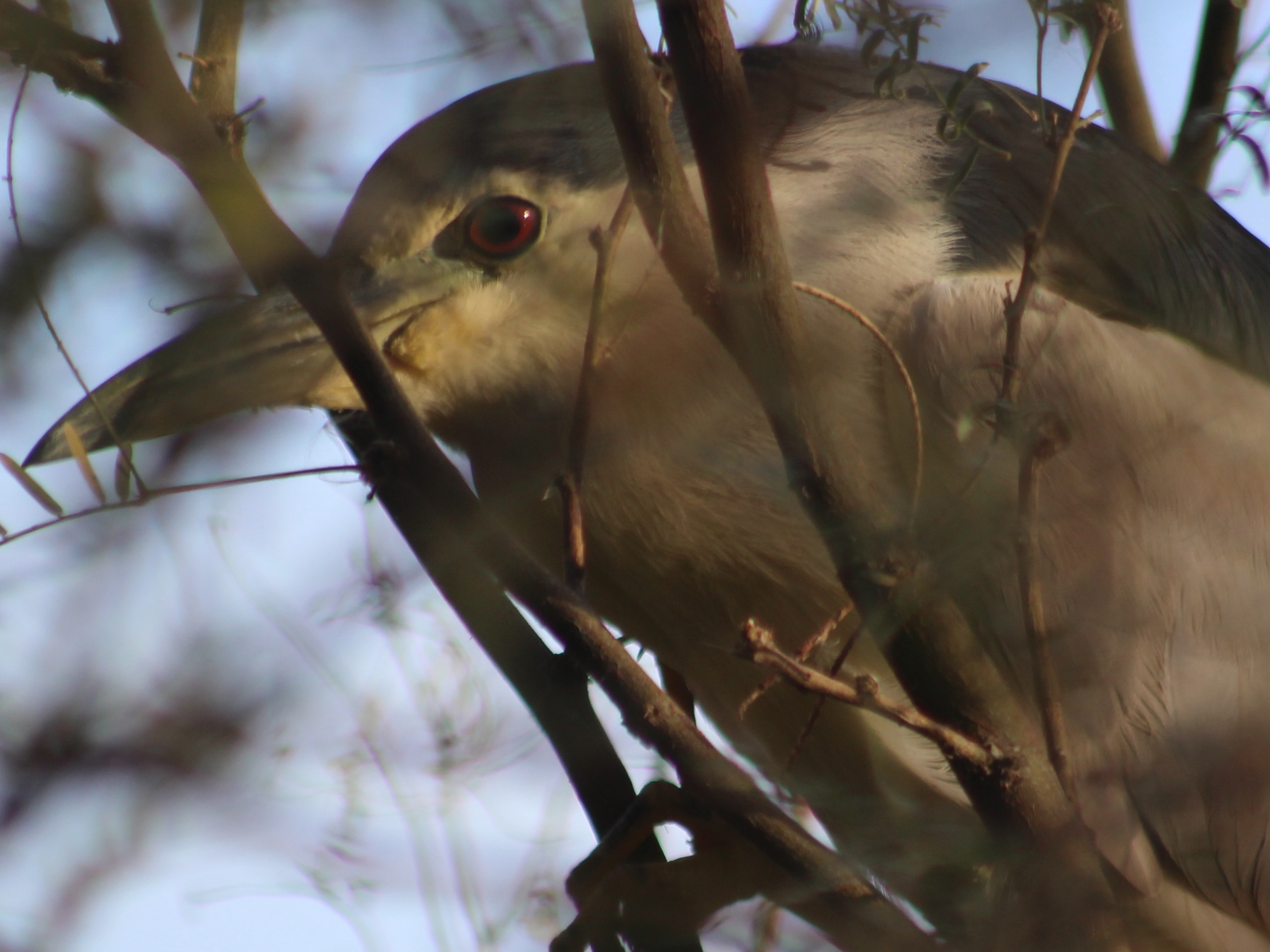
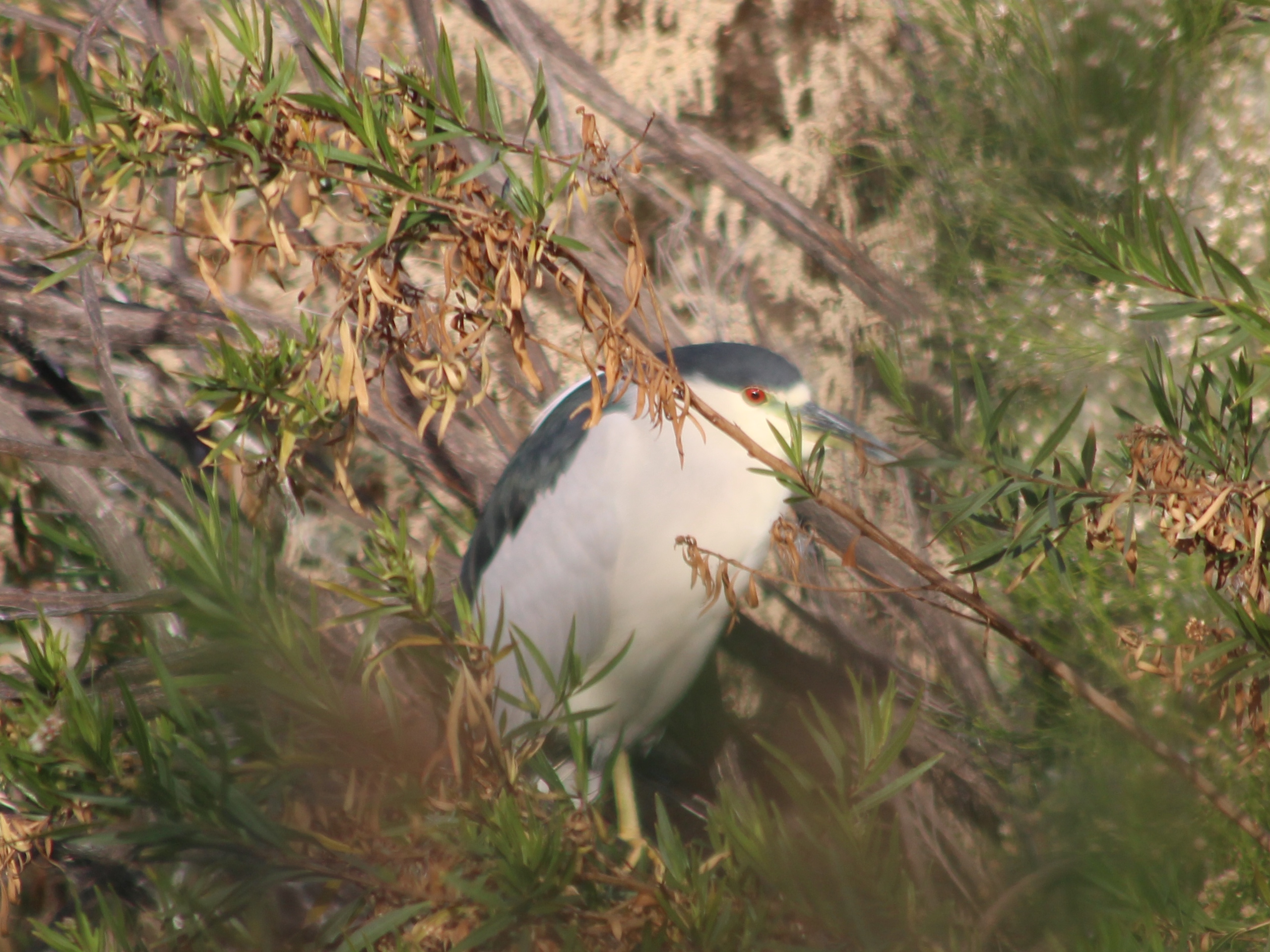
How to Photograph the Birds of Riparian Preserve
Capturing stunning images of birds requires a mix of technical skill, patience, and the right approach. The unique layout of the Riparian Preserve brings wildlife surprisingly close, but fast moving subjects and tricky desert light can still challenge your gear. Whether you are trying to freeze a hummingbird mid flight or capture the reflection of a quiet egret, using the right setup makes all the difference.
The following camera settings and field techniques will help you dial in your manual controls, lock focus quickly, and come home with sharp, portfolio ready images.
Here are the essential camera settings to capture sharp photos of birds of Riparian Preserve.
Birds in Flight (Action Shots)
- Shutter Speed: 1/2000s or faster to freeze wing movement.
- Drive Mode: High-Speed Continuous (Burst) to capture the exact right moment.
- Focus Mode: Continuous AF (AI Servo for Canon / AF-C for Nikon and Sony).
- AF Area Mode: Zone or Dynamic Area to help track erratic movements across the sky.
- ISO: Auto with a minimum shutter speed limit to handle changing light backgrounds.
Wetland & Wading Birds (Static or Slow Shots)
- Exposure Compensation: Dial down (-0.3 to -1.0) to prevent blowing out white feathers.
- Shutter Speed: 1/500s to 1/1000s since herons and egrets move slowly.
- Aperture: f/5.6 to f/8 for maximum lens sharpness and depth.
- Focus Mode: Single-Point AF targeted precisely on the bird’s eye.
Best Times of Day and Seasons to Visit the Preserve
Timing your visit to the Riparian Preserve at Water Ranch is the secret to catching the best wildlife activity while beating the intense Arizona heat. To see a lot of the birds of Riparian Preserve, plan your trip around these optimal seasons and daily schedules.
The Best Seasons to Visit
While the preserve is open year-round, late autumn through early spring (October to April) is indisputably the prime visiting window. During these cooler months, daytime temperatures range comfortably between 60°F and 80°F, making long walks highly enjoyable. This period also aligns perfectly with the peak winter migration season. Thousands of traveling waterfowl, shorebirds, and raptors seek refuge in the preserve’s filled basins, offering birdwatchers an incredible display of biodiversity that you simply cannot see during the summer.
The Best Times of Day
Regardless of the season, your best bet is always to arrive at sunrise or early morning. Wildlife is most active during these cooler, quiet hours as birds forage for breakfast and nocturnal desert mammals return to their burrows. Morning light also provides the crispest, most vibrant illumination for photography. If you are not an early riser, late afternoon just before dusk is another phenomenal option. As the sun sets over the desert horizon, the preserve fills with a chorus of bird calls, and you will get to experience a stunning Arizona sunset reflecting beautifully across the calm waters.
What About Summer Visiting?
If you plan to visit between June and September, extreme caution is necessary as temperatures frequently soar past 100°F. If you must go during the summer, limit your hike to the twilight window between 5:30 AM and 7:30 AM. Bring double the amount of water you think you need, stick to the shaded trails near the mature cottonwood trees, and keep your loops short to protect yourself from heat exhaustion.
Capturing the Magic of Water Ranch
The Riparian Preserve at Water Ranch proves that you do not need to travel far to capture world-class wildlife imagery. By pairing the right camera settings with patience and a watchful eye, you can transform a simple morning walk into a stunning visual story.
Whether you are trying to freeze a raptor in mid air or isolate a quiet heron in the morning mist, this desert gem offers endless opportunities to sharpen your photography skills. Pack your longest lens, head out during the golden hour, and let the vibrant bird life of Gilbert inspire your next great shot. Happy shooting!