Why You Can’t Swap Coconut Flour for Almond Flour 1:1
Coconut Flour vs Almond Flour: A Relatable Baking Disaster
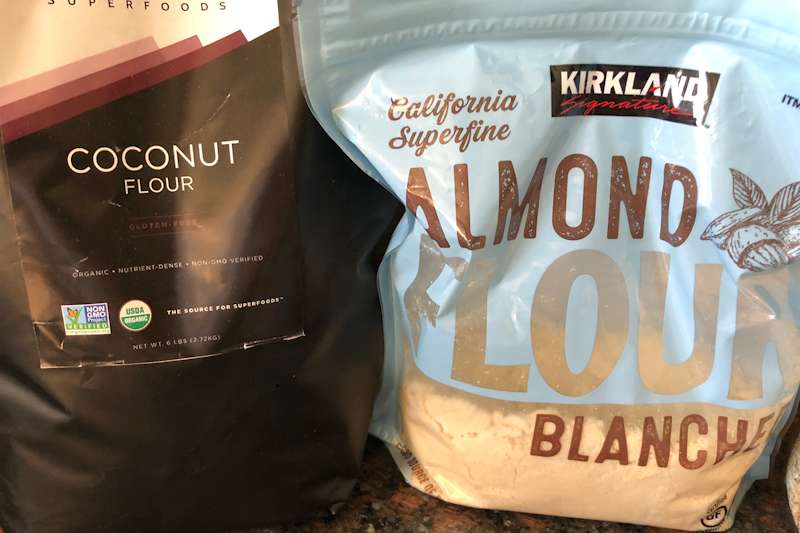
So, I had a bag of coconut flour sitting on the counter right next to my trusty bag of almond flour. Over the last few years, I have become fairly adept at utilizing almond flour for gluten-free baking, and I have grown to absolutely love the flavor profile compared to traditional wheat flour. Seeing how I focus heavily on eating whole foods past age 45, almond flour fits that bill perfectly because it contains just a single ingredient: ground almonds.
However, in the great debate of coconut flour vs almond flour, there is a massive nutritional difference to consider. Almond flour is naturally high in healthy fats and calories. The banana bread I love to bake, while tasting absolutely delicious, is a calorie dense treat. That is well worth it when I am at a full workload training hard in the gym, but it’s not ideal if I am taking a brief break from training and trying to reduce my daily caloric intake.
The coconut flour was staring back at me from the counter, daring me to use it. It has significantly fewer calories, and you typically use a lot less of it per bake. With my training break active, it was time to make my signature banana bread again, and I thought it was the perfect opportunity to test these two alternative flours head to head.
Can I Use Coconut Flour Instead of Almond Flour 1:1?
I decided to run a direct substitute experiment. I prepped the exact same banana bread bake that I normally do, except for one crucial adjustment: I substituted 1 cup of the almond flour for 1 cup of the coconut flour.
This was a massive mistake.
If you are wondering can I use coconut flour instead of almond flour as a direct 1:1 swap in a standard recipe, the answer is a resounding, no. The structural profiles of these two alternative flours are completely incompatible without massive recipe adjustments.
📊 Nutrition Comparison (Per 1/4 Cup Serving)
- 🥜 Almond Flour: Roughly 160 Calories, 14g Fat, 6g Carbs, 3g Fiber, 6g Protein.
- 🥥 Coconut Flour: Roughly 120 Calories, 4g Fat, 16g Carbs, 10g Fiber, 6g Protein.
- 💡 The Takeaway: Almond flour is highly keto-friendly due to its high fat and low net carbs. Coconut flour is drastically lower in total calories and fat, but its massive fiber content completely changes how it handles moisture in your baking bowl.
The Absorbency Trap: Almond Meal vs. Coconut Flour
The fundamental difference in the almond meal vs coconut flour debate comes down to moisture absorption. Almond flour is oily and dense, meaning it requires very little liquid to form a batter. Coconut flour, however, acts like a sponge. It is incredibly high in hygroscopic fiber, meaning it sucks up liquid at an astronomical rate.
The moment I mixed the 1 cup of coconut flour into my banana bread batter, the entire mixture turned instantly bone dry. To salvage it, I had to repeatedly add extra water just to force it into a pliable dough, but the texture still remained incredibly thick and pasty.
How to Safely Substitute Coconut Flour for Almond Flour
If you are determined to modify your recipe and use coconut flour instead of almond flour, you cannot simply swap them cup for cup. Because coconut flour acts like a super absorbent sponge, you have to drastically cut the flour volume and significantly increase your liquids and binders.
If you want your gluten free baking to succeed without turning into a dry, crumbly disaster, follow these three non negotiable conversion rules:
1. Apply the 4-to-1 Rule (Cut the Volume)
As a general rule of thumb, you only need 1/4 cup of coconut flour for every 1 full cup of almond flour called for in the original recipe. If your signature banana bread recipe calls for 2 cups of almond flour, you should only use 1/2 cup of coconut flour.
2. Double Your Eggs (Add Binders)
Almond flour naturally contains structural proteins and fats that hold baked goods together. Coconut flour has zero structural fat or gluten, meaning your bread will completely disintegrate when cooled unless you add extra binders.
- The Formula: For every 1/4 cup of coconut flour you introduce, you must add one additional large egg to the batter. The proteins in the eggs are what trap moisture and hold the crumb structure together.
3. Match the Liquid Weight
Because coconut flour absorbs moisture continuously while baking, your batter needs to look significantly wetter and runnier than a standard nut flour batter before it goes into the oven. If the mixture looks thick like cookie dough, add an extra tablespoon of water, almond milk, or apple cider vinegar until it achieves a smooth, pourable consistency.
📌 What to Read Next:
While swapping alternative flours into an old recipe is a major gamble, using a formula built from scratch for coconut fiber yields incredible results. Check out our step-by-step recipe for Moist Coconut and Almond Flour Carrot Cake Bread to see how we used the perfect balance of eggs and spices to create a flawless, gluten-free treat.
The Baking Results: Texture, Look, and Taste
I baked the experimental loaf at my standard temperature for about 40 minutes. In hindsight, because of the massive amount of extra water I had to add to balance the absorption, it really needed to stay in the oven for another 10 to 15 minutes.
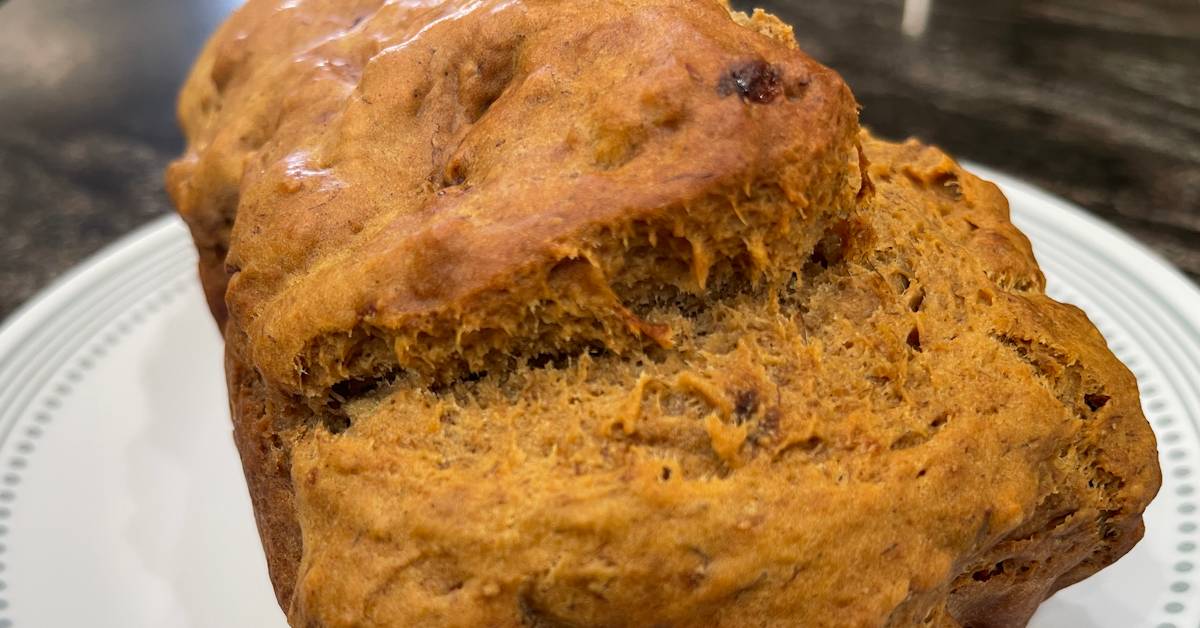
When I removed the loaf from the oven and let it cool, disaster struck. The structural integrity was completely compromised, and the bread broke apart in two separate places the exact second I pulled it out of the baking pan.
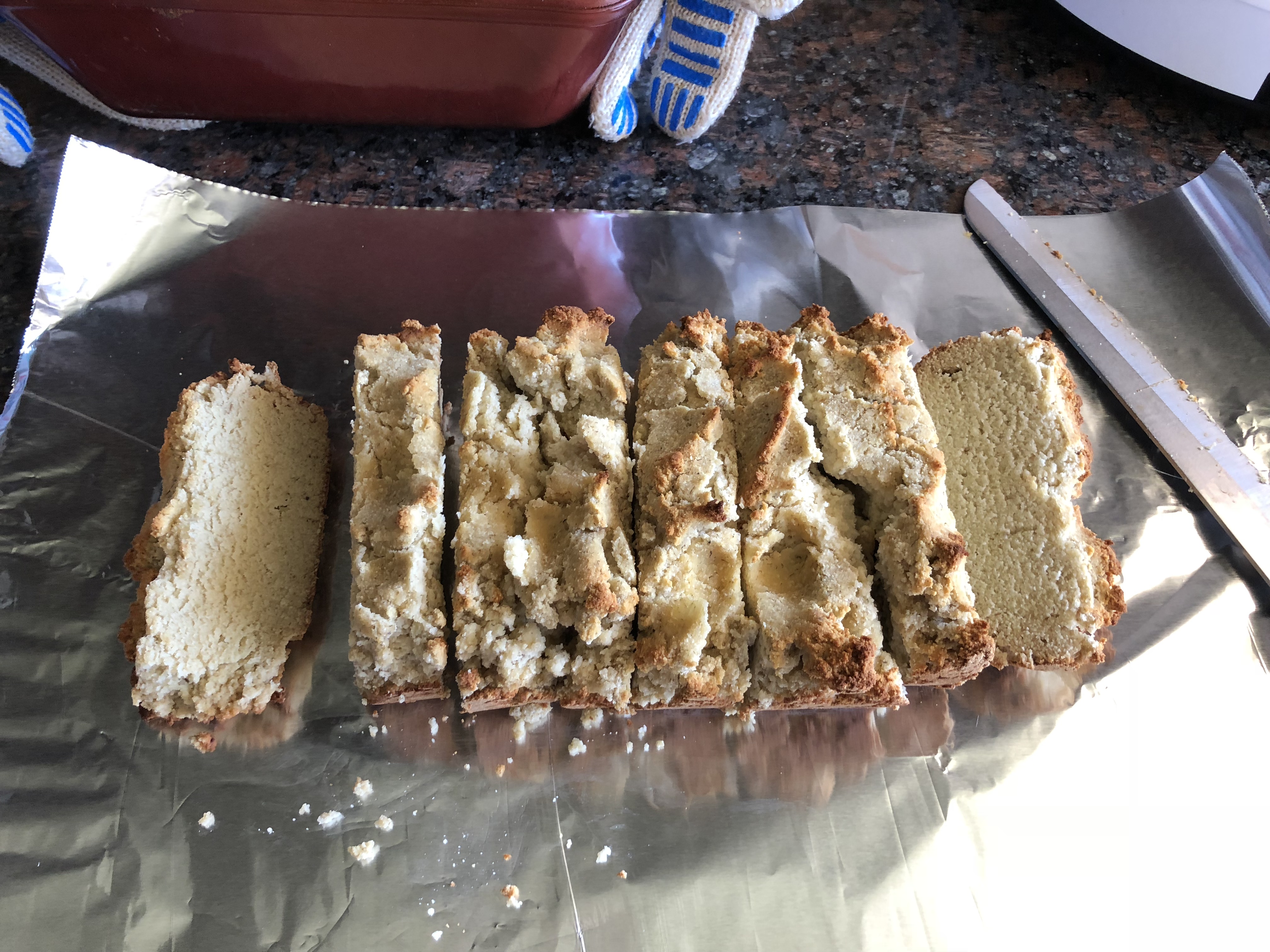
When it came time for the all-important taste test, the differences between almond flour vs coconut flour performance became glaringly obvious:
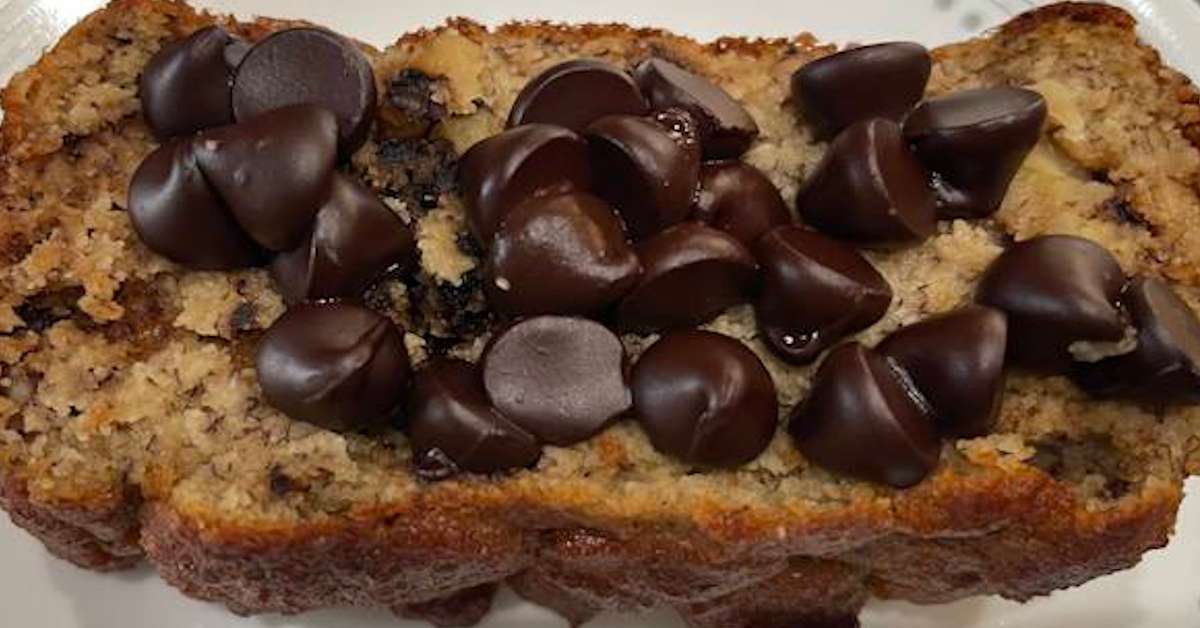
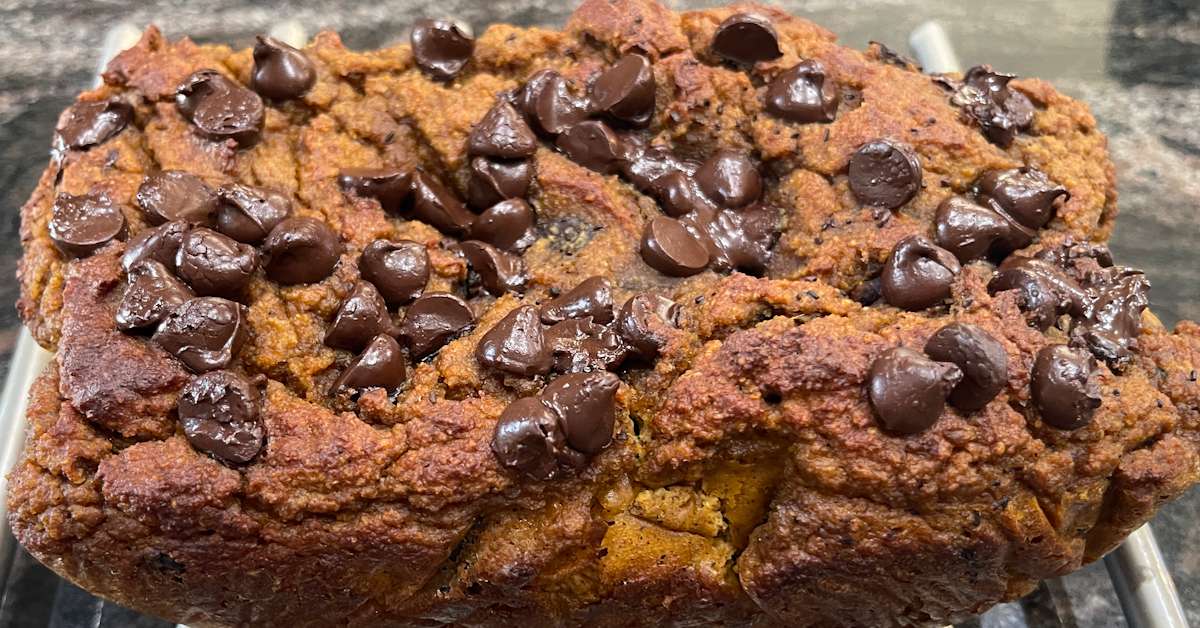
- The Appearance is Off: The loaf completely lacked the beautiful, golden-brown color and smooth, uniform texture of my traditional, all almond flour recipe.
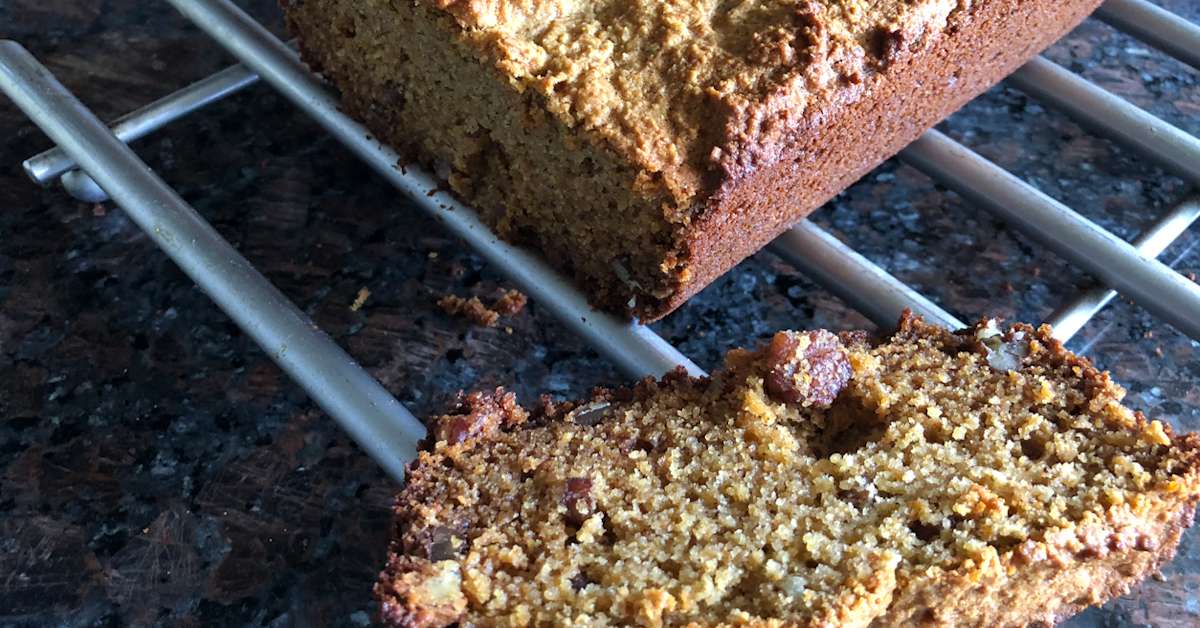
- The Texture is Grainy: Cutting into the bread revealed a brittle, dry interior. The crumb texture was distinctly grainy on the tongue, completely missing the soft, moist bite that almond flour naturally provides.
- The Sweetness is Lost: Because the coconut flour absorbed nearly all of the recipe’s natural liquids, the entire flavor profile changed. The natural sweetness of the mashed bananas was completely buried and lost inside the dense coconut fibers. It tasted significantly less sweet than the original version.
The Verdict: Stick to Almond Flour for Best Flavor
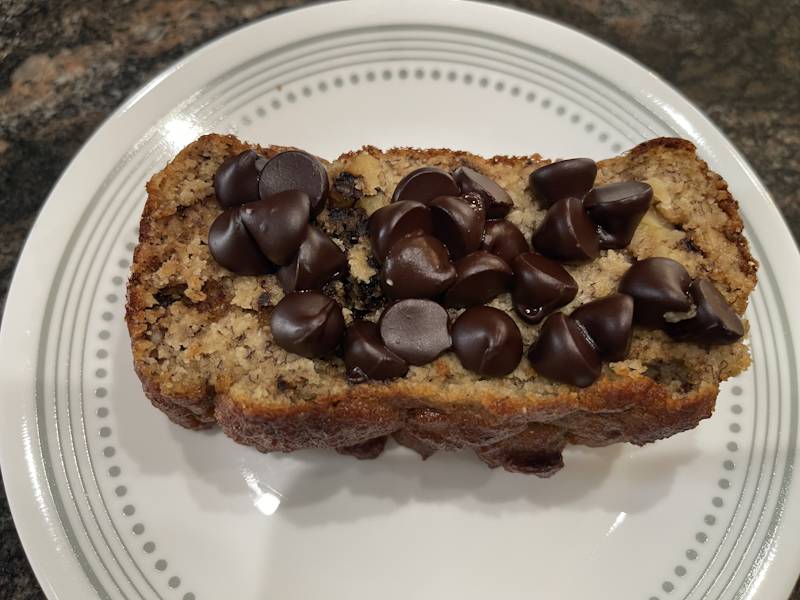
All in all, I would not recommend using coconut flour as a direct substitute for almond flour, especially in a recipe optimized for nut flours. It simply does not deliver a premium taste or texture profile. While I might look into an all coconut flour recipe in the future which would require adding an immense amount of extra eggs and liquid to counteract the dryness it will structurally always remain a bit grainier.
When looking strictly at coconut flour vs almond flour for active wellness baking, the extra calories in the almond flour version are 100% worth it for the superior taste and texture alone.
If you want a baking experience that remains as textually close to real wheat flour as possible while maintaining a rich, moist flavor profile, stick with almond flour.
📌 What to Read Next:
Fueling your body with clean, home-baked treats is a great way to stay healthy, but managing when you eat those carbs is just as important. Read our comprehensive guide on how to start intermittent fasting for beginners to learn how to clean up your metabolism, control your daily cravings, and unlock steady energy.