Eustress is the Good Type of Stress and You Need it in Your Life
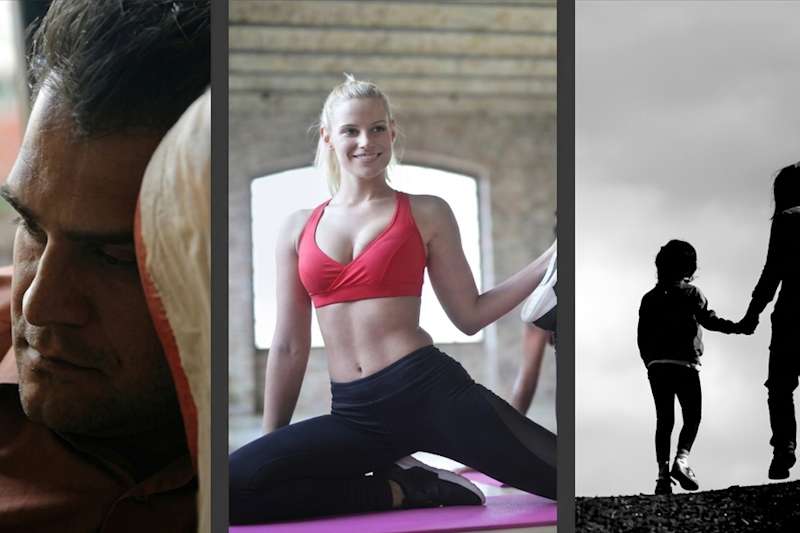
Eustress is “good stress” a positive, manageable form of tension that energizes the mind and body. It bridges the gap between boredom and overwhelm, acting as the fuel needed to tackle goals, learn new skills, and thrive under healthy pressure.
Embracing this type of stress provides several major benefits:
- Sharpened Focus: Eustress triggers short-term hormonal responses that heighten alertness, allowing you to lock into a “flow state” and perform at your highest potential.
- Enhanced Brainpower: Moderate, manageable challenges stimulate the release of neurotrophins, strengthening nerve connections in the brain to temporarily improve memory and cognitive speed.
- Boosted Immunity: Short bursts of positive stress prepare the body for potential threats, temporarily defending against illness and infection.
- Increased Motivation: It provides the excitement and drive needed to step out of your comfort zone, pursue passions, and beat procrastination.
- Built Resilience: Successfully navigating eustress builds mental and physical resilience, better equipping you to bounce back from future adversity.
Making sure you get good quality sleep each and every night, meditate to reduce stress, and direct your activities to putting good types of stress on you body is they last key to a good quality of life.
So lets talk about how you can get more of this good stress in your life.
How to Actively Cultivate and Improve Your Eustress
Stress is an inescapable part of life, but you can intentionally shift your relationship with it. Cultivating eustress the positive, motivating form of stress is not about avoiding challenges. Instead, it is about seeking the right kinds of friction that spark growth, focus, and excitement. By actively managing how you take on and perceive pressure, you can turn daily stressors into fuel for personal development.
1. Shift Your Mindset (The Power of Reframing)
The primary differentiator between eustress and distress is your perception. When faced with a challenging task, like public speaking or a tough project, your body triggers a similar physical response: a racing heart and heightened alertness. If you label this as “anxiety,” it becomes distress. If you reframe it as “excitement” or a sign that your body is priming you to perform, it transforms into eustress. View obstacles as opportunities to test your skills rather than threats to your well-being.
2. Set “Goldilocks” Goals
To experience eustress, you must consistently step out of your comfort zone, but not so far that you snap. Aim for the “Goldilocks Zone” goals that are not too easy (which causes boredom) and not too hard (which causes distress). Pursuing a target that stretches your current abilities just enough requires deep focus and effort. This optimal level of challenge triggers a state of flow, leaving you feeling invigorated and accomplished rather than drained.
3. Learn a Brand-New Skill
Nothing generates healthy, positive stress quite like being a beginner at something exciting. Pick up an activity that requires high mental or physical engagement, such as learning a new language, coding, painting, or mastering a musical instrument. The initial steep learning curve forces your brain to build new neural pathways. While it requires hard work, the incremental breakthroughs provide a powerful sense of reward and mental clarity.
4. Introduce Physical Challenges
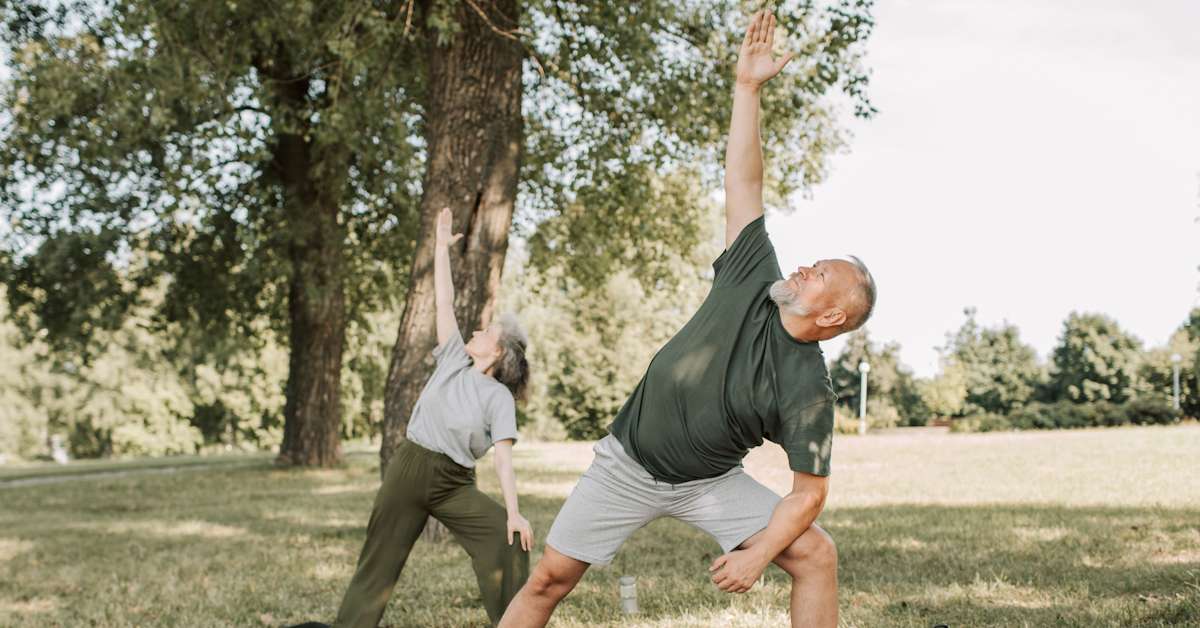
Your body adapts to physical stress in incredibly positive ways. Engaging in structured exercise like weightlifting, high-intensity interval training (HIIT), or training for a 5K race places a temporary, controlled strain on your system. This physical eustress releases endorphins, improves cognitive function, and deeply builds your overall biological resilience against chronic, negative stress.
By intentionally designing your life with the right balance of novelty, mindset shifts, and structured challenges, you can successfully harness eustress to live a more vibrant, resilient, and motivated life.
Conclusion: Embracing the Good Stress
Ultimately, improving your eustress is not about adding more chaotic pressure to your life, but rather about choosing the right kinds of challenges. By intentionally reframing your mindset, stepping slightly outside your comfort zone with “Goldilocks” goals, and pursuing fresh physical or mental hobbies, you can actively transform your relationship with stress. Instead of viewing all tension as an enemy to your health, you can begin to harness it as a powerful tool for personal growth, focus, and vitality. Start small by embracing just one new challenge today, and watch how a little bit of positive strain can completely revitalize your daily routine.
Read more about getting adequate sleep, reducing stress, and helping your body cope with life in the best possible way.
-
Examples of Amazing Body Transformations by Everyday People
Examples of Amazing Body Transformations I am on the second year after my body transformation where I lost over 80 lbs. but I am not the only one that has…
-
5 Tips to Help You Get in the Best Shape of Your Life if you Over 45
Its not till you get north of 45 and closer to the dreaded 50 year old mark that you start to take stock of your body. You look down and…
-
Self Love vs Self Awareness – no need to set goals just change and grow.
Self Love vs Self Awareness: Which One Matters More for True Growth? We live in a culture obsessed with positive reinforcement. We are constantly told to embrace our flaws, accept…
-
Do you want to be Healthy over 45: Perseverance is the KEY!
Perseverance can literally move mountains When you lose over 80lbs in a year people will take notice. And the questions start to come. The number one question I get is……
-
The Easiest Way to Start your Amazing Transformation is with a Simple Reset
Sometimes a Simple Reset is all you need to start your own amazing transformation… Lets face it, all of the things people say to get started like just do it,…
-
22 Ways To Reduce Anxiety and Live Stress Free
Want to lessen stress in your life? Use these 22 ways to reduce anxiety and watch stress melt away… 1. Learn how to meditate. Find that quiet space where you…