Snickers Candy Bar Versus Pure Protein Bar – Which is Healthier the Answer Will Surprise You
Snickers Candy Bar Versus Pure Protein Bar: Which Is Healthier?
Some of us were stair climbing the other day, talking about how “healthier” processed food options are often not actually any better for you. They are frequently repackaged with more additives, chemical stabilizers, and artificial sweeteners.
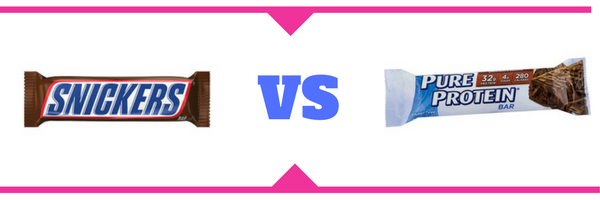
During that workout, the thought of a classic Snickers Candy Bar Versus Pure Protein Bar popped into my head. I used to eat the Chocolate Deluxe Pure Protein fitness bar religiously because I thought it was a clean, healthy option. Let’s look past the marketing, compare the raw numbers, and see which one truly comes out on top.
The Raw Macro Comparison
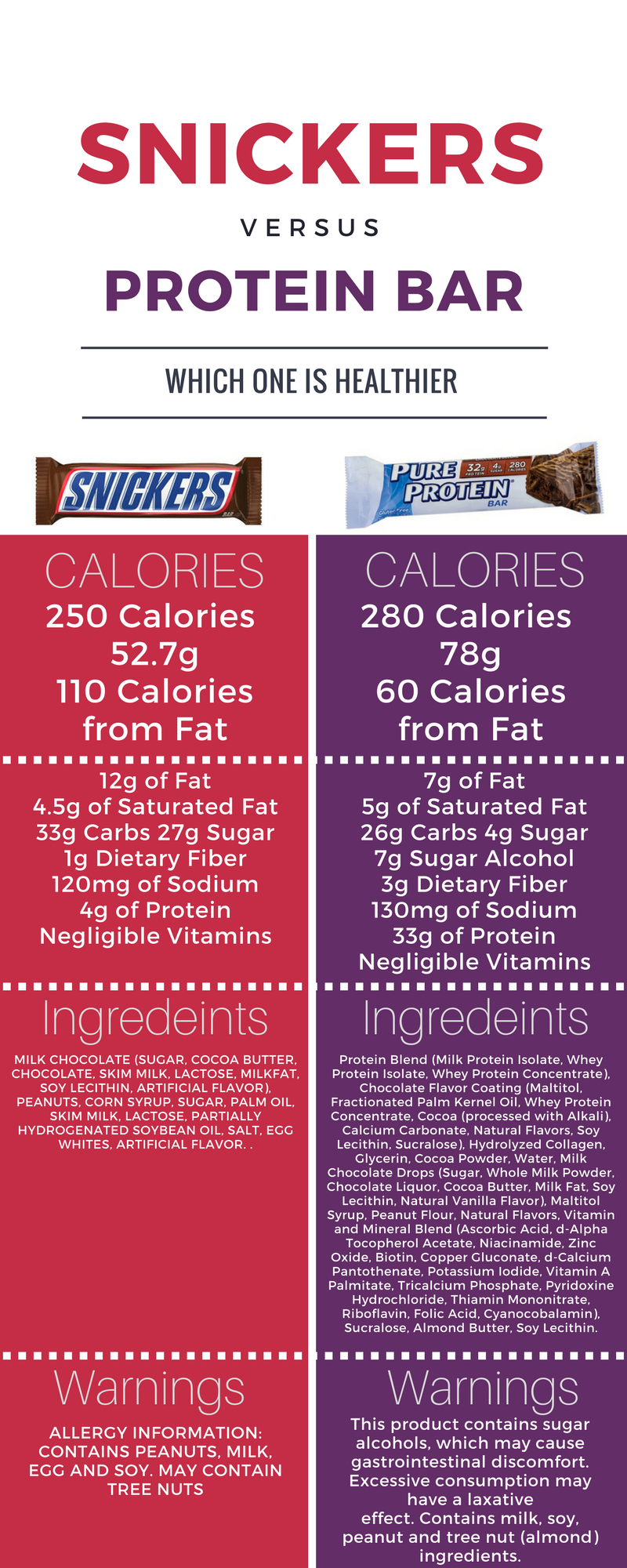
Below is the direct nutrition breakdown of a standard Snickers bar compared to the Chocolate Deluxe Pure Protein bar:
Protein Bar vs. Snickers: The Nutritional Showdown
Is a Snickers a Healthy Chocolate Option?
No, a standard Snickers bar (Snickers is a registered trademark of Mars, Inc.) is fundamentally a confectionery candy, not a health food. While it does contain a small amount of protein from the peanuts (around 4 grams), a single bar is packed with roughly 250 calories and a massive 27 grams of refined sugar. This high sugar load causes a rapid spike in blood sugar followed by a sharp energy crash, making it poor fuel for sustained athletic performance.
Is Snickers the healthiest candy bar available?
While no traditional chocolate candy bar can be classified as a health food, a Snickers bar does hold a slight edge over its direct competitors in terms of functional macros. Because it contains real peanuts, a standard Snickers provides roughly 4 grams of protein and a small dose of healthy fats.
This protein and fat content slightly slows down digestion compared to pure sugar candies like Skittles or candy corn. However, it still contains 27 grams of refined sugar, meaning it cannot truly be called “healthy” it is simply less devastating to your blood sugar than options made entirely of corn syrup.
Taste and Cravings Comparison
There is very little debate here. Nothing satisfies immediate sweet cravings quite like the combination of milk chocolate, peanuts, caramel, salt, sugar, and fat found in a Snickers. The candy bar easily wins for pure flavor execution. However, if you genuinely dislike the taste of heavy, intense sugar, the less-sweet profile of a protein bar might actually be more satisfying to your palate.
Carbohydrates and the Sugar Alcohol Trap
The carbohydrate breakdown reveals a massive hidden catch. A standard Pure Protein bar contains only 3 grams of sugar and 3 grams of fiber, but it relies on 7 grams of sugar alcohols (maltitol) to mimic sweetness. On the other hand, the Snickers bar contains a whopping 27 grams of pure, refined sugar.
While it is true that the protein bar has a lower glycemic impact, it carries a prominent manufacturing warning regarding gastrointestinal distress and potential laxative effects. From a pure digestive comfort standpoint, the natural sugars in a Snickers bar may actually be easier on a sensitive stomach during a heavy workout than processed sugar alcohols.
Furthermore, both options cause metabolic shifts that will instantly break a fast. If you are trying to manage your metabolism cleanly, you should read our comprehensive guide on how to start intermittent fasting for beginners rather than relying on processed meal replacement snacks.
Protein and Muscle Recovery Comparison
There is absolutely no competition in this category. A fitness bar is supposed to live up to its namesake. A standard Snickers has only 4 grams of protein, while the Chocolate Deluxe bar from Pure Protein delivers a massive 21 grams of muscle-building macros. If your primary goal is hitting a specific daily macro nutrient target or recovering from a workout, the protein bar wins hands down.
Sodium Content
The Snickers bar contains 120mg of sodium, which accounts for about 5% of your recommended daily allowance (RDA). The Pure Protein bar sits at an identical profile, matching that same 120mg threshold. This round results in a complete tie, as neither bar contributes an excessive amount of sodium to your daily diet.
Is a Snickers or the Protein Bar Healthier? Analyzing the Ingredients
The ultimate determinant of which bar is genuinely better for your body comes down to the raw ingredient list. This is where the marketing illusion of the fitness bar completely falls apart.
The Chemical and Additive Breakdown
The Pure Protein bar contains a significantly longer ingredient list than the Snickers bar, filled with processed chemicals, artificial binders, and emulsifiers. Furthermore, it features explicit warnings about additional allergens and notes that it is partially produced with genetic engineering.
While the Snickers bar is far from perfect containing heavily processed corn syrup and hydrogenated oils that are harmful to cardiovascular health the sheer volume of lab created additives in the fitness bar is enough to give any clean eating advocate pause.
Is a Snickers protein bar healthy for workouts?
The official Snickers Protein Bar is a hybrid product that sits right between a standard candy bar and a fitness supplement. While it successfully elevates the protein content to around 20 grams to assist with muscle recovery, it is not a clean nutrition option.
These bars are still loaded with chocolate coatings, sugar, corn syrup, and artificial stabilizers to preserve the classic taste. If your goal is strictly muscle building regardless of ingredients, it works in a pinch; if your goal is weight loss or avoiding heavily processed foods, a standard low-sugar fitness bar or whole foods are far superior choices.
The Final Verdict: Which Bar Wins?
For Pure Protein: If you are looking strictly for an efficient dose of 21 grams of protein regardless of the chemical processing it takes to make it, the Pure Protein bar serves its functional purpose.
For Clean Ingredients: When you calculate the potentially disruptive effects of heavy sugar alcohols, chemical additives, and genetic modifications, it becomes difficult to label the fitness bar as a truly “healthy” alternative.
The Takeaway: While the massive sugar content of the Snickers bar is deeply concerning, the chemical ingredient profile of the protein bar is equally problematic.
In the end, the healthiest choice is to avoid heavy sugar, highly processed foods, and genetically modified items altogether. While there is a time and place for an occasional candy bar treat, this deep dive shows that we must be incredibly careful about buying into re-packaged fitness options laden with chemical additives and warnings.
Instead of trying to find the perfect packaged snack to stave off midday hunger, a cleaner metabolic approach is to give your digestive system a complete break. Check out our breakdown on the structural health benefits of intermittent fasting to learn how to control your cravings naturally without relying on processed fitness bars.
So what do you think is a healthier option?
📌 What to Read Next: Instead of trying to find the perfect packaged snack to stave off midday hunger, a cleaner metabolic approach is to give your digestive system a complete break. Check out our beginner’s guide on the structural health benefits of intermittent fasting to learn how to control your cravings naturally.