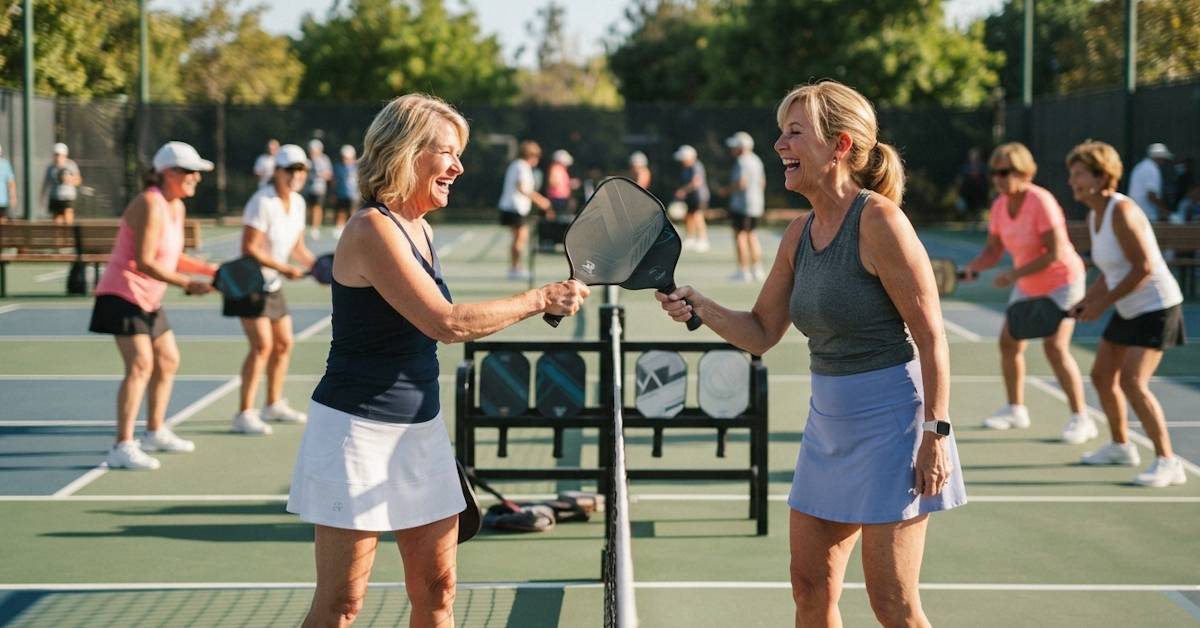
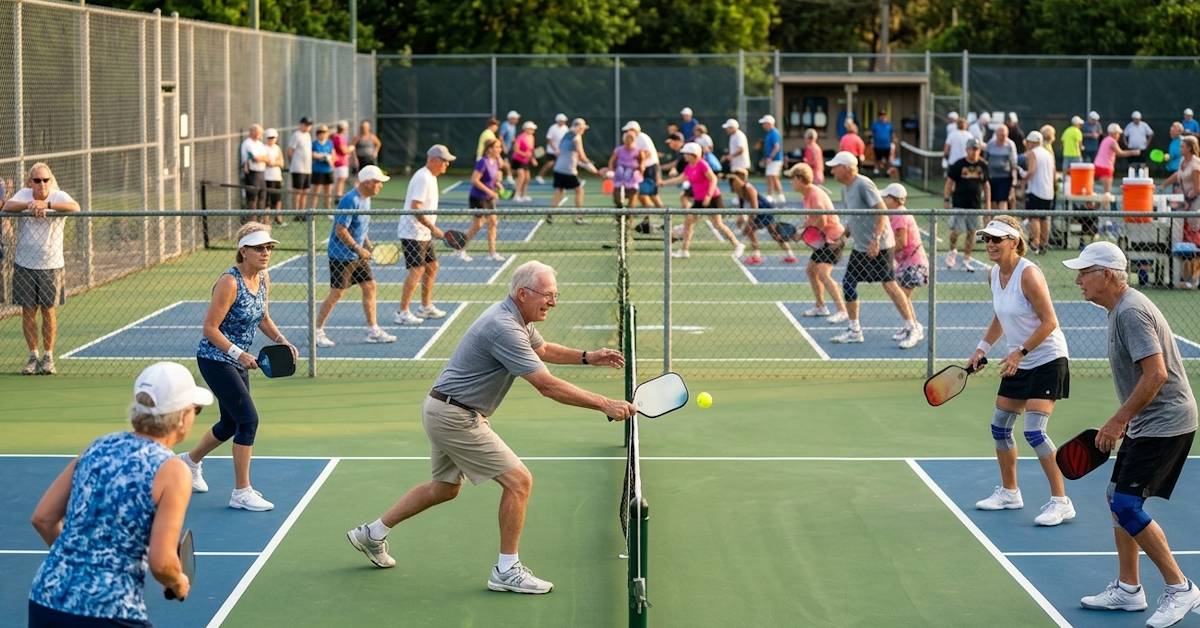
Finding Your Place in Pickleball: A Beginner’s Guide to Open Play
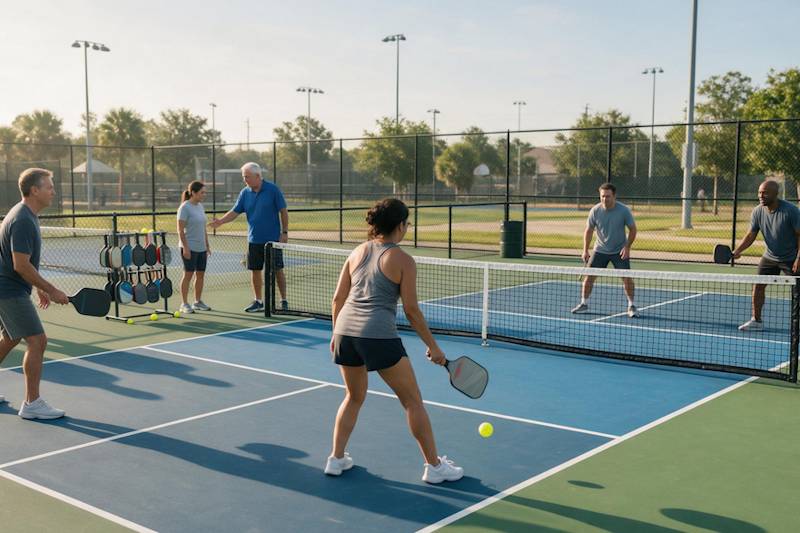
How to Find Places to Play Pickleball: A Beginner Guide
Learning how to find places to play pickleball can make starting the sport much easier. Beginners also need to know how to join open play, choose the right court, and respond when more experienced players do not want to play with them.
Every skilled pickleball player was once a beginner. And it is a shame that we are not as welcoming anymore to new players. But with the right information and a welcoming attitude, you can find courts, meet other players, and become more comfortable each time you play.
How to Find Places to Play Pickleball
Start by looking for courts and programs in your community. Many beginners can find games through:
- Public parks and recreation centers.
- Community centers, gyms, and athletic clubs.
- Local pickleball leagues and beginner clinics.
- Senior centers and community organizations.
- Neighborhood groups and social media pages.
- Pickleball court directories and scheduling apps.
- Friends, coworkers, or neighbors who already play.
When you find a possible location, check the schedule before showing up. Courts may be reserved for lessons, leagues, tournaments, or private groups. Look for terms such as “open play,” “drop in play,” “beginner play,” “recreational play,” or “challenge courts.”
If you are nervous about going alone, attend a beginner clinic or introductory session first. A structured class gives you a chance to learn basic rules, practice skills, and meet players in a setting designed for newcomers.
You can also contact the facility or group ahead of time and ask:
“I am new to pickleball and looking for beginner friendly open play. Which day and time would be best for me?”
That simple question can help you avoid showing up to an advanced session where the pace is too fast.
How to Join Pickleball Open Play
Open play generally means that players share courts rather than staying with one partner or group for the entire session. The exact system varies, so watch for a few minutes when you arrive and ask someone how it works.
Common systems include:
- Paddle rotation: Players place paddles in a rack or line, and the next group rotates onto the court.
- Four on, four off: Four people play one game, then leave the court for the next group.
- Winner stays: The winning team remains for another game, sometimes with limits on how long they can stay.
- Challenge courts: Players wait to challenge the team currently on the court.
- Skill level courts: Players choose courts marked for beginner, intermediate, or advanced play.
If you are unsure, say:
“Hi, I am new here. Could you explain how the rotation works?”
Most players will appreciate that you asked instead of guessing.
During open play, games are often played to 11 points, but the local group may use different rules. Keep your paddle ready, know when you are waiting, and pay attention to whose turn is next. If there is a paddle rack or waiting line, place your paddle where others have placed theirs.
Choosing a Pickleball Court
It is usually better to begin on a court that matches your current ability rather than trying to prove yourself against advanced players. This makes the game more enjoyable for everyone and helps you improve faster.
A beginner court is a good choice if you are still learning:
- How to keep score.
- Where to stand during serving and returning.
- How to move safely with a partner.
- How to keep the ball in play.
- Basic kitchen, fault, and out of bounds rules.
You do not need to be perfect before playing with others. However, knowing the basic rules and being able to sustain a few shots will make the experience easier.
If the available courts are not labeled by skill level, ask someone who appears approachable:
“Would this be a reasonable court for someone who has played only a few times?”
That question shows self awareness and helps you find the right fit.
How to Join a Pickleball Game
When you see an open spot, do not simply walk onto the court. Wait until the current point or game ends, then make eye contact and ask:
“Are you looking for another player?”
If the group says yes, introduce yourself briefly and mention your experience honestly:
“I am Alex. I have played three times, so I am still learning.”
This gives the other players a realistic expectation and allows them to offer useful guidance.
If all four players are already on the court, check how people are waiting. In some places, players put paddles in a rack. In others, they form a line or wait near the fence. Follow the local system rather than interrupting a game.
Pickleball Court Etiquette for Beginners
Skill matters, but attitude matters just as much. Players often prefer partners and opponents who are considerate, encouraging, and easy to work with.
A few habits make a big difference:
- Call “mine” clearly when you intend to hit the ball.
- Avoid criticizing your partner after a mistake.
- Apologize briefly if you make an error that affects play.
- Return balls to the other side when possible.
- Avoid giving unwanted coaching during a game.
- Let stronger players have difficult shots instead of trying to take every ball.
- Communicate with your partner about positioning.
- Compliment good shots, including those made by opponents.
- Keep the game moving by retrieving nearby balls quickly.
- Follow the group’s rotation and court etiquette.
You will make mistakes. That is expected. A relaxed “Sorry, I am still learning” is usually enough. You do not need to apologize repeatedly for every missed shot.
When People Do Not Want to Play With You
This is one of the hardest parts of being new. Sometimes players may decline because they are waiting for a specific partner, playing at a different skill level, or trying to practice competitively. Their decision does not necessarily mean they dislike you.
If someone says they are not looking for a game, respond simply:
“No problem. I will check with the next group.”
Avoid arguing, demanding an explanation, or assuming the rejection is personal. Find another court, ask the session organizer for help, or wait for the next rotation.
However, if the same people repeatedly exclude you, make rude comments, or refuse to explain the rotation, look for a more welcoming group. Pickleball communities vary widely. One unfriendly session should not define the sport.
You can also improve your chances by joining a beginner session, taking a lesson, or practicing with a friend. As your consistency and confidence improve, more players will naturally feel comfortable sharing the court with you.
Handling Different Pickleball Skill Levels
Pickleball often brings together players with very different abilities. A beginner may be paired with someone who has played for years, while an experienced player may be placed with a newcomer during open play.
When there is a significant skill difference, focus on keeping the ball in play and learning from the experience. You can say:
“I am working on consistency today, so I appreciate your patience.”
If the game becomes frustrating or too fast, it is reasonable to step away after the game and choose a more suitable court. Likewise, experienced players should remember that open play is shared recreational time, not a private tournament.
Beginners should not expect advanced players to provide a full lesson during every game. Experienced players should not humiliate or aggressively target a new player. Courtesy goes both ways.
When to Ask for Pickleball Coaching
Open play is usually for playing, not formal instruction. If you want technical advice, ask at an appropriate time:
“Do you have one quick suggestion for improving my return?”
One specific question is more effective than asking someone to correct everything. For more detailed help, sign up for a beginner lesson or clinic.
A lesson can help you learn foundational skills such as:
- The serve and return.
- Ready position.
- Dinking.
- Volleys.
- Court positioning.
- Moving with a partner.
- Keeping score.
- Moving toward the non volley zone.
The goal is not to become advanced immediately. It is to build enough confidence and consistency to participate comfortably.
Creating a Beginner Pickleball Group
If local open play feels too intimidating, create a small group of your own. Invite a few friends, coworkers, or neighbors who are also interested. Reserve a court if necessary and agree on a regular time.
A beginner group can provide:
- A low pressure environment.
- Repeated practice with familiar players.
- A chance to learn rules together.
- More confidence before joining larger open play sessions.
- A social connection that makes returning easier.
Once the group gains experience, members can attend organized open play together.
A Simple First Day Plan
Your first visit does not need to be complicated:
- Check the facility schedule and confirm that the session is beginner friendly.
- Arrive a little early with water, comfortable athletic clothing, and a paddle if you have one.
- Watch the rotation for a few minutes.
- Introduce yourself to the organizer or a friendly looking player.
- Ask how players enter the games.
- Join a court that matches your ability.
- Focus on safe movement, basic positioning, and keeping the ball in play.
- Thank the group and return another day.
The first session may feel awkward, but that is normal. Familiarity comes quickly once you learn the local routine.
Finding the Right Pickleball Community
The best pickleball group is not always the closest one or the most competitive one. Look for a place where players respect the rotation, welcome newcomers, and understand that people participate for different reasons.
Some players want intense competition. Others want exercise, conversation, or a reliable social activity. You may need to try several locations before finding the community that fits your goals.
Being a beginner is not a permanent identity. With regular play, a little practice, and a positive attitude, you will become more comfortable on the court. Eventually, you will be the experienced player helping someone else feel welcome.
Just Getting Started?
How to find places to play pickleball can be confusing. A great place to start is at the source of all things pickleball. Explore the basic rules, history, and official playing guidelines by visiting USA Pickleball. It is the best resource to help you build confidence on the court and master the fundamentals from day one.