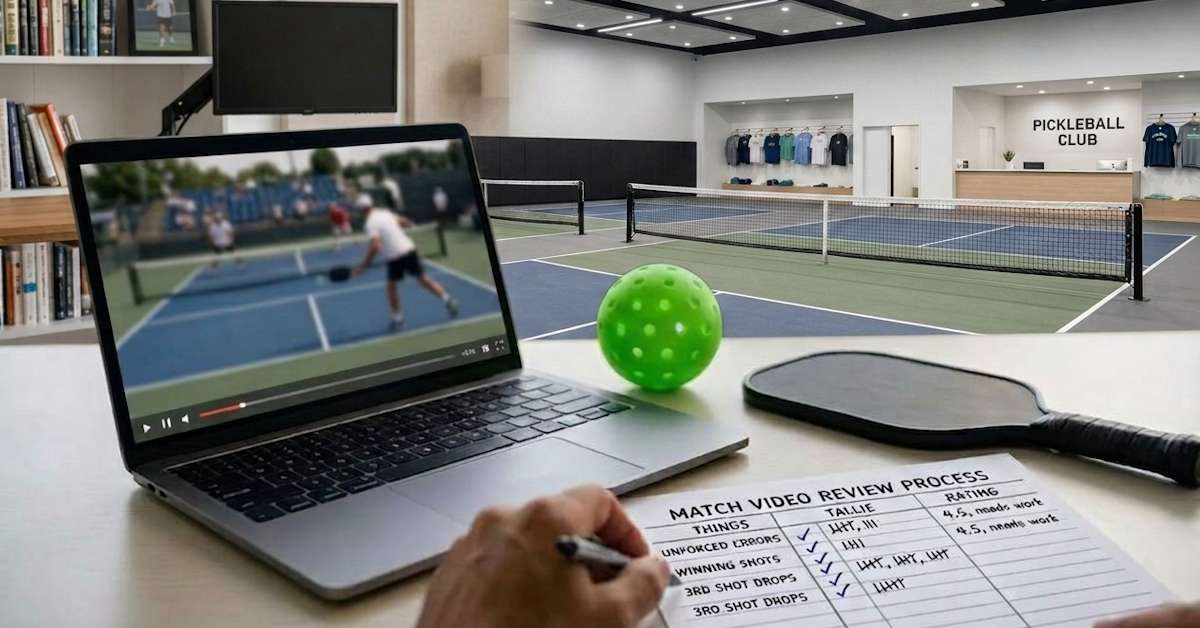
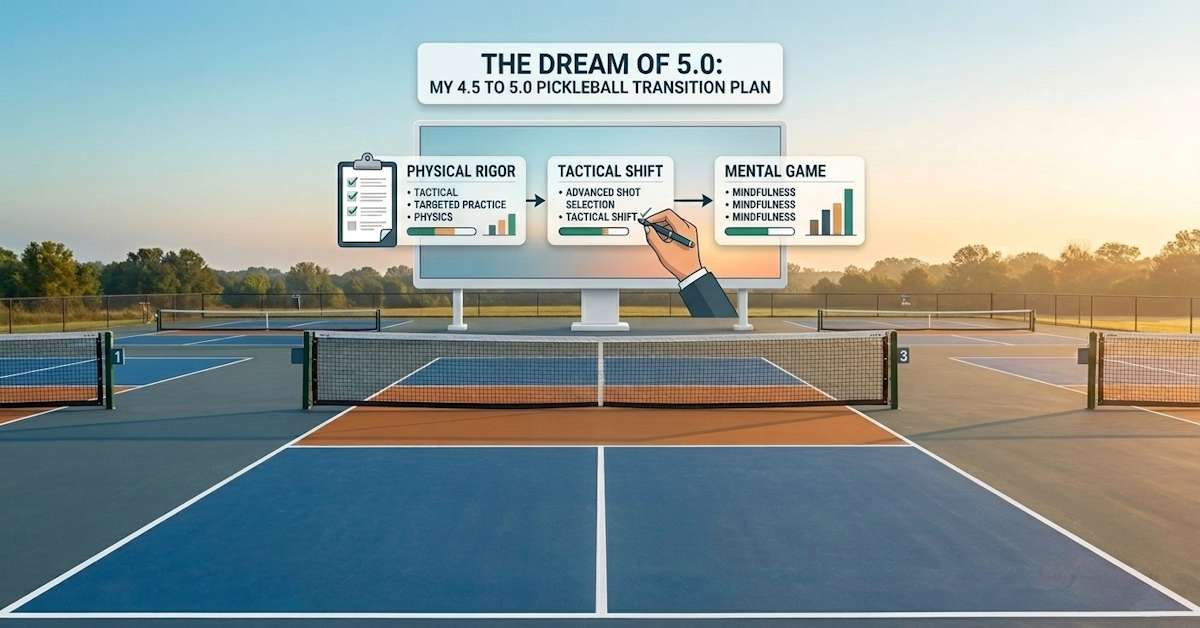
The 5.0 Illusion: Why My Gear Setup Won’t Save Me From Failure
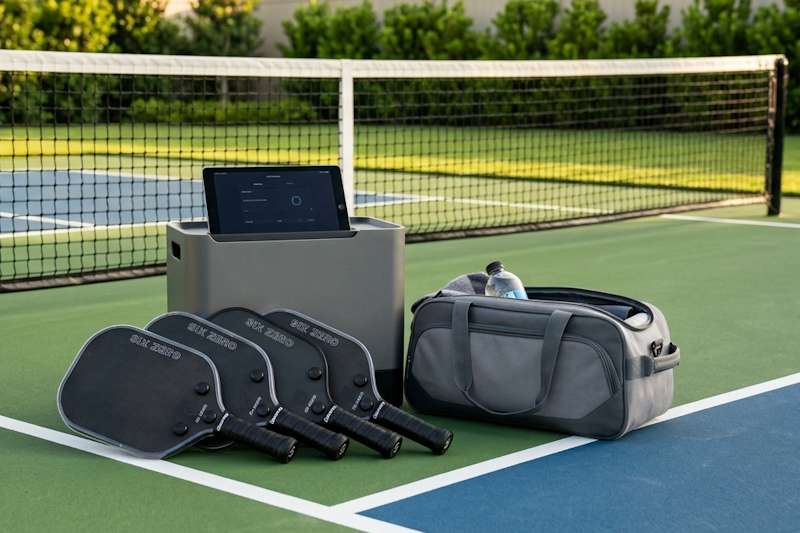
My Pickleball Level Up Gear Setup: The Path to 5.0
When refining my pickleball level up gear setup, the objective is never about marketing hype or collecting trendy equipment. It is entirely about predictability, eliminating physical variables, and maximizing training volume. You do not need an over complicated bag full of gear. You need a precise, reliable toolkit that removes distractions so your mind can focus completely on execution and strategy.
Pushing past the 4.0 level and building toward an elite 5.0 rating requires equipment that matches the physical demands of high level play while protecting the body over long sessions.
Why My Pickleball Level Up Gear Setup Prioritizes Feedback
Moving to advanced competition demands a fundamental shift in how you evaluate paddle feedback. Pure defense and soft touch are essential, but they cannot come at the expense of counters and hand speed.
The Paddle Transition: From Pure Plush to Crisp Pop
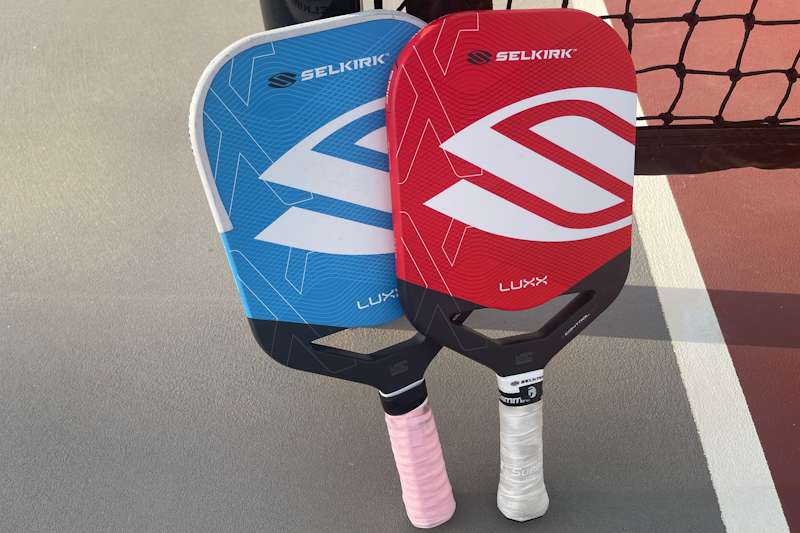
The Baseline: I previously played with the Selkirk Luxx Control Air Epic. It is an exceptionally plush, control first paddle that absorbs incoming pace effectively. However, the core repeatedly developed a crackling issue, forcing me through three warranty replacements. That durability problem sparked my search for a paddle with an upgraded foam core, identical control, and a balanced all court presence.
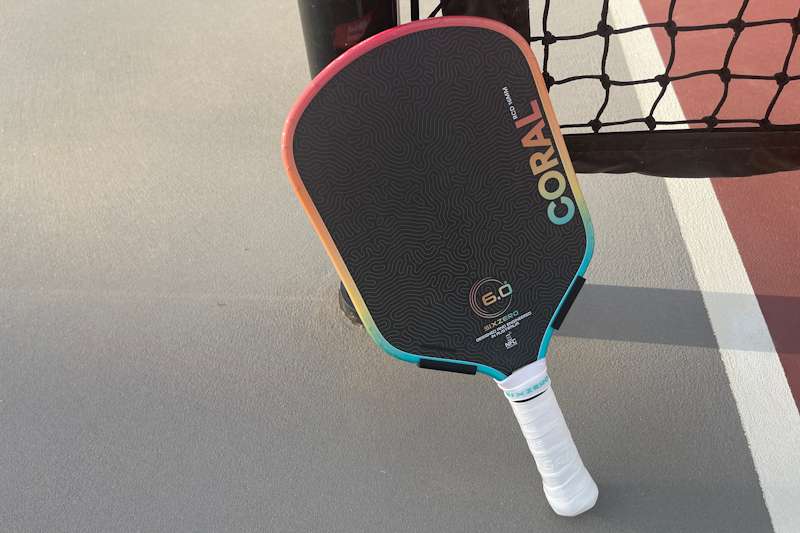
The Shift: As the speed of the game accelerates, relying solely on passive absorption becomes a liability. I transitioned to the Six Zero Coral Paddle Hybrid because I wanted a control first foundation that still delivers power on demand.
My exact configuration utilizes a Gamma overgrip, a clear edge guard protector, and four grams of movable weight placed at the yoke to fine tune the balance. To ensure absolute consistency during competitive play, I carry two to three identical paddle setups in my bag and rotate them regularly for even wear.
| Technical Metric | Selkirk Luxx Control Air Epic | Six Zero Coral Hybrid |
|---|---|---|
| Shape Type | Standard / Traditional | Hybrid (Aero-Curved) |
| Core Thickness | 19mm (Thickset Honeycomb) | 16mm (Tectonic Foam Core) |
| Static Weight | 7.9 – 8.3 oz | 8.0 – 8.3 oz |
| Swing Weight | 109 (Maneuverable) | 112 – 114 (Balanced All-Court) |
| Twist Weight | 6.6 | 6.7 |
| Dimensions | 15.85″ L x 7.85″ W | 16.3″ L x 7.5″ – 7.7″ W |
| Handle Length | 5.25″ | 5.5″ |
| Grip Circumference | 4.25″ | 4.125″ |
The Mechanical Logic of Choosing the Hybrid Shape
The hybrid paddle shape provides a critical upgrade in power and responsiveness without sacrificing touch. It offers a balanced blend of defensive ball dampening and offensive counter punching. Most importantly, it delivers crisp, predictable tactile feedback on resets while keeping hand speed quick at the non volley zone line.
Court Footwear: Eliminating Joint Strain and Instability
Footwork at higher ratings requires sudden, forceful lateral stops and directional changes. Finding the right shoe is an exhaustive process of elimination based on structural support rather than brand recognition.
I evaluated multiple major shoe brands on the court, including:
- Asics
- Skechers
- Fitville
- New Balance
- Numerous Off Brands
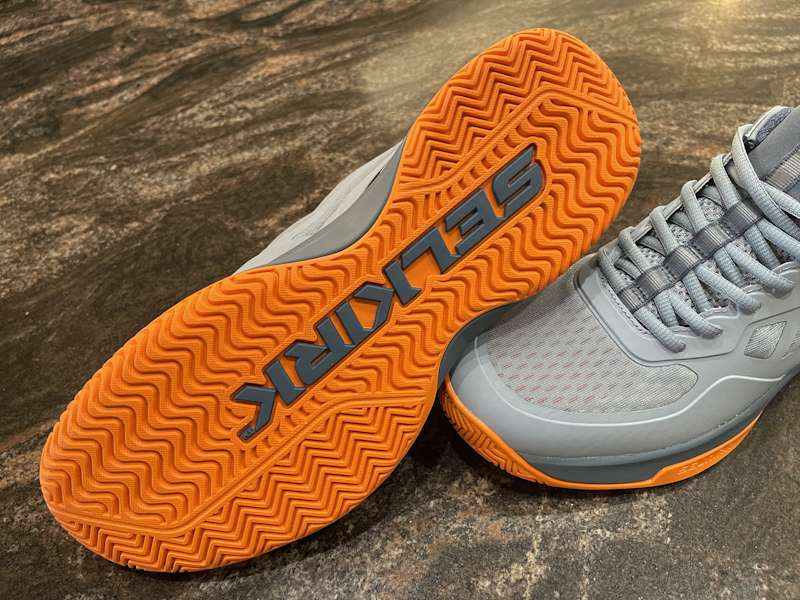
The decision came down to direct physical mechanics: torsional rigidity, lateral ankle stability, and forefoot cushioning. The best court shoe is the one you never think about during a point. Currently, the Selkirk Court Strike Pro 3.0 serves as my dedicated footwear, providing the low to the ground stability and traction needed to plant securely and push off explosively without joint strain.

The Backyard Training Lab: Controlled Repetition
High level shot execution cannot be built through open play alone. Having a dedicated backyard court provides an environment where training variables are strictly controlled and session volume can remain high.
The Foundation: Pickleball Tutor Plus
This ball machine has supplied the thousands of consistent repetitions required to lock in muscle memory, refine stroke mechanics, and build calm hands under pressure. However, its manual adjustment dials make it notoriously difficult to dial in between sessions. While it is perfect for a beginner or intermediate player who simply needs the exact same shot fed repeatedly, having to manually recalibrate the settings for distinct drilling sequences makes it highly inefficient for advanced, multi shot training.
The Next Upgrade: Titan Ball Machine or New AI Trainers
Simple, repetitive ball feeds eventually hit a point of diminishing returns. Progressing toward a 5.0 level requires simulating dynamic, unpredictable court situations. Upgrading to an advanced, programmable unit like the Titan allows for erratic spin variations, sudden velocity shifts, and randomized directional feeds.
This intentional chaos trains the nervous system to handle erratic play and overcome mental fatigue in real time. Mechanically, it utilizes a dedicated app to seamlessly cycle through real play drills, and it can even be controlled directly from an Apple Watch.
Beyond programmable machines, the horizon includes new AI player-tracking trainers that follow your movement to provide seamless, full court simulated play. However, as an analytical trainer, the critical question is durability: Is the current hardware robust enough to last?
Component repairs are costly, and the integration of consumer level AI is still in its infancy, meaning the technology may not quite match the marketing promises just yet.
Conclusion and Next Level Up Gear Requirements
At the end of the day, I have to ask myself the hard question: will this gear setup actually carry me to a 5.0 rating, or will it cause me to fail?
The honest, unfiltered answer is that this gear will not, by itself, push me across the 5.0 finish line. A paddle does not read an opponent’s shoulder turn, shoes do not execute the split step automatically, and a ball machine cannot teach court composure when sitting at 9-9 in a decisive third game. If I fail to reach 5.0, it will not be because my paddle lacked power or my footwear lacked grip it will be because my decision making broke down under fatigue or my mental discipline slipped during high leverage points.
What this dialed in setup does do is strip away every single mechanical excuse.
Stripping Away the Variables: My 5.0 Journey First Step Takeaways
- Zero Gear Doubt: By building identical paddle setups with four grams of yoke weight, a Gamma grip, and an edge guard, I know that every missed reset or floating dink is entirely on my mechanics. There is no mystery dead spot, no core crackle, and no equipment variance to blame.
- Physical Longevity: Testing court shoes down to the millimeter was never about brand prestige; it was about protecting my joints so I can step onto the court repeatedly without lingering knee strain or ankle instability.
- Pure Training Volume: My backyard court and ball machine are an isolation chamber. They provide the quiet repetition required to automate my strokes before taking them into live play.
The Next Gear Steps on My Horizon
Because this setup is an evolving system, my equipment path forward focuses entirely on automation and smarter stress testing:
- Upgrading to Smart Ball Automation: Phasing out the manual dials of the Pickleball Tutor Plus for a programmable machine like the Titan. The goal is to program unpredictable, multi-shot kitchen scrambles that challenge my reaction time without manual adjustment friction.
- Monitoring AI Tracking Tech: Keeping a close eye on next generation AI player tracking trainers, waiting for hardware durability and software reliability to prove themselves before making a major training investment.
- Standardizing Maintenance Protocols: Continuing to rotate and inspect my identical setups for uniform wear, ensuring that match play introduces zero technical surprises.
Equipment will never substitute for court discipline or purposeful repetition, but the right setup ensures that when you step onto the court, nothing stands between your preparation and your execution. The gear has done its job. The rest is entirely on me.