The Footwork Insurance Policy: A Selkirk Courtstrike Pro 3.0 Review and 5-Brand Outsole Showdown
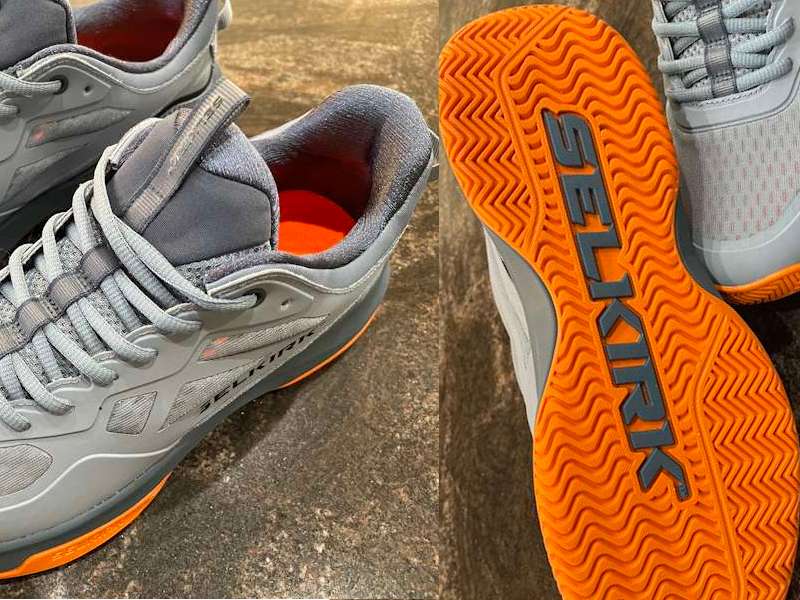
The Hidden Mental Tax of Balding Court Shoes
For advanced pickleball players, the hidden mental tax of worn out court shoes causes a subtle, subconscious hesitation that ruins performance. When you are fighting to break past that 4.0 wall, every split second delay matters. If your mind is worried about slipping, rolling an ankle, or burning through another expensive pair of sneakers, you will yield the kitchen line. Welcome to our deep dive Selkirk Courtstrike Pro 3.0 review, where we analyze how specialized footwear completely eliminates gear anxiety and helps you move at maximum capacity on every single rally.
True court dominance requires total psychological certainty. You cannot execute aggressive third shot resets or fly across the court to cover the middle if you do not trust your connection to the court. Advanced play demands specialized footwear that completely removes gear anxiety, allowing you to move at maximum capacity on every single rally.
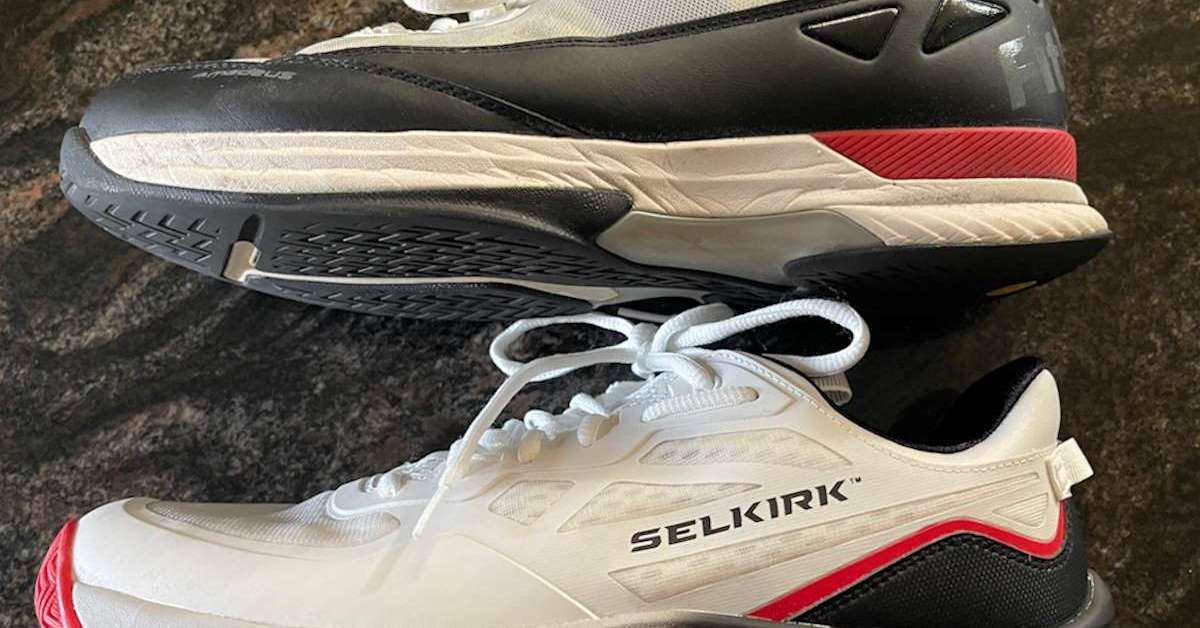
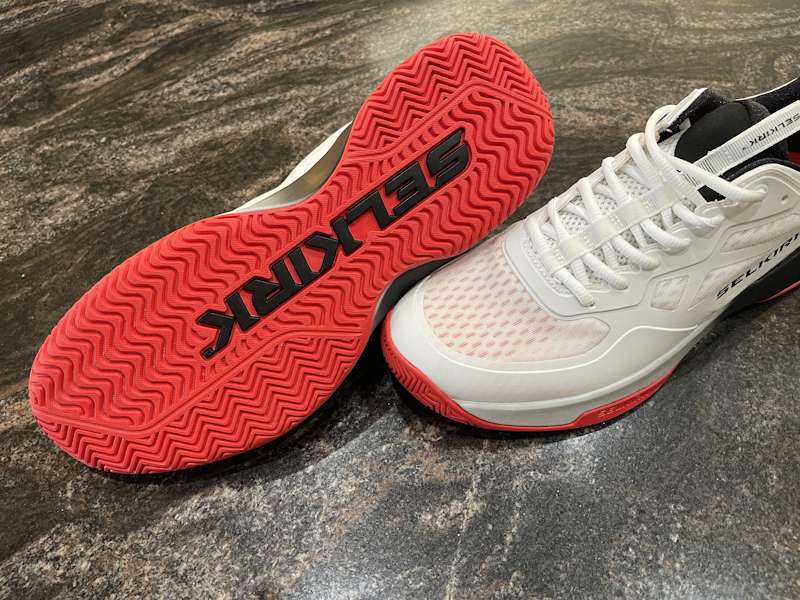
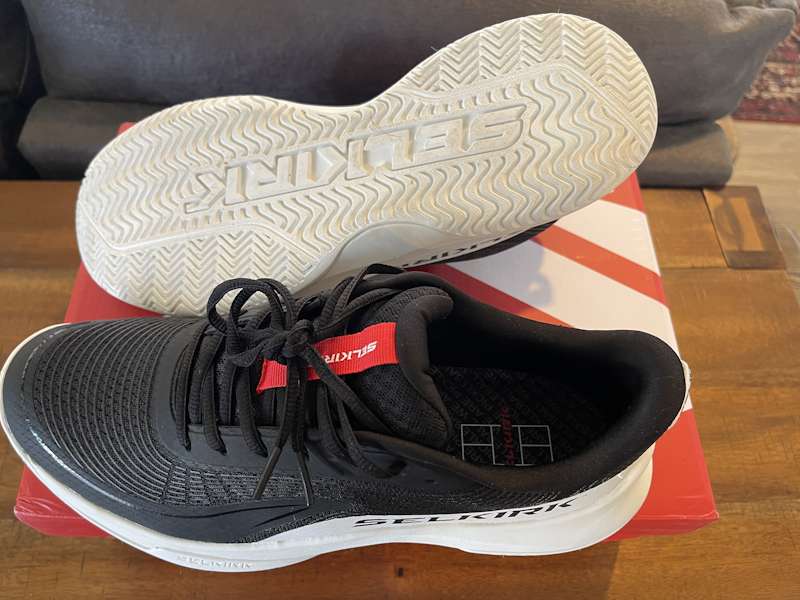 Brand New Shoes
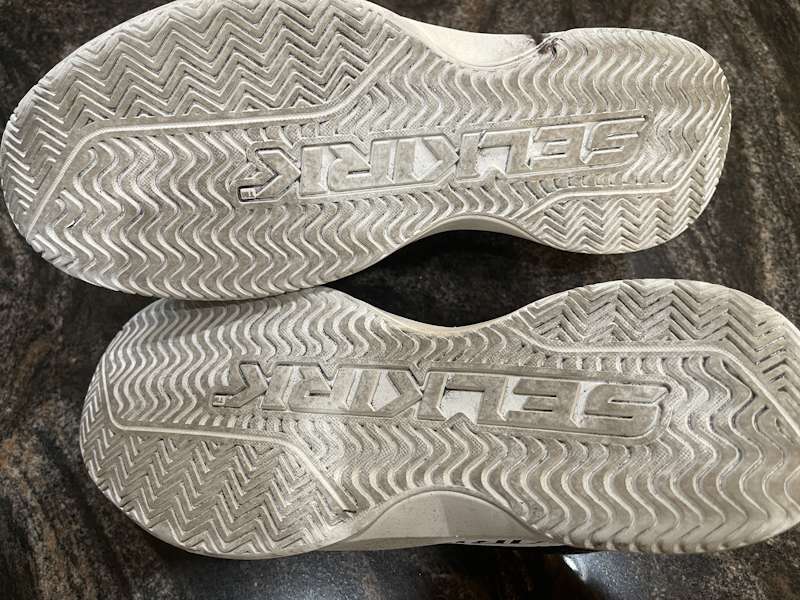 Sole Wear After 3 Months
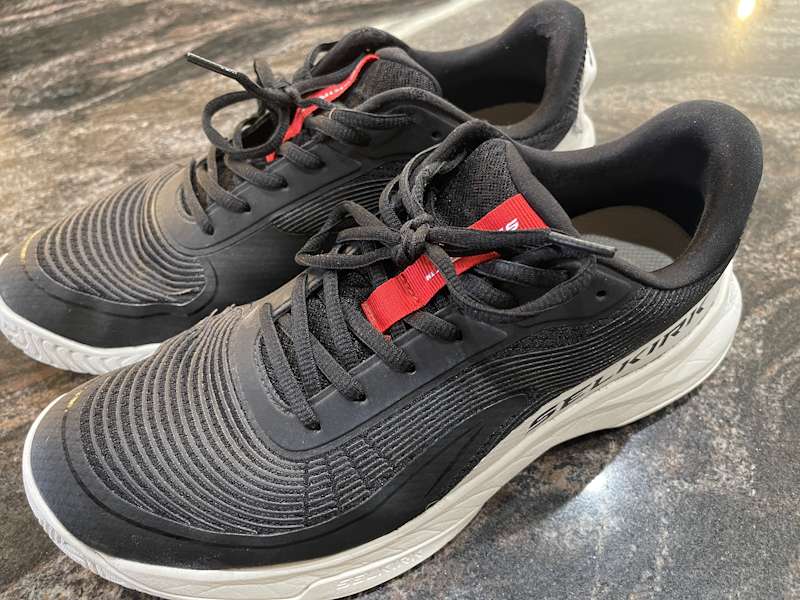 Shoes after 6 Months
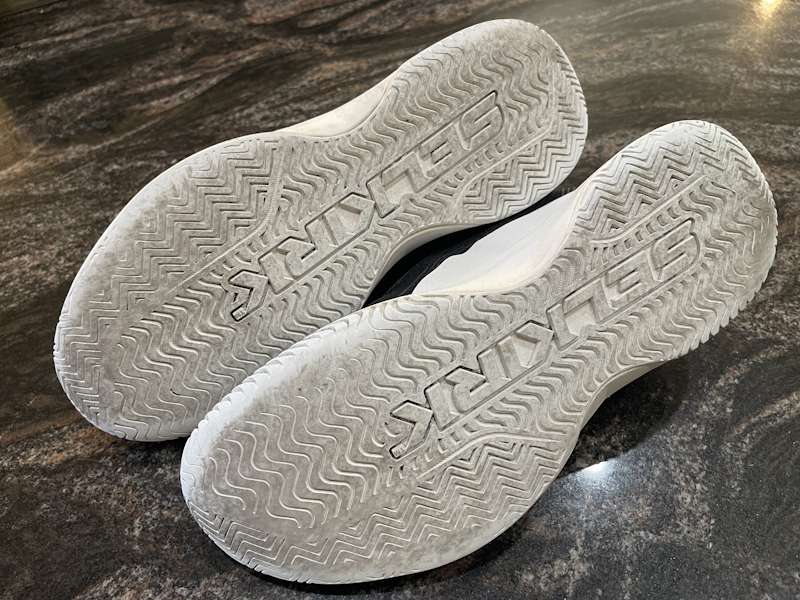 Sole Wear after 6 Months
The Origin Story: How the Courtstrike Pro 2.0 Proved Itself
My journey to trusting this lineup started long before the new model dropped. Like most advanced players, I spent years cycling through almost every major footwear brand on the market. I would buy a high end pair of tennis shoes, play hard for two or three months, and watch the tread bald out completely. The financial cost was annoying, but the loss of traction was dangerous.
That cycle stopped when I bought a pair of the Selkirk Courtstrike Pro 2.0 shoes.
I put those shoes through absolute hell on rough public concrete and high-friction backyard courts. To my surprise, the rubber outsole consistently outlasted every single brand I had ever owned. Even after months of aggressive lateral cutting and hard kitchen plants, the traction bite remained intact. That real-world durability is exactly why I was so eager to see if the new 3.0 version could match its predecessor.
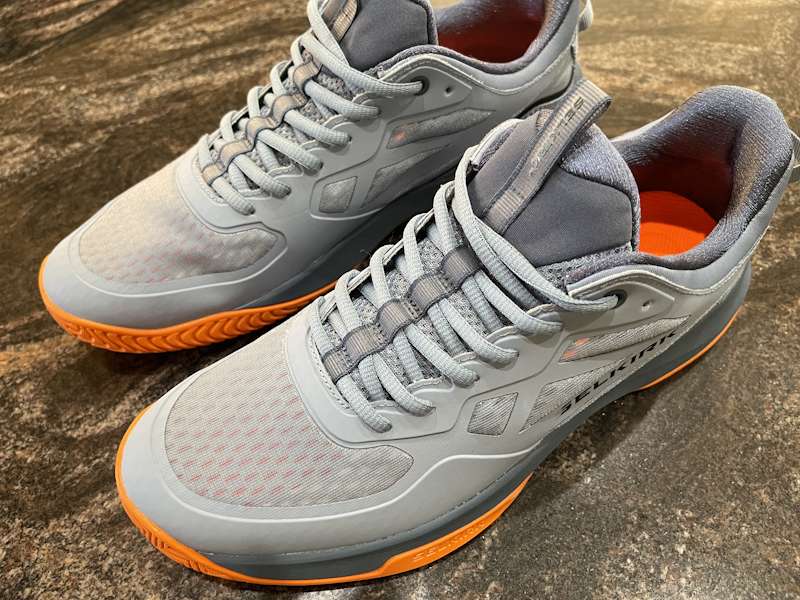
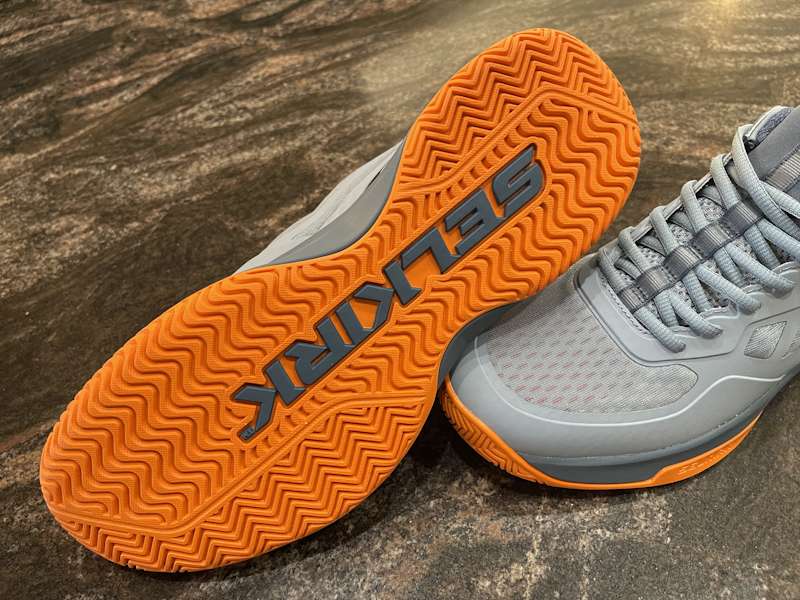
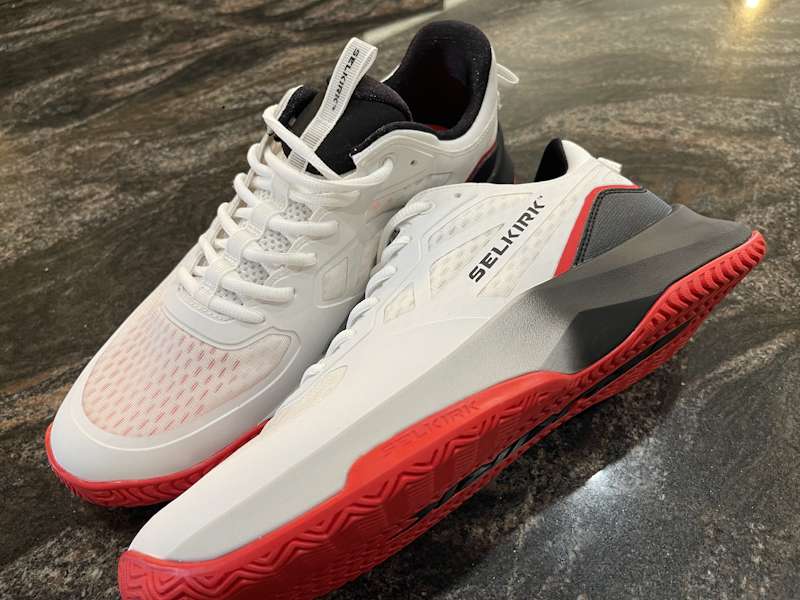
Selkirk Courtstrike Pro 3.0 Review: Is the Upgrade Worth It?
To break past the 4.0 wall, your hardware has to keep pace with your reaction time. The Selkirk Courtstrike Pro 3.0 handles the physical and mental demands of advanced play by completely redesigning the relationship between shoe weight and stability.
While the previous version prioritized pure tank-like durability, the Selkirk Courtstrike Pro 3.0 introduces a brand new lightweight mesh upper weave and a ventilated, die-cut insole board. This reduces the physical weight to 13.0 ounces (Men’s Size 9) while massively increasing cooling airflow during exhausting summer matches.
The 4-Way Grip Outsole Mechanics
The foundation of this shoe is the signature Selkirk 4-Way Grip outsole. Traditional tennis shoes rely on standard linear herringbone patterns, but pickleball demands continuous lateral cutting and rapid open-stance braking. Selkirk utilizes an upgraded abrasion resistant rubber compound featuring a multi-directional tread pattern and a prominent outsole outrigger.
During high-speed kitchen exchanges, this outrigger acts as a physical barrier against ankle rolling. When combined with the high-rebound EVA PureFoam midsole and a rigid midfoot TPU shank, the shoe absorbs maximum court impact while snapping back instantly. This structural rigidity gives advanced players the confidence to explode off their plant foot without a single micro-moment of structural lag.
The Comfort Evolution: Courtstrike Pro 2.0 vs. 3.0 Toe Box Mechanics
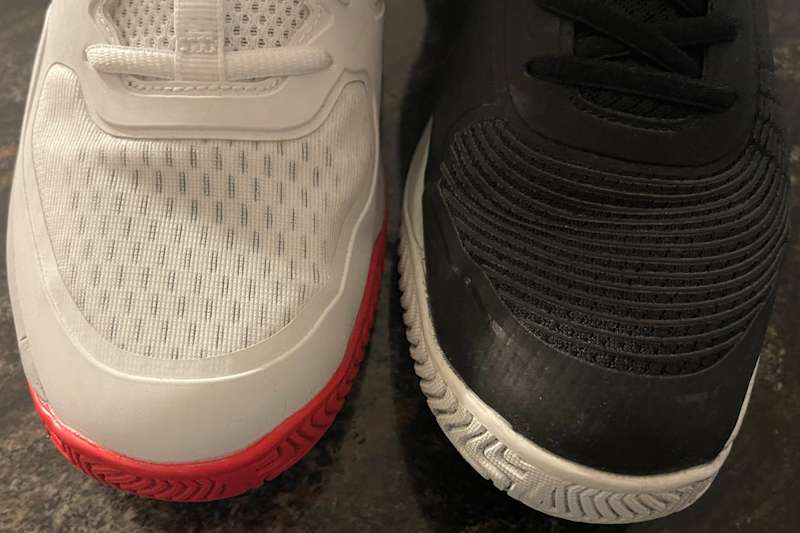
While the upgrade to the Selkirk Courtstrike Pro 3.0 brings exceptional advancements in speed and breathability, it introduces a significant shift in fit that directly impacts long term playing comfort compared to the Courtstrike Pro 2.0. Understanding this structural change is critical for players who prioritize foot freedom during exhausting multi-hour sessions.
The Shift from Raw Volume to Restrictive Venting
The Selkirk Courtstrike Pro 2.0 was highly praised by advanced players for its accommodating, slightly wider toe box. It provided ample raw volume, allowing the forefoot to settle naturally without rubbing or squeezing.
In the Courtstrike Pro 3.0 model, Selkirk introduced an upgraded, highly ventilated mesh upper weave to combat heat buildup. To maintain structural integrity around these new open breathability zones, engineers wrapped the venting patches in rigid, reinforcement rubber. This structural framing creates a tighter, less forgiving perimeter across the top of the forefoot. Instead of flexing openly, the reinforced rubber restricts the toe box, actively squeezing the toes inward and limiting natural foot expansion.
The Biomechanics of Forefoot Freedom
In high intensity pickleball, a comfortable, spacious toe box is not just about avoiding blisters it is a foundational requirement for athletic longevity.
- Natural Toe Splay: When you plant heavily at the kitchen line, your toes need to spread apart naturally to distribute your body weight and absorb kinetic impact.
- Balance and Traction: Splaying your toes increases the surface area of your foot, giving you a wider baseline for lateral balance and explosive change-of-direction cuts.
- Circulation and Nerve Relief: Constant squeezing compresses the metatarsal bones, restricting blood flow and irritating peripheral nerves during repetitive, hard-stopping motions.
The Cost of Restricting the Forefoot: Fatigue and Heavy Leg Syndrome
When footwear restricts the natural mechanics of the foot, the physiological tax moves upward through your legs. Squeezing the toes prevents the foot’s natural shock absorption system from working correctly. This forces the muscles in your arches, ankles, and calves to work twice as hard to stabilize your balance.
Over a multi-game session, this constant micro-strain accelerates muscular fatigue. Players will experience a premature onset of “heavy leg syndrome,” where the lower limbs feel sluggish, unresponsive, and weighed down. This structural lag directly compromises your reaction time, causing a subtle hesitation that can drop you below your peak competitive performance. For players transitioning from the Courtstrike Pro 2.0 to the Courtstrike Pro 3.0, sizing up a half size may be necessary to reclaim that essential forefoot freedom.
The Upper Toe Box Squeeze: Why Changing Insoles Won’t Fix It
When encountering a cramped forefoot, a player’s first instinct is often to swap out the standard factory insoles for a thinner aftermarket alternative to drop the foot lower and clear out space. However, real-world testing proves that switching insoles does absolutely nothing to fix the Courtstrike Pro 3.0’s toe pinch.
This is because the problem is not a lack of vertical depth under the foot. Instead, it is an architectural bottleneck caused entirely by the perimeter of the upper mesh. Because the rigid, protective rubber framing around the new ventilation zones cannot stretch or yield, it creates a fixed physical boundary. No matter how thin your insole is, that tight horizontal rubber band remains unchanged, continually crushing the toes together. For true Courtstrike Pro 2.0 fans, this structural limitation makes the Courtstrike Pro 3.0 a permanent compromise in comfort that cannot be bypassed with simple gear modifications.
Final Buying Verdict for Wide-Footed Players
If you have exceptionally wide feet, frequently struggle with forefoot pressure, or strictly prefer the roomy feel of the older Courtstrike Pro 2.0 model, you will want to carefully consider if the Selkirk Courtstrike Pro 3.0 fits your foot shape.
While the 6 month outsole warranty offers undeniable value, the tighter toe box is a noticeable shift. While it is not a complete deal breaker for average feet, that reinforced perimeter rubber will not stretch out over time, and a quick insole swap will not change the horizontal profile.
If you require a truly spacious toe box, look toward specialized wide alternatives like the FitVille Amadeus for casual play. However, if you have standard width feet and prioritize elite lateral containment and ironclad outsole durability, the Courtstrike Pro 3.0 remains an excellent, high performance investment for competitive play.
PERSONAL NOTE: I have a wide foot, and enjoy a wide toe box. The Courtstrike Pro 2.0 show had just the right size toe box, maybe even a little bit snug. When I upgraded to the Courtstrike Pro 3.0 I found that the toe box was a little tight. Since I used the lace method below I have gained a little more comfort and can wear the shoes during a full 2 hour pickleball session.
💡 QUICK TIP: THE “BROAD BASE” LACING METHOD
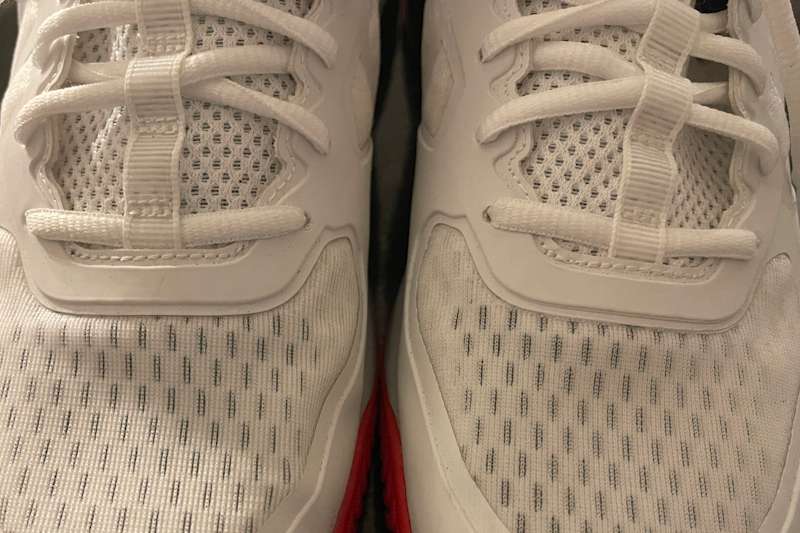
If you notice a horizontal pinch across your toes in the Courtstrike Pro 3.0, you can alleviate upper pressure by switching to a Broad Base lacing pattern. Since a thinner insole cannot widen the stiff perimeter rubber, changing how you lace the first eyelets is the most effective way to encourage the upper mesh to flex outward.
How to configure it:
- Step 1: Unlace your shoes down to the very first set of eyelets closest to your toes.
- Step 2: Instead of crossing the laces over to form an “X”, thread each side straight up vertically into the second eyelet on that exact same side.
- Step 3: From the second eyelet upward, resume your standard diagonal crisscross pattern to the top.
By skipping the first diagonal cross, you eliminate downward tension directly over the reinforced rubber border. This allows the forefoot upper to bow outward naturally, giving your toes vital breathing room without sacrificing the shoe’s elite heel lockdown.
Loosening the lacing at the front allows the upper material to flex outward during hard stops, which provides relief from toe pinch but may slightly reduce forefoot containment during aggressive lateral cuts. If lateral sliding occurs, tightening the laces from the third eyelet upward ensures proper mid-foot lock down.
⚠️ NOTE ON LATERAL LOCKDOWN PERFORMANCE
Utilizing alternative lacing patterns like the Broad Base method to ease toe pressure changes the tension dynamics across your forefoot. While this provides immediate relief from upper pinch during forward movements, it can slightly decrease structural containment during aggressive side to side cuts. If you notice your foot sliding over the foot bed during intense baseline rallies, ensure your laces are pulled completely taut starting from the third eyelet upward. This isolated tightness maintains a locked in mid-foot and stable heel pocket while keeping the toe box relaxed.
How the Selkirk 6-Month Sole Warranty Works
The Selkirk 6-Month Sole Warranty: Quick Facts
- The Rule: If you wear a hole completely through the rubber outsole to expose the midsole material within 180 days of purchase, you qualify for a free replacement pair.
- The Limit: The warranty is valid for a one-time replacement pair per original retail purchase.
- What’s Excluded: Normal wear on the upper mesh, dragging scuffs on the front toe bumper, or minor cosmetic damages do not qualify.
- How to File: You must register your purchase and submit photos of the damage directly through the official Selkirk Warranty Portal.
The defining feature for advanced players is the inclusion of the official Selkirk 6-Month Sole Warranty.
Hard charging players often burn through premium court traction in less than ninety days, creating a costly financial and mental burden. Selkirk eliminates this gear doubt with a straightforward consumer promise.
If you grind the rubber outsole down to the underlying midsole within 180 days of your purchase date, Selkirk will issue a one-time free replacement pair.
Keep in mind that this specific warranty applies strictly to the rubber outsole itself. Standard upper wear, cosmetic scuffs, or scraping on the front toe bumper will not qualify for a claim.
Knowing that your rubber is completely covered for a full six months removes the subconscious urge to spare your shoes, freeing your mind to focus entirely on tactical execution.
The Showdown: Outsole Durability vs. 4 Major Footwear Brands
Advanced pickleball forces players to make a choice between comfort, width, and outright rubber durability. To see if the Selkirk Courtstrike Pro 3.0 holds its ground, we compared its outsole performance and warranty backing directly against four major industry competitors.
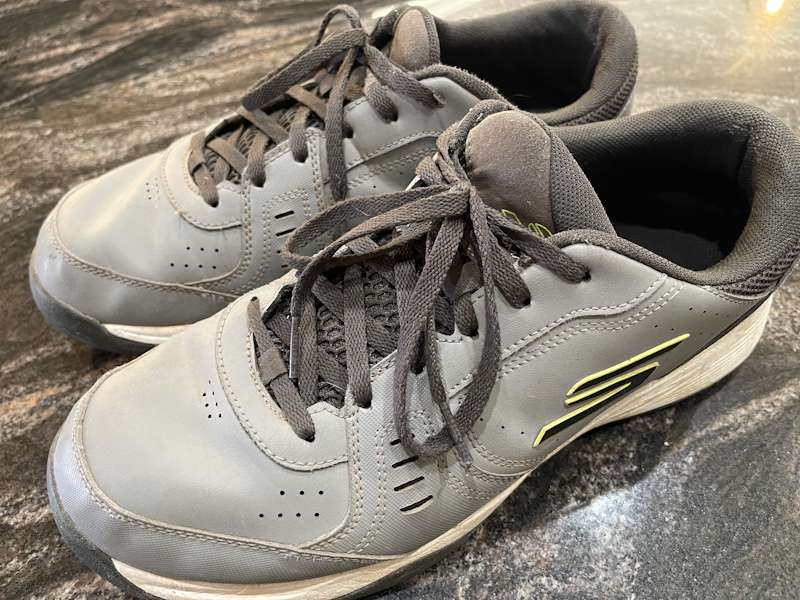 Skechers Viper Court Smash after 6 Months Use
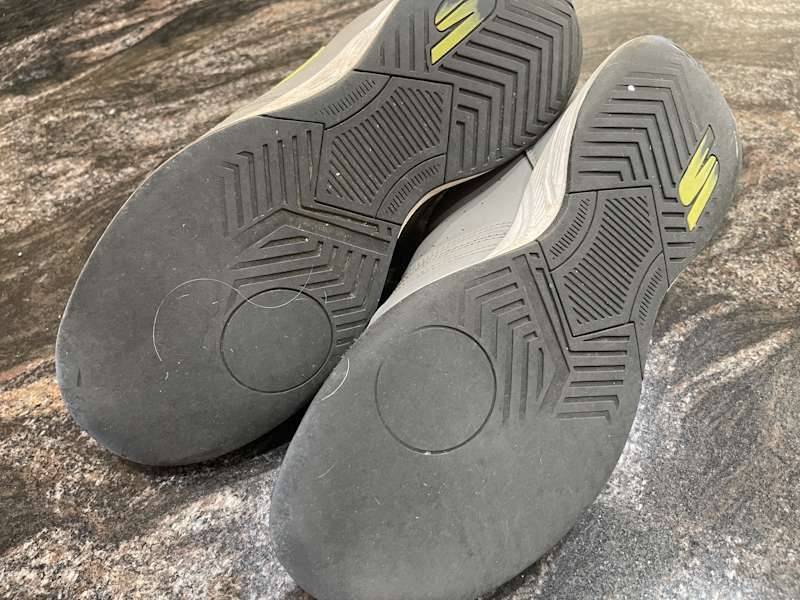 Skechers Viper Court Smash Soles after 6 Months Use
Skechers vs. Selkirk Courtstrike Pro 3.0
The Skechers Men’s Viper Court Smash is a lightweight, machine washable option featuring a roomy, Relaxed Fit and soft ULTRA FLIGHT cushioning. Unlike the performance oriented Selkirk Courtstrike Pro 3.0, the budget-friendly Viper Court Smash uses a generic synthetic outsole that lacks the heavy duty, abrasion resistant durability required for aggressive play. Furthermore, the Viper Court Smash does not offer a warranty, whereas the Courtstrike Pro 3.0 is backed by a 6-month sole warranty, making the latter a better choice for intense, high-level, or 4.0+ pickleball play. For more details, visit Skechers.com.
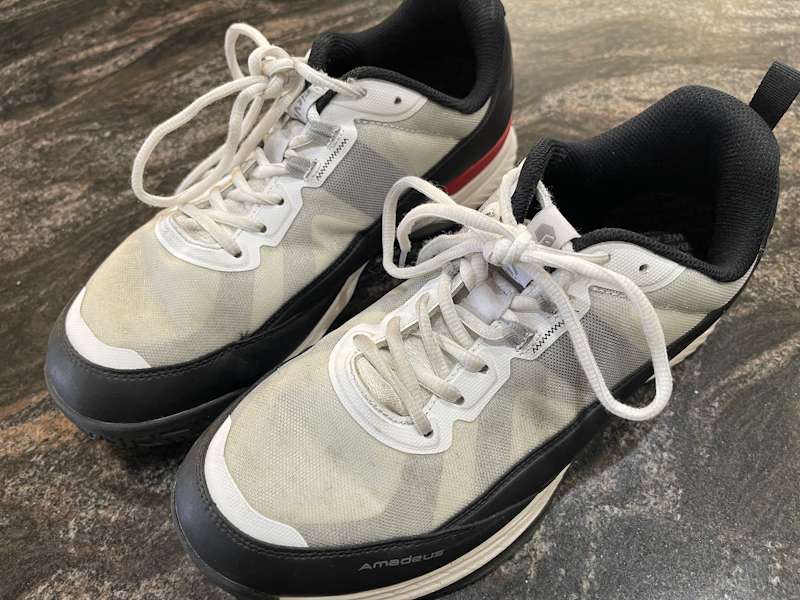 Fitville Amadeus Shoes after 3 Months Usage
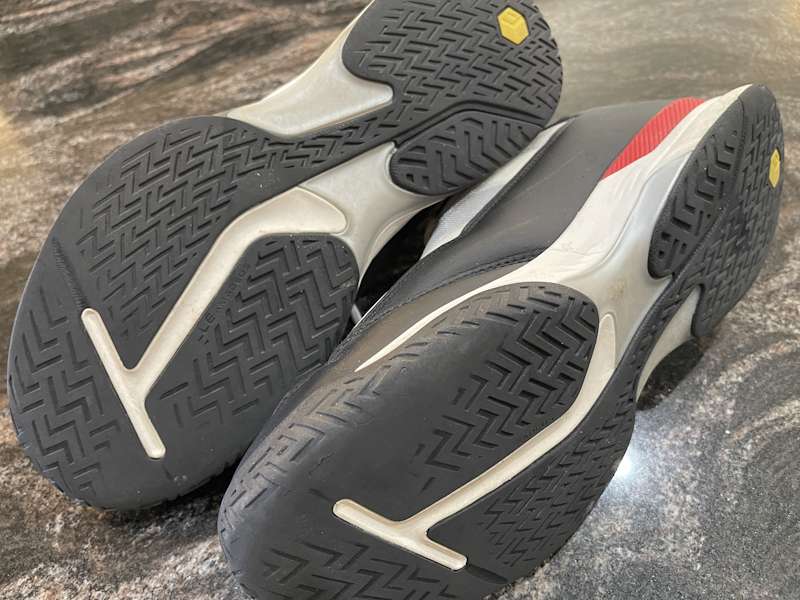 Fitville Amadeus Shoe Soles after 3 Months Usage
Fitville Amadeus vs. Selkirk Courtstrike Pro 3.0
The FitVille Amadeus is a comfort first court shoe designed for players with wide feet or conditions like plantar fasciitis, featuring a spacious toe box, an ergonomic insole, and a cushioned dual density EVA midsole for maximum pain relief. While the FitVille offers a stable, flat platform for casual play, the Selkirk Courtstrike Pro 3.0 is the superior choice for performance due to its aggressive 4-Way Grip rubber, superior lateral traction, and a 6-month outsole warranty. The Selkirk Courtstrike Pro 3.0 wins for competitive play, dominating in traction and durability over the bulky, comfort-focused FitVille.
📌 What to Read Next
Dealing with foot pain or cramped toes after long, aggressive court sessions? Read our real-world comparison showdown Wide Toe Box Pickleball Shoes: FitVille Amadeus vs. Selkirk ProStrike to see if trading away elite lateral lock-down for ultimate anatomical freedom is the right choice for your feet.
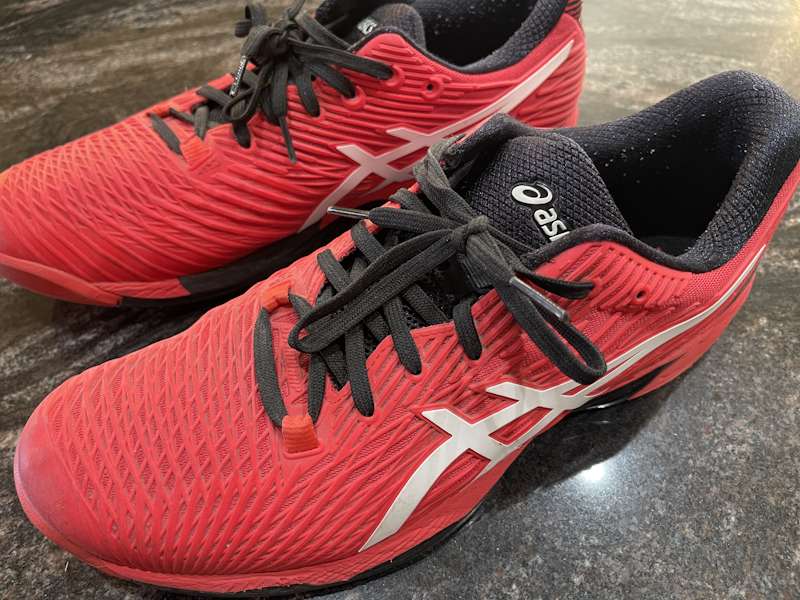 ASICS Solution Speed FF 2 after 3 Months Use
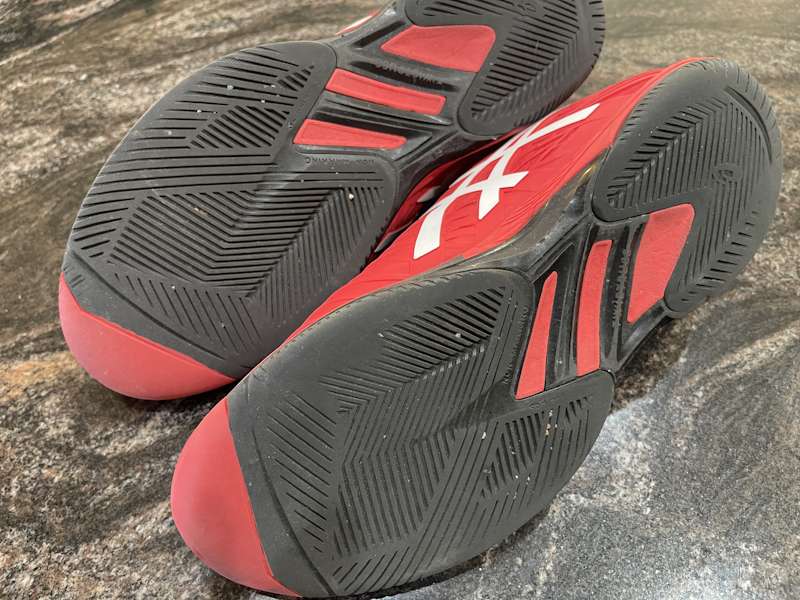 ASICS Solution Speed FF 2 Soles after 3 Months Use
ASICS Solution Speed FF 2 vs. Selkirk Courtstrike Pro 3.0
The ASICS Solution Speed FF 2 is a lightweight tennis shoe featuring Flexion Fit and FlyteFoam for speed, but its split-outsole construction lacks the full ground stability found in the Selkirk Courtstrike Pro 3.0. While using durable AHAR rubber, the ASICS shoe’s thinner design and lack of a 6-month guarantee make it less suitable for durable, long-term pickleball play compared to the Selkirk option. Consequently, the Selkirk Courtstrike Pro 3.0 is the superior choice for consistent performance and durability.
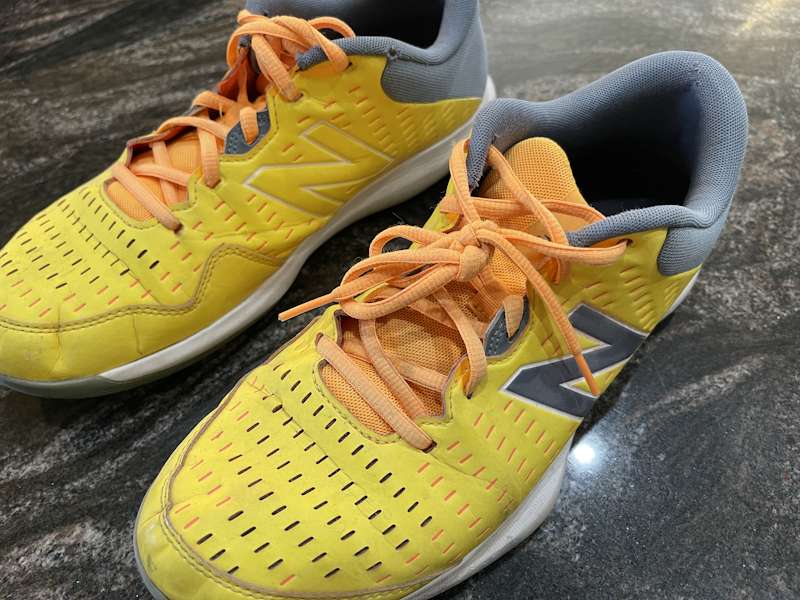 New Balance 696v4 Shoes after 6 Months Usage
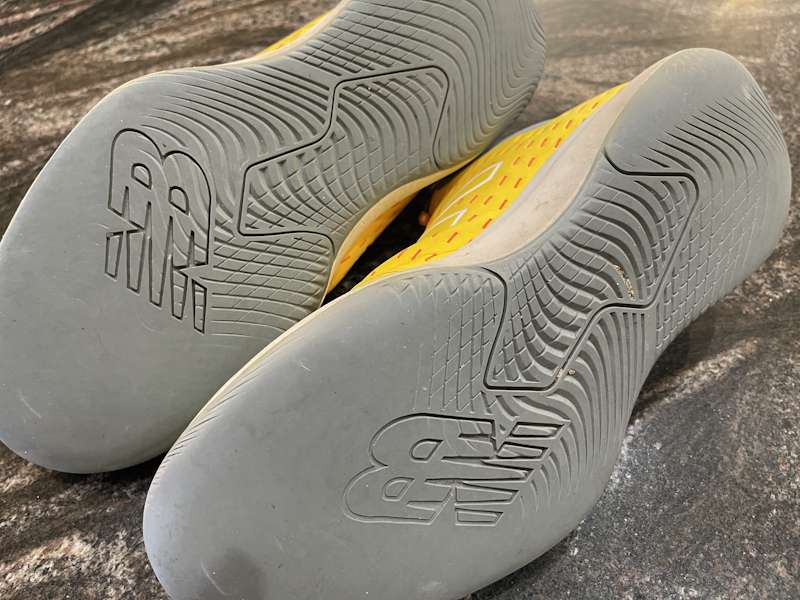 New Balance 696v4 Soles after 6 Months Usage
New Balance 696v4 vs. Selkirk Courtstrike Pro 3.0
The New Balance 696v4 is a minimalist, budget-friendly court shoe built for lightweight speed, but its thin profile lacks the heavy lateral containment found in the Selkirk Courtstrike Pro 3.0. While its Ndurance rubber herringbone outsole feels agile out of the box, the flat tread offers zero lateral stabilization compared to the Selkirk’s prominent multi-directional outrigger. Furthermore, because it sits under $100, New Balance provides no durability guarantee, meaning aggressive kitchen-line grinders can easily smooth out the thin sole in under 90 days. Consequently, the Selkirk Courtstrike Pro 3.0 wins this matchup cleanly, delivering elite tactical stability and long-term financial security through its 6-month sole warranty.
The Science of Soles: Why True Court Rubber Matters
All court rubber is absolutely not created equal, and understanding the material science explains exactly why most shoes bald out within months. When you plant hard at the kitchen line, your body weight creates immense kinetic energy that your outsole must convert into stopping power against a gritty, abrasive acrylic court surface.
This friction generates localized heat spikes that instantly weaken low grade rubber compounds. Budget shoes rely on cheap synthetic polymers that harden, lose their coefficient of friction, and tear away at the microscopic level during sudden lateral cuts. Conversely, premium formulations like ASICS high-density AHARPLUS or Selkirk’s proprietary 4-Way Grip rubber are chemically engineered to dissipate this heat while maintaining a sticky molecular bond with the ground. Ultimately, you are not just wearing down a tread pattern, you are testing whether the chemical compounds in your soles can withstand the punishing physics of advanced pickleball.
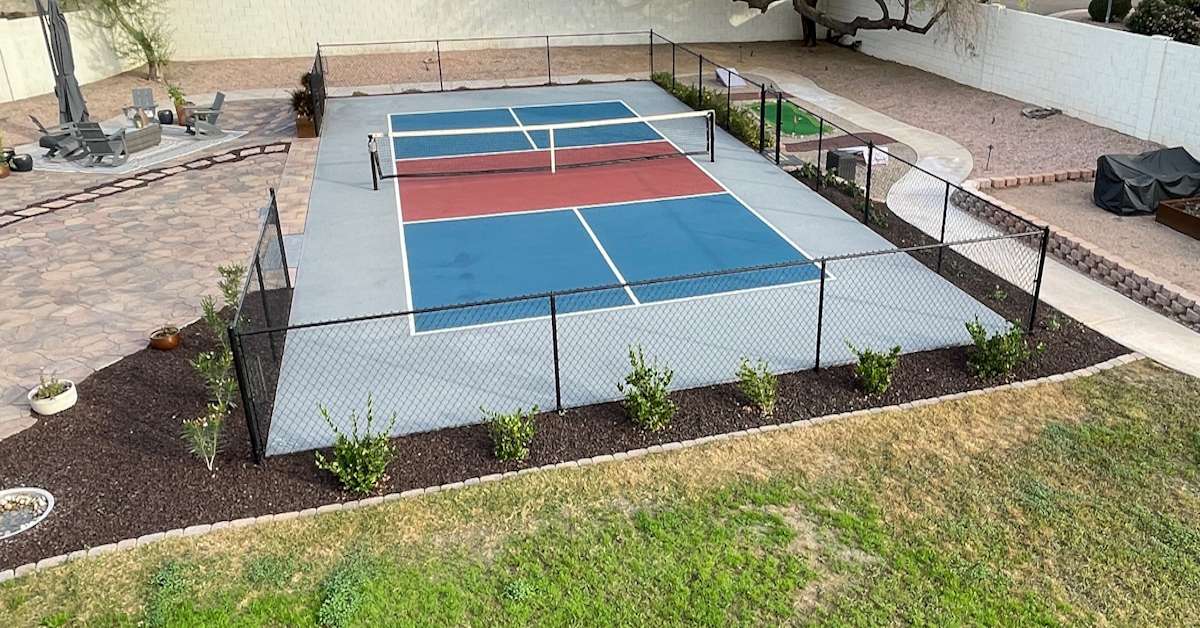
If you are prepping your own playing area, make sure to read our detailed guide on how to build a backyard pickleball court to ensure you apply the correct non-slip acrylic coating.
The Psychological Verdict: Who Wins the Battle for Footwork Confidence?
The Selkirk Courtstrike Pro 3.0 cleanly wins the psychological battle for complete footwork confidence, completely outclassing the competition on raw economic value and structural safety. While budget and comfort alternatives like the New Balance 696v4, Skechers Viper Court Smash, and FitVille Amadeus offer attractive low prices or spacious toe boxes, their total lack of rigid lateral containment and absent outsole warranties breed subconscious hesitation during aggressive kitchen-line cuts.
Even premium tour-level performers like the Nike Vapor and ASICS Solution Speed FF 2 force players to compromise by skipping financial durability protection or requiring painful, multi week break in periods. By pairing a prominent, anti-roll multi-directional outrigger with an ironclad 6 month sole replacement guarantee, Selkirk removes gear anxiety entirely from your mental equation. It serves as the ultimate investment for serious 4.0+ players, allowing you to plant hard, cut deep, and attack every single rally with absolute performance certainty.
Selkirk Courtstrike Pro 3.0 Frequently Asked Questions
Are pickleball specific shoes really different from standard tennis shoes?
Yes. While tennis shoes are built for deep baseline sliding and linear sprinting, pickleball shoes like the Courtstrike Pro 3.0 are engineered for short, explosive lateral cut steps and aggressive kitchen line braking. Selkirk addresses this by adding a wide stability outrigger on the pinky toe side of the shoe to help prevent players from rolling an ankle during quick side to side rallies.
How does the Selkirk Courtstrike Pro 3.0 fit compared to the 2.0?
The Courtstrike Pro 3.0 fits true to length but features a snugger, more locked in performance silhouette than its predecessor. While the ergonomic heel cockpit securely locks down your foot to prevent heel slippage, you will notice a distinct fit change in the forefoot.
To boost airflow, Selkirk added ventilation patches wrapped in a rigid, protective rubber border. This structural reinforcement acts like a tight perimeter band across the top of your toes. It limits horizontal stretching, which can press your toes together and lead to subtle, premature lower-body fatigue during long sessions.
Can I fix the tight Courtstrike Pro 3.0 toe box by swapping insoles?
No. Swapping out the standard factory insoles for a thinner aftermarket or custom orthotic option will not resolve the toe pinch. Because the horizontal bottleneck is caused by the rigid, unyielding perimeter rubber of the upper mesh, dropping your foot lower underfoot does not alter the shoe’s width boundaries.
What should wide-footed players do about the Courtstrike Pro 3.0?
If you have standard or narrow feet, the performance lockdown is excellent. However, if you have exceptionally wide feet or highly preferred the spacious splay of the Courtstrike Pro 2.0, you may want to size up a half size to clear the upper rubber restriction. If you require maximum toe box volume for absolute pain relief, a dedicated wide model like the FitVille Amadeus is a safer alternative.
Can you use the Courtstrike Pro 3.0 on both indoor and outdoor courts?
Yes. The rubber outsole compound is rated for both indoor wood or tile surfaces and gritty, abrasive outdoor concrete courts. It delivers a reliable, sticky grip on the ground so players can change directions instantly without sliding.
What happens if the replacement warranty pair wears out too?
The official warranty policy specifies that the guarantee is strictly limited to a one-time replacement pair per original retail purchase. If a player burns through the rubber outsole of the replacement pair within the initial 180 day window, that second pair does not qualify for another replacement.
📌 What to Read Next: Once you have the right footwear to protect your joints, you need a high quality surface to play on. Check out our step by step breakdown on how to build a backyard pickleball court to see how we transformed our lawn into a dedicated training space.