The In-Ground Edge: Prepping Your Dirt for Success in Arizona Clay
Prepping Your Dirt in AZ: The In Ground Advantage
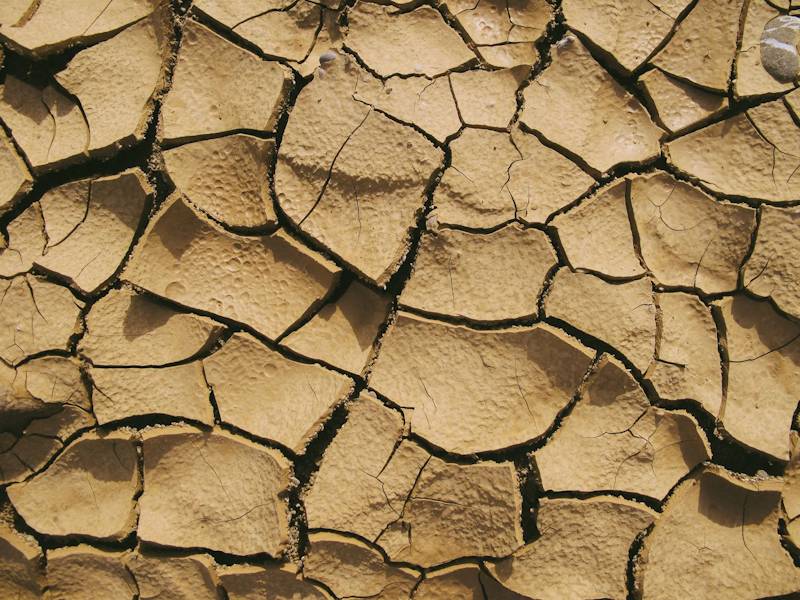
Growing straight in the ground is incredibly rewarding because it connects you directly to the earth, but it also comes with unique local challenges—especially in the desert southwest where our native clay and gravel can feel like concrete.
There is something deeply satisfying about digging directly into the earth. Unlike containers or raised beds, planting straight in the ground gives your plants’ roots unlimited room to stretch out, find deep water reserves, and build long-term strength.
However, unless you are blessed with perfect, fluffy loam, our natural soil usually needs a little tough love before it is ready to host a thriving garden.
If you are staring at a patch of hard, dry ground, here is exactly how to transform it into a welcoming home for your plants:
The 50/50 Soil Rule (Stop the Concrete Effect)
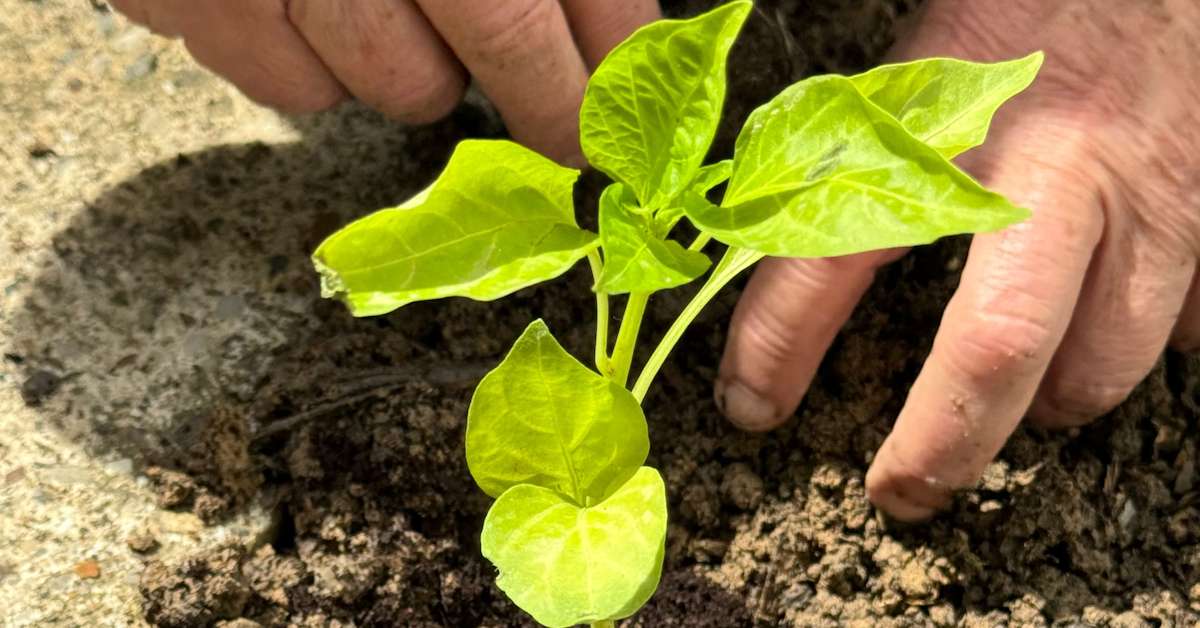
Native soil—especially our heavy clay—packs down tightly. When you dig a planting hole, never just drop the plant into pure native dirt, and never replace it entirely with store-bought potting soil. Prepping your dirt is they key to plant survival.
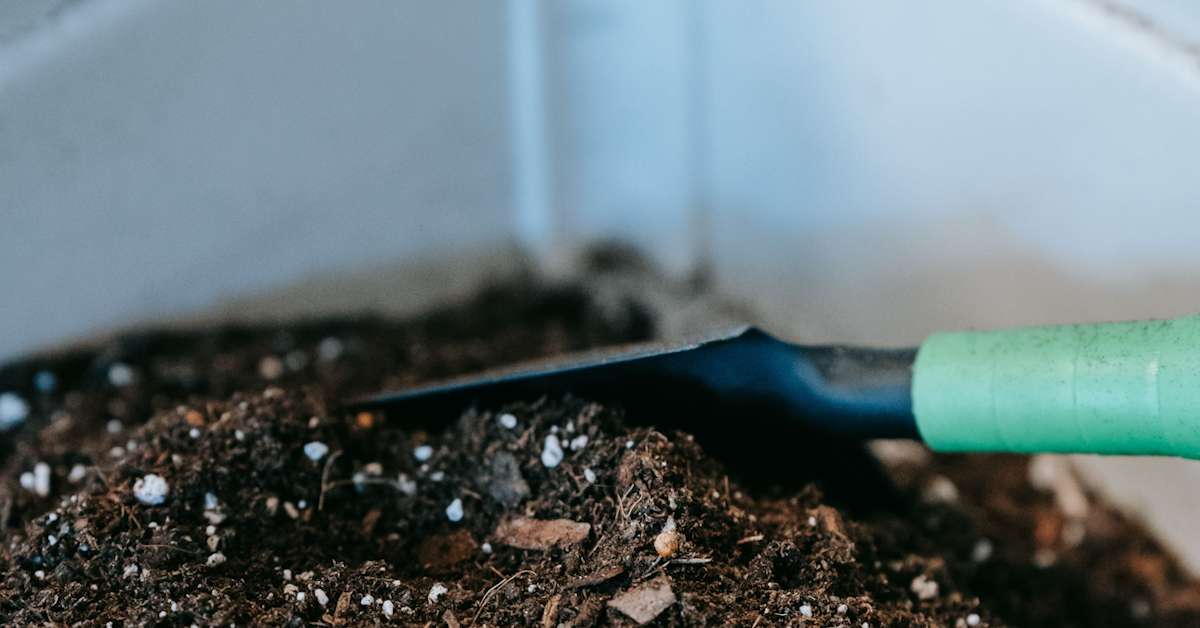
Instead, mix your native dirt 50/50 with a high-quality organic compost or aged manure. This blends the natural minerals of your local earth with the rich nutrients and fluffiness of the compost, preventing the soil from turning into hard bricks when it dries.
The Drainage Test
In-ground plants need water to drain away from their roots so they don’t drown.
- The Test: Dig a hole about 12 inches deep and fill it to the brim with water. Let it drain completely.
- The Result: Fill it a second time and clock how long it takes to empty. If it drains in less than a few hours, your drainage is great. If the water is still sitting there the next morning, you have heavy clay.
Prepping your dirt will help with drainage, so lets discuss some ways to improve that Arizona clay.
Improving drainage in dense Arizona clay soil requires opening up compacted dirt to let water flow. Never add sand alone, as it mixes with desert clay to create a concrete-like texture. Instead, deeply blend three to four inches of organic matter—such as compost, composted manure, or fine bark—into the top eight inches of your soil. For immediate results in planting holes or garden beds, mixing in expanded shale or pumice creates permanent air pockets that prevent roots from suffocating.
Blanket the Earth with Mulch
The sun is the biggest enemy of in-ground moisture. Once your plants are in the dirt, cover the entire surrounding ground with a 2 to 3-inch layer of organic wood mulch or straw. Keep the mulch a couple of inches away from the actual stems of the plants to avoid rot. Mulch acts like a protective blanket, keeping the soil cool, slashing your watering needs in half, and stopping weeds from taking over.
Getting Your Hands Dirty is the Best Part
At the end of the day, the perfect garden patch doesn’t happen overnight. It takes a little sweat, a bit of patience, and a willingness to learn directly from the earth. By giving your soil the right foundation today, you are setting up your future plants to thrive for seasons to come.
So grab a shovel, find a patch of earth, and don’t be afraid to get some mud under your fingernails. The best lessons in gardening are learned with your hands in the soil and what better way then prepping your dirt.
What are you planning to plant straight into your freshly prepped soil first? Drop a note on our contact page—I’d love to hear what you’re growing!