Arizona Wildlife Garden Guide: Attract Pollinators & Deter Pest Birds
How to Build a Vibrant Arizona Wildlife Garden
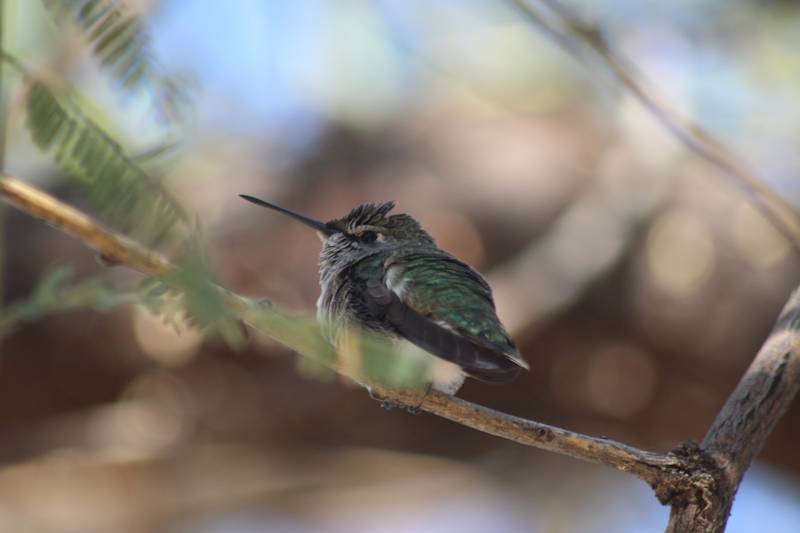
There is a distinct magic to sitting on an Arizona patio as the morning sun crests the horizon, watching a brilliant hummingbird dart between blooms or a queen butterfly glide over the desert flora. In the rugged, sun-drenched landscapes of the Southwest, transforming your backyard into a vibrant Arizona wildlife garden is incredibly rewarding.
However, desert gardening requires an intentional strategy. If you plant the wrong vegetation, you may either end up with a barren yard or—worse—a chaotic influx of nuisance birds that take over your roof and patio. Cultivating a successful habitat requires choosing the right desert pollinator plants, managing the extreme summer heat, and enforcing strict boundaries against pest birds.
Best Desert Pollinator Plants to Attract Hummingbirds and Butterflies (AZ)
To attract hummingbirds and butterflies (AZ) alongside native honeybees, you must provide the exact nectar sources and shelter they crave. The key is choosing heat-hardy, drought-tolerant flora that naturally thrives in a regional Arizona wildlife garden.
10 Best Desert Pollinator Plants to Attract Arizona Hummingbirds
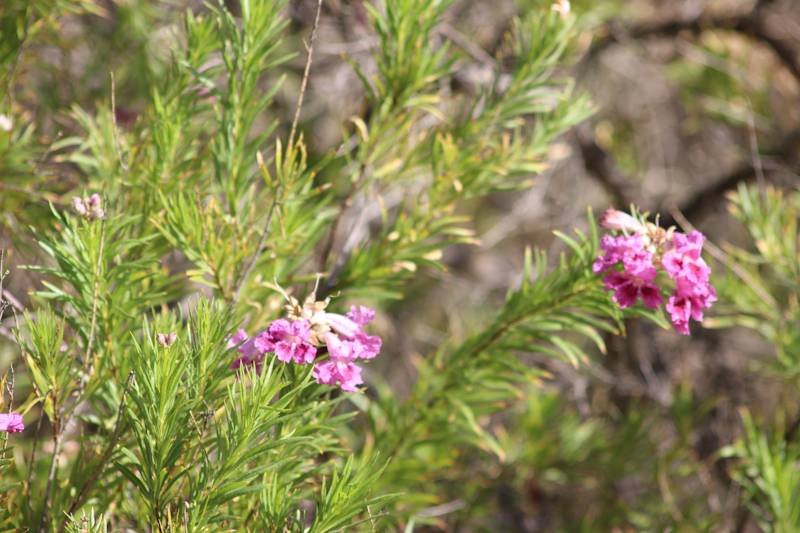
To build a thriving, resilient Arizona wildlife garden, you must select high-value flora that naturally provides the rich nectar resources hummingbirds crave. The following 10 heat-hardy, drought-tolerant desert pollinator plants are arranged in alphabetical order to help you effortlessly plan your landscape layout.
- Arizona Yellow Bells (Tecoma stans): Also known as Yellow Trumpetbush, this striking, fast-growing shrub produces dense clusters of bright, trumpet-shaped yellow blossoms. Its long blooming season from spring to the first frost makes it a highly dependable fuel station for migrating hummers.
Chuparosa (Justicia californica): A classic Arizona native often called the Hummingbird-Bush. This structural plant drops its leaves in the heat to showcase an absolute explosion of long, tubular red flowers perfectly shaped for a hummingbird’s slender bill.
Claret Cup Hedgehog (Echinocereus coccineus): If you want to add succulents to your garden, this cactus is an essential choice. In the spring, it erupts with waxy, brilliant crimson-red flowers that provide a massive boost of early-season energy for local birds.
Coral Bells (Heuchera sanguinea): Perfect for shaded patio corners or under tree canopies, this perennial features delicate, upright wands covered in tiny, bell-shaped pink and red flowers. It adds great vertical texture to your garden beds.
Firecracker Penstemon (Penstemon eatonii): Also known as Eaton’s Firecracker, this rugged native shoots up tall, dramatic spikes packed with intensely vivid, tubular scarlet flowers. It is an absolute favorite for territorial hummingbirds during the spring months.
Golden Columbine (Aquilegia chrysantha): Thriving beautifully in moist, semi-shaded desert canyons or backyard rain gardens, this plant stands out with its elegant, long-spurred yellow flowers that dance on delicate stems.
Goodding’s Verbena (Glandularia gooddingii): A fantastic, low-growing ground cover that carpets your landscape with dense clusters of fragrant, pale-purple flowers. While it heavily attracts native butterflies, hummingbirds frequently drop down to sip from its accessible blossoms.
Orange Gooseberry (Ribes pinetorum): Ideal for higher-elevation Arizona landscapes or cooler, protected microclimates, this woodland-edge shrub produces unique, dangling orange-red flowers that hummingbirds actively seek out.
Parry’s Sage (Salvia parryi): A highly aromatic, drought-resistant sage variant that showcases intense blue-purple flower spikes. Like most desert salvias, its long bloom cycles keep pollinators buzzing through the hottest months.
Thurber’s Desert Honeysuckle (Anisacanthus thurberi): A tough-as-nails desert shrub that produces tubular, brick-red to bright orange blossoms. It thrives in poor, rocky soils and handles full, intense desert sun without breaking a sweat.
Native Butterfly Favorites (With Cross-Over Hummingbird Appeal)
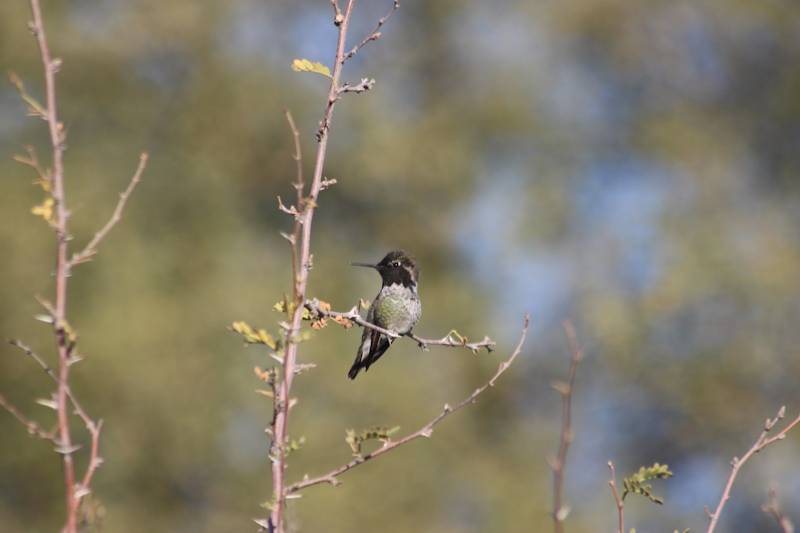
To attract hummingbirds and butterflies (AZ) simultaneously, your garden needs plants that offer wide landing pads for insects alongside the deep, tubular shapes birds prefer. Interestingly, there is a massive amount of crossover between these species. By adding the following eight desert pollinator plants (listed in alphabetical order), you can create a highly efficient, dual-purpose wildlife habitat.
- Desert Milkweed (Asclepias subulata): This is an absolute necessity if you want to support Monarch and Queen butterflies. It serves as the primary food source for their caterpillars.
- Desert Marigold (Baileya multiradiata): A low-growing, low-maintenance choice that carpets the ground with bright yellow flowers, attracting a diverse variety of smaller butterfly species and native bees.
- Firebush, Red (Hamelia patens): This showstopping, heat-loving shrub produces dense clusters of bright red and orange tubular blossoms. Because it offers both a steady physical structure for butterflies to rest on and nectar-rich tubes, it is a massive crossover favorite that keeps both butterflies and hummingbirds fighting over your yard all summer.
- Hartweg’s Twinevine (Funastrum hartwegii): Also commonly known as Vine Milkweed, this climbing desert native is a vital host plant for Monarch and Queen butterfly caterpillars. While the caterpillars feast on the foliage, the clusters of small, fragrant white flowers provide a high-energy nectar source for adult butterflies, bees, and passing hummingbirds.
- Jewel Flower (Streptanthus carinatus): A fascinating, unique desert annual that features urn-shaped, deep purple or yellowish blooms. Its unusual structural shape provides a secure platform for butterflies to perch on while feeding, adding excellent visual variety to a native landscape.
- Mesa Tansyaster (Machaeranthera tagetina): This incredibly tough desert perennial is covered in a blanket of bright, daisy-like purple petals with rich yellow centers. These flat flower heads serve as the ultimate landing pads for larger butterflies, while native desert bees utilize them heavily for pollen collection.
- Ocotillo (Fouquieria splendens): A quintessential icon of the Southwest landscape. The towering, whip-like canes of the Ocotillo erupt with brilliant flaming-orange flower clusters at their tips after spring rains. This is a premier crossover plant; the bright tubes pull in migrating hummingbirds from miles away, while the open blossoms feed early-season butterflies.
- Parry’s Penstemon (Penstemon parryi): One of the most popular spring-blooming perennials in Arizona. It sends up dramatic, tall stalks covered in a wave of neon-pink flowers. It represents the perfect crossover plant, as the spacious flower mouths accommodate hungry butterflies while the rich nectar tubes cater directly to local hummingbirds.
- Red Justicia (Justicia candicans): Often called Arizona Water-Willow, this highly resilient, low-water shrub features striking, velocity-red tubular flowers. Much like its relative, the Chuparosa, its fiery coloration attracts hummingbirds instantly, while the wide-flaring petals make it easily accessible to larger swallowtail and brush-footed butterflies.
- Tahoka Daisy (Machaeranthera tanacetifolia): A fast-growing, low-maintenance annual that showcases intricate, lacy green foliage topped with vibrant violet-purple, starburst-shaped flowers. It blooms heavily over an extended period, offering a highly reliable and easily reachable nectar source for a wide variety of smaller butterfly species.
The All-in-One Powerhouse
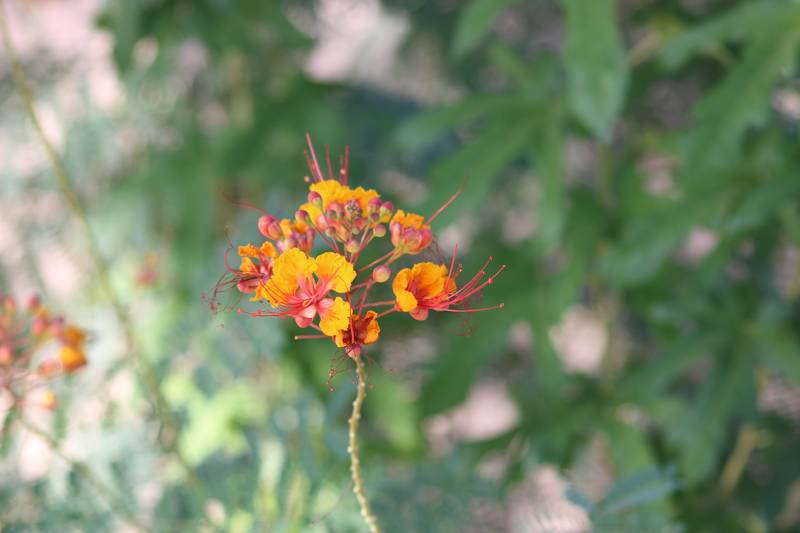
- Arizona Giant Hyssop (Agastache breviflora): An elite all-in-one native mint species that handles the dry heat remarkably well. It erupts with loose spikes of deeply aromatic purple-rose tubular flowers that bloom heavily through summer and deep into the fall season. The mint-scented foliage acts as a natural deterrent for deer, while the floriferous blossoms function as a massive, high-yield dual fuel station for both passing butterflies and local hummingbirds.
- Autumn Sage (Salvia greggii): If you only have space for one plant, make it a Salvia. Available in deep purples, hot pinks, and bright reds, its aromatic foliage and endless blossoms make it one of the absolute best desert pollinator plants to attract bees, butterflies, and hummingbirds simultaneously.
- Brittlebush (Encelia farinosa): A tough-as-nails Sonoran Desert native known for its gorgeous mounded shape and silver-grey leaves. In late winter and throughout the spring months, it shoots out masses of bright, daisy-like yellow flowers on long stalks. The wide, flat floral platforms give butterflies an ideal place to rest and feed, while native desert bees heavily harvest the rich pollen. Crucially, migrating hummingbirds routinely dive down to sip nectar from the deep, hidden individual florets.
- Desert Lavender (Hyptis emoryi): A highly prized, sweet-smelling native shrub featuring soft, silvery-gray foliage. It produces dense, violet-colored flower spikes that smell intensely of fresh lavender when crushed. This plant is an absolute magnet for local wildlife; it serves as a primary nectar source for wide-winged butterflies and native desert honeybees, while hummingbirds aggressively protect it as their preferred seasonal nesting and feeding territory.
Surviving the Scorching Summer Months
When Arizona summer temperatures soar past 110°F, your garden transitions from a regular habitat into a critical survival outpost. Pollinators and local wildlife feel the extreme heat just as acutely as we do, requiring a few conscious adjustments to keep them safe.
First, hydration is just as important as nectar. Set up a very shallow birdbath or a specialized butterfly mister in a deeply shaded area of your yard. Butterflies cannot drink from deep water; they require “puddling” spaces, so filling a shallow dish with damp sand or smooth pebbles allows them to safely land and sip moisture without risk of drowning.
Second, if you choose to hang traditional sugar-water hummingbird feeders to supplement your plants, you must be incredibly diligent. In peak summer heat, sugar water ferments and breeds dangerous bacteria in as little as 24 to 48 hours. If you cannot commit to cleaning and refilling the feeders every single day during July and August, it is much safer for the birds to rely entirely on their living habitat for food.
How to Get Rid of Pest Birds in AZ
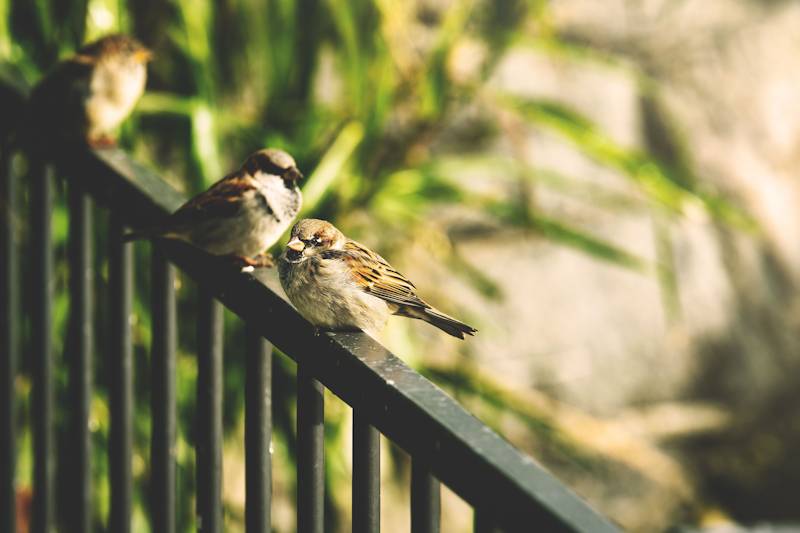
While we want to welcome hummingbirds and butterflies, homeowners frequently face a frustrating downside: massive, destructive flocks of nuisance birds like pigeons, starlings, and house sparrows. These birds leave highly corrosive droppings on patios, destroy roof tiles, and create unsanitary conditions.
Permanently solving this issue requires knowing how to get rid of pest birds in AZ selectively, deterring these larger birds without scaring away your desired pollinators by using targeted, humane pest-control tactics.
Eliminate Broadcast Food Sources and Lawn Buffets
Pigeons, starlings, and grackles are highly opportunistic, lazy ground-foragers. If your yard provides an easy meal, they will quickly transform your roof and patio into a permanent roosting zone. To break this cycle, you must aggressively eliminate the following common broadcast food sources:
- Cheap, Open-Ground Bird Seed Mixes: Standard, inexpensive bird seed mixes are heavily padded with “filler grains” like milo, millet, wheat, and cracked corn. While desirable songbirds pick through hanging feeders, they actively toss these filler seeds onto the floor. Once a layer of loose grain hits your patio or lawn, it creates an open broadcast feeding zone that pest birds will swarm by the dozens. To fix this, stick exclusively to living native plants for your pollinators.
- The Hidden Summer Lawn Buffet (White Grubs & Caterpillars): If you notice massive flocks of birds systematically pecking and tearing up your grass during the peak hot summer months, they are foraging on a hidden underground buffet. High summer soil temperatures force destructive white grubs (the larvae of June Bugs and Palo Verde beetles), tropical sod webworms, and fall armyworms right up to the surface layer of your turf grass to chew on roots. The birds can hear and feel them moving, using their sharp beaks like tweezers to pull them out. To stop this digging, apply a fast-acting summer curative insecticide (like Dylox granules) or organic beneficial nematodes to kill the food source. Once the grubs are gone, the pest birds will move on.
- Spilled Fruit and Overripe Pods: Many common Arizona landscape choices unintentionally provide a relentless, scattered ground buffet. Ficus trees dropping small figs, unmaintained olive trees dropping fruit, and mesquite or carob trees scattering sweet seed pods create an accidental broadcast food source. Pigeons and starlings will crowd your yard for weeks to feast on this fermenting debris, so keep these areas swept clean.
- Human Food Scraps and Leftover Pet Kibble: Leaving dry dog or cat food bowls outside, or throwing stale bread and leftover tortillas onto the grass is an open invitation for pests. Grackles and pigeons are highly skilled urban scavengers. Dog kibble is high in protein and perfectly sized for a grackle’s beak, while bread scraps create a highly visible broadcast zone that teaches local flocks to permanently camp out on your roof structure waiting for the next handout. Keep all pet feeding indoors.
Deploy Visual Deterrents (The Honest Truth About What Works)
Larger pest birds like pigeons and grackles have highly sensitive, complex eyesight and are easily spooked by flashing lights or unexpected, erratic motion. However, if you read user reviews on popular shopping sites, you will see a massive divide: some homeowners swear by visual deterrents, while others call them a complete waste of money.
The scientific reality is that visual deterrents work well, but only as a short-term solution. Birds possess high spatial intelligence; once they realize a flashing object stays in the exact same spot and poses no actual predatory threat, they undergo a process called habituation—meaning they learn to ignore it completely. In fact, it is not uncommon to see a pigeon comfortably perched right on top of a static plastic owl within a single week.
To make visual deterrents genuinely effective in your yard, you have to choose the right gear and deploy it strategically based on real-world testing data:
- Holographic Mylar Flash Tape (Success Rate: Moderate): This is highly effective for protecting open fruit trees or vegetable beds. The tape uses sunlight to bounce blinding, holographic reflections into the sky while making a sharp, metallic crinkling noise in the wind. The dual-sensory attack (blinding light + erratic noise) keeps birds off-balance.
- Wind-Driven Spinning Reflectors (Success Rate: High): Perfect for flat patio roofs, block walls, or roof peaks. These feature rotating metallic cones that spin continuously in the desert breeze, creating unpredictable, sweeping light flashes that mimic an approaching predator.
- Terror and Scare Balloons (Success Rate: Low-Moderate): These large, inflatable 3D spheres feature painted-on, glaring predator eyes. They bounce in the wind to trick incoming flocks, but user reviews note that birds figure out the trick within 10 to 14 days if the balloons are left in the same location.
The Golden Rules for Visual Deterrent Success
If you want to use visual options like holographic ribbons or scare balloons successfully without the birds catching on, you must enforce these three professional property-management rules:
Deploy Only During High-Risk Windows: Do not leave visual deterrents out in your yard year-round. Hang them up exactly when your fruit trees ripen, or when summer lawn grubs hatch and birds start digging. Once the seasonal problem window closes, take them down and store them in the garage so local flocks never have the chance to get used to them.
The 2-Week Rotation Rule: You must physically move your deterrents every 10 to 14 days. Shift the balloons to a different tree branch or hang your flash tape on a different side of the patio. This keeps the environment unpredictable and constantly resets the birds’ fear instinct.
Choose Motion Over Static Objects: Completely skip static plastic owls or rubber snakes. Instead, invest exclusively in items that rely on wind, springs, or rotating mechanics to ensure constant, irregular movement.
Install Physical Barriers
To protect patio beams, flat ledges, and roof peaks from becoming communal roosting spots, install stainless steel bird spikes or heavy-duty exclusion netting. These make it physically impossible for large birds to land, forcing them to find a different neighborhood.
Utilize Tactile Gels
For fences or specific walls where birds love to line up, apply a non-toxic, transparent “bird gel.” It feels uncomfortably sticky under their feet, prompting them to immediately fly away, yet it remains completely invisible to the human eye and does not harm your hummingbirds or butterflies.
Smart Watering Strategies for an Arizona Wildlife Garden
A thriving desert garden relies entirely on efficient watering habits. To maximize your ecosystem while conserving precious desert water, implement these professional landscaping practices:
- Water Deeply and Infrequently: Instead of giving your plants a superficial daily sprinkle, water them heavily and deeply once or twice a week. This trains your native plants to push their roots deep into the cooler layers of soil, making them highly resilient against extreme heat waves.
- Incorporate Organic Mulch: Apply a generous 2-to-3-inch layer of wood mulch around the root zones of your pollinator plants. Mulch acts as a thermal blanket, dropping underground soil temperatures by several degrees and trapping vital moisture before it evaporates into the dry desert air.
- Time Your Irrigation: Program your drip irrigation systems to run during the cool, pre-dawn hours between 3:00 AM and 6:00 AM. This ensures your plants absorb the maximum amount of moisture before the harsh morning sun and wind take over.
By blending the right desert pollinator plants with smart, preventative pest barriers, you can successfully cultivate a pristine, peaceful backyard oasis that celebrates the very best of Arizona’s local wildlife.
Conclusion: Balancing the Desert Beauty in Your Backyard Oasis
Cultivating a thriving Arizona wildlife garden is a balancing act. It is about leaning into the spectacular, rugged beauty of the Sonoran Desert while actively protecting your home from the chaos of urban pests. By populating your yard with high-value native flora like Chuparosa, Arizona Giant Hyssop, and Desert Lavender, you provide a critical lifeline for delicate pollinators while keeping your space looking naturally vibrant.
At the same time, managing a desert sanctuary means being a smart property owner. Cutting off open ground-feeding buffets, treating hidden summer lawn grubs, and deploying dynamic visual deterrents ensures that your yard remains a sanctuary for the wildlife you want and a no-fly zone for the pest birds you don’t.
You don’t need a massive budget or a professional landscaping crew to get started. Pick two or three of the heat-hardy plants from our list, clean up any lingering outdoor food sources, and watch your backyard transform into a peaceful, perfectly balanced desert oasis.