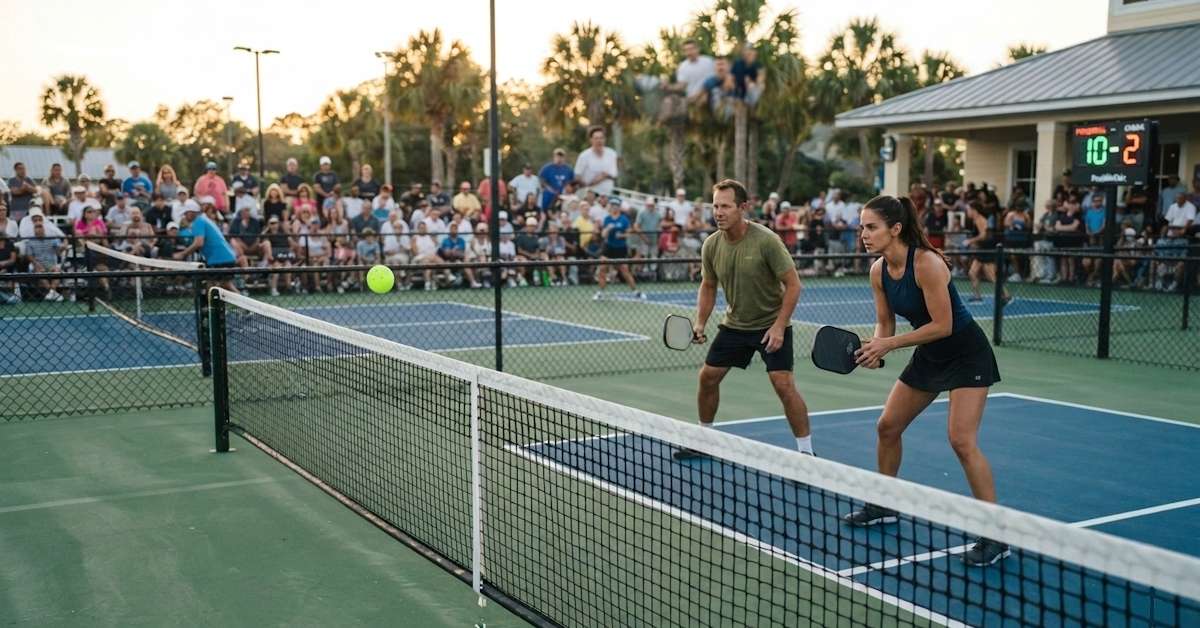
Is the Rec Court Killing Your Rating?
Playing Up or Playing Down: How Rec Court Culture Affects the 4.0–5.0 Pickleball Player, is the Rec Court Killing Your Rating?
You’ve put in the work to get good. Now the rec court game might be the thing holding you back or keeping you sane.
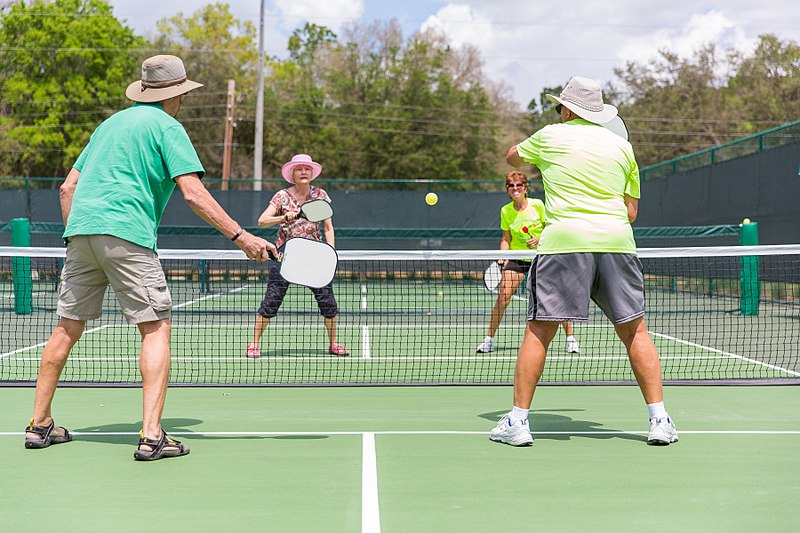
There’s a particular kind of frustration that hits somewhere around the 4.0 level. You’ve graduated past beginner rallies. You understand the kitchen game, you can construct a point, and you’ve started to read your opponents before they even swing. You show up to open play eager to compete and spend the next two hours feeding patient dinks to a 2.5 who just discovered pickleball last month.
Welcome to the in-between.
For players DUPR rated 4.0 to 5.0, recreational pickleball (open play) is a double edged paddle. The rec court is where most of them spend the majority of their playing time. It’s accessible, social, and usually the most convenient option outside of organized league nights or tournaments. But it’s also an environment that wasn’t designed with competitive development in mind and at this level, that mismatch has real consequences.
What the 4.0 to 5.0 Ratings Actually Mean
Before getting into the tension, it helps to understand what these ratings represent.
A 4.0 player has solid fundamentals across the board. They are consistent in dinking rallies, can execute a reliable third shot drop, understand stacking and poaching concepts, and have developed a recognizable point construction strategy. They beat most recreational players without much difficulty.
A 4.5 player is operating at a genuinely competitive level. Their reset game is dependable, they can speed up and slow down rallies intentionally, and they’re starting to develop a defined style whether that’s a patient, defensive dinking game or an aggressive net domination approach.
A 5.0 player is the top of the amateur pyramid and the entry point to the semi-professional world. They have shot variety, tactical awareness, and the athletic consistency to execute under pressure. At 5.0, opponents don’t give you many free points. Every rally is earned.
What all three levels share is a training problem: they are skilled enough that most recreational play doesn’t challenge them but not quite at the level where structured professional training environments are readily available. They live in the gap.
The Rec Court Reality for Advanced Players
Most 4.0 – 5.0 players don’t have access to a dedicated competitive practice environment five days a week. They have jobs, families, and schedules that don’t bend easily around pickleball. The rec court open play at the local park, a round robin at the local club, or a casual drop in session on a Tuesday evening is what’s available.
This is completely normal and, for many players, fine. The problem arises when rec play becomes the primary form of practice, because the skills that separate a 4.0 from a 4.5, or a 4.5 from a 5.0, are not the skills that get tested in a casual recreational environment.
The Speed Gap
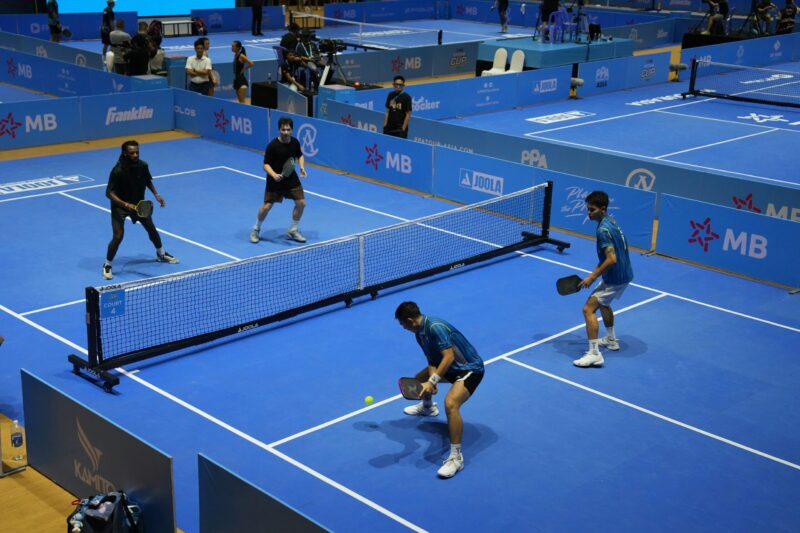
In a competitive match between two 4.5+ players, rallies are faster, resets are harder, and the margin for error on a third shot drop is measured in inches. In a recreational session against mixed skill levels, a player might go an entire evening without once being tested at that intensity. The ball comes back predictably. The resets are comfortable. Nothing pushes the edge.
Over time, this creates a comfort zone that feels like practice but isn’t. A 4.5 player can walk off the rec court feeling like they played great twenty dinking rallies won, a few nice speed up winners without ever having been genuinely challenged in the way a tournament match will challenge them.
The “Hero Ball” Trap
Rec play against lower-rated opponents has a well known side effect on advanced players: it rewards the wrong things. Hitting an aggressive Erne when a patient dink would have been smarter, attacking balls that should be reset, abandoning the third shot drop in favor of a hard drive because it works against a 3.0 these habits feel successful on the rec court and get you punished in competitive play.
The more time a 4.0-5.0 player spends winning rec games with raw athleticism and aggression rather than strategy and patience, the more their tournament game suffers. It’s not that they’re playing badly on the rec court. It’s that they’re playing a different game and confusing success in one for readiness in the other.
Muscle Memory and the Patience Problem
Elite amateur pickleball rewards patience above almost everything else. The player who can sustain a fifty ball dinking rally without rushing an unearned attack wins more than the player who can hit a screaming winner when the opportunity is handed to them.
Patience is a trained response. It requires hours of repetition in conditions that make impatience feel costly. Recreational play rarely provides those conditions. Against weaker opponents, impatience is almost never punished the attack goes in, the weaker player can’t handle the pace, and the point ends. The advanced player walks away with the win and a slightly worse dinking habit.
The Real Pros of Rec Play for 4.0-5.0 Players
None of this means the rec court is the enemy. For 4.0-5.0 players specifically, recreational play offers things that structured competitive environments often can’t.
Volume and Repetition
Even imperfect reps are reps. Advanced players who play recreationally are still getting paddle time, hand eye coordination work, and footwork practice. For players who can only get on the court two or three times a week, rec play provides volume that keeps them sharp between more focused competitive sessions.
Pressure Free Experimentation
The rec court is the ideal place to work on shots that aren’t yet tournament ready. Trying a new roll volley, testing a different return position, experimenting with an aggressive approach; doing these things in a casual environment removes the stakes and allows the experimentation needed for real growth. A 4.5 player who only plays competitive matches never gets to fail safely.
Reading Different Playing Styles
A 5.0 player who only ever competes against other 5.0 players has seen a relatively narrow range of playing styles everyone at that level is, by definition, doing a lot of things correctly. The rec court exposes advanced players to genuinely unusual grips, unorthodox serving motions, and non traditional shot selections that can be disorienting if you’ve never seen them. Some recreational players are remarkably difficult to play against precisely because they don’t play conventionally.
Mental Refreshment
Tournament preparation is stressful. Drilling specific patterns, watching match footage, and obsessing over rating improvements is mentally taxing. Recreational play, especially with friends, resets the relationship with the sport. Most 4.0-5.0 players got good at pickleball because they loved it, not because they were grinding toward a specific rating. The rec court can remind them of that.
Teaching Reinforces Understanding
Many advanced rec players end up informally coaching newer players during open play offering a tip on grip, explaining the kitchen rules, demonstrating a basic dink. This kind of teaching forces the advanced player to articulate what they know, which often clarifies their own understanding. Explaining why you reset a ball rather than attacking it is different from just doing it automatically.
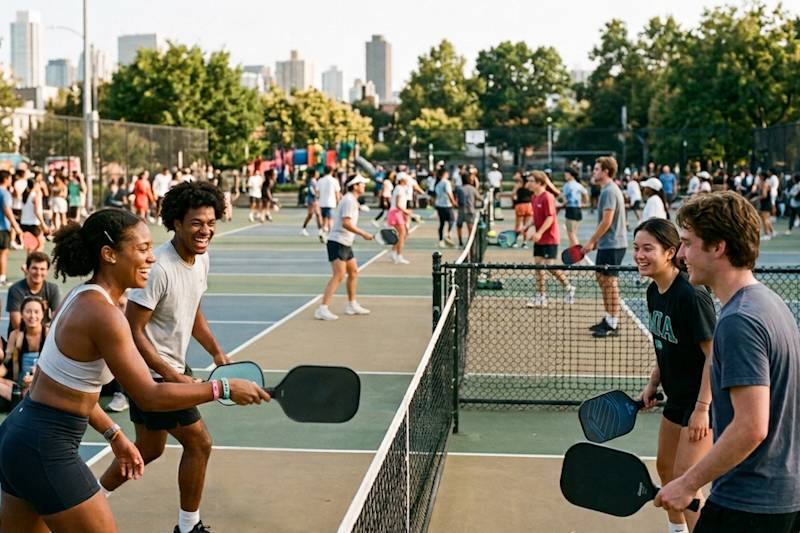
The Real Cons of Rec Play for 4.0–5.0 Players
Stalled Rating Progression
This is the most consistent complaint among 4.0–4.5 players who feel stuck. If your weekly playing time consists mostly of rec play against players rated a full point or more below you, you are not getting the specific competitive pressure needed to move up. Ratings improve when you are tested at or above your current level repeatedly, across a variety of opponents. Rec play does not reliably provide that.
Reinforcing Bad Habits Under No Pressure
A player who is working on cleaning up an inconsistent backhand dink will not fix it in rec play. Recreational opponents don’t consistently target weak spots, don’t construct points designed to expose specific vulnerabilities, and don’t punish errors the way competitive opponents do. Bad habits survive recreational play easily. They get exposed immediately in a 4.5 bracket tournament.
Physical Wear Without Competitive Return
This one is underappreciated. Playing three hours of open play is still three hours on your joints. Ankles, knees, shoulders, and elbows accumulate wear regardless of the competitive level of the session. For 4.0–5.0 players who are also trying to maintain a training and drilling schedule, high-volume recreational play adds physical load without adding competitive benefit. Knowing when to pull back from an extra two-hour open play session to save your body for a structured practice is an important part of managing a serious pickleball schedule.
The Social Obligation Factor
Advanced players at local clubs often become unofficial anchors of the rec scene. People want to play with them, watch them, and be on their team during round-robins. This creates social pressure to show up, play longer than planned, and prioritize the recreational community’s enjoyment over one’s own development goals. It is genuinely difficult to leave an open play session early when twenty people are waiting for courts and you’re the best player there.
Tempo Mismatch Going Into Competition
Recreational play tends to be slower in tempo longer, more casual rallies, lower ball speeds, more time between points. Jumping from a week of rec play into a 4.5 tournament can feel jarring. The pace of competitive play between skilled players is noticeably faster, and players who have been in a recreational tempo for too long sometimes take several games to recalibrate. This transition cost is real.
Strategies for 4.0-5.0 Players Navigating the Rec Court
Getting the most out of recreational play while protecting your competitive development is a matter of intentionality.
Set a Skill Floor for At Least Some of Your Weekly Play
Try to ensure that at least one or two sessions per week involve players at or above your level. This might mean finding a dedicated 4.0+ group, joining a competitive league night, or organizing a drill session with similarly rated players. Rec play can fill the rest of your schedule, but those high-level sessions need to be protected.
Use Rec Play to Drill Specific Shots, Not to Win
Rather than simply playing to win recreational games, set a personal goal for each session maybe it’s resetting every attackable ball rather than going for the winner, or working on a specific serving pattern, or staying disciplined about kitchen positioning. Rec play becomes more useful when it has a specific developmental purpose rather than just a score keeping purpose.
Don’t Suppress Your Game Entirely But Pick the Right Moments
There is value in playing at roughly a recreational pace to avoid being rude or discouraging to less experienced players. But occasionally letting your real game show, particularly on important points or in friendly competitive situations, helps maintain the competitive instincts you’ll need in a tournament.
Track Your Tournament Results Separately from Your Rec Record
Your winning percentage in rec play tells you very little about your actual rating trajectory. The only meaningful performance data comes from competitive play against similarly rated opponents. Mentally separating the two helps prevent the false confidence that rec success can create.
The Bottom Line
The 4.0-5.0 pickleball player is in a genuinely tricky position within the sport’s recreational ecosystem. Skilled enough to dominate most rec play, but not yet operating in an environment with the professional infrastructure to match their ambitions they have to be more deliberate than any other group about how they use the time they have on the court.
Recreational play isn’t the obstacle. Unconscious recreational play is.
The players who make the jump from a solid 4.0 to a competitive 4.5 or 5.0 aren’t the ones who avoid the rec court. They’re the ones who know exactly what they’re getting out of it and what they’re not and plan accordingly.
The rec court will always be there. What you bring to it is up to you.