The Complete Pickleball Mindset: A Step by Step Guide to In Game Mental Mastery
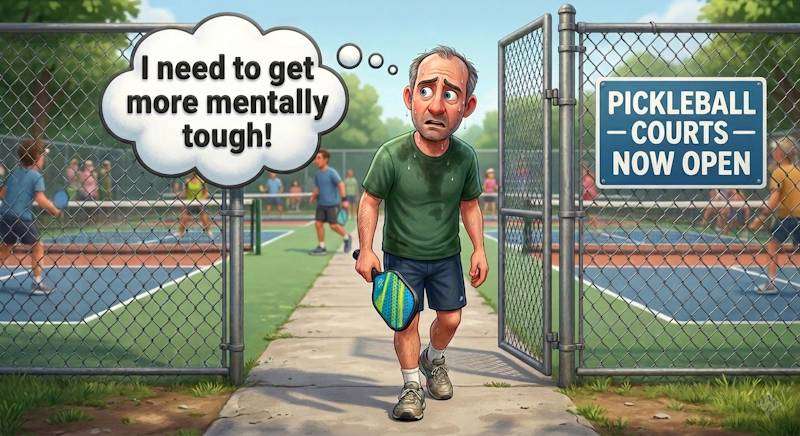
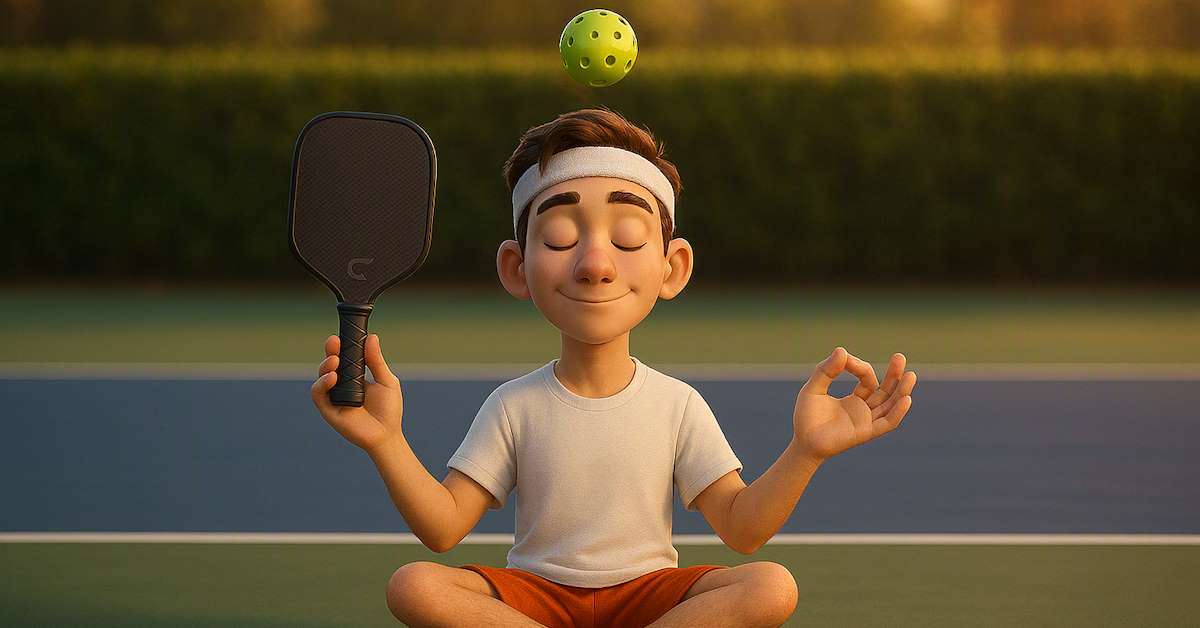
Pickleball is a sport of micro seconds, rapid fire reflexes, and razor thin margins. While physical drilling can perfect your third shot drop, it is your mental framework that dictates whether you execute that shot at 10-10 in the third game of a tournament.
To achieve true consistency, you must transition from a state of anxious overthinking to a state of quiet, automated execution.
This comprehensive guide serves as your master blueprint, breaking down the psychological approach required for every single phase of the competitive experience from the night before preparation, through the mid match grind, and all the way to post match processing.
Because mental performance is such a massive competitive edge, we will be expanding on each of these individual mindset phases with dedicated, deep dive articles in upcoming posts. For now, use this guide as your introductory roadmap to mental mastery.
If you want the quick hits before diving into the full breakdown, jump to the FAQ near the bottom for fast answers on nerves, focus, and crunch time. Otherwise, let’s build this thing from the ground up
Pickleball Mindset # 1 Pregame Preparation: Building the Mindset Before You Step on Court
Mental toughness starts the moment you decide to play, not with the first dink in warmups. Establishing a psychological foundation before arriving at the courts prevents reactive, chaotic play.
- The Night Before (Cognitive Offloading): Reduce anxiety by organizing. Pack your gear bag, lay out court clothes, prep your match hydration and nutrition, and review technical goals. Offloading these trivial logistics frees your working memory so your brain can enter deep, restorative sleep.
- Pre-Match Hydration and Nutrition: Fuel your brain and body with intention. Dehydration impairs decision making and cognitive stamina, so establish a precise fluid and clean energy routine hours before your match to prevent mental fatigue during games.
- Neutralizing Imposter Anxiety and Avoidance Traps (Facing Better vs Weaker Players): Reframe top level opponents as developmental gifts rather than threats to your ego, shifting focus to making them earn every point. Conversely, when facing lower tier players, avoid the trap of playing down to their level or checking out mentally; remain disciplined, respect the game, and use the match to practice perfect execution of tactical mechanics.
- Eradicating Performance Dread: Shift focus from final outcomes to the process. Treat a bad game as data rather than a reflection of skill, allowing you to focus on executing physical movements, not defending your reputation.
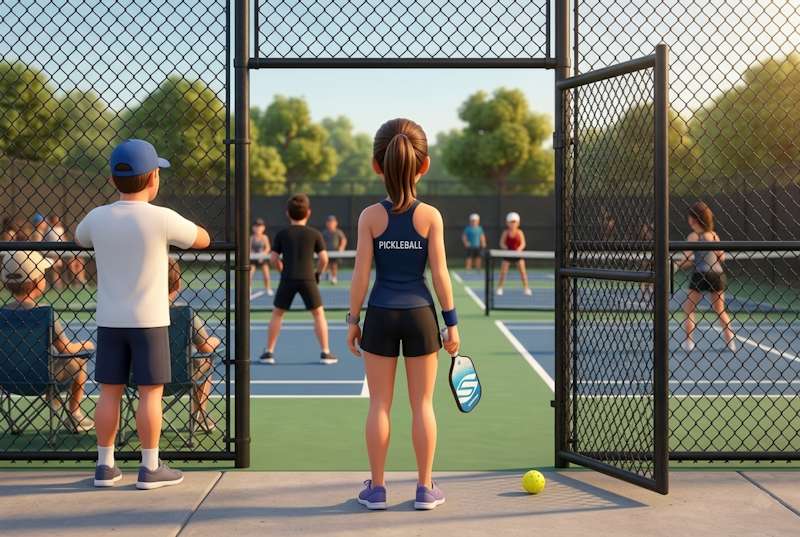
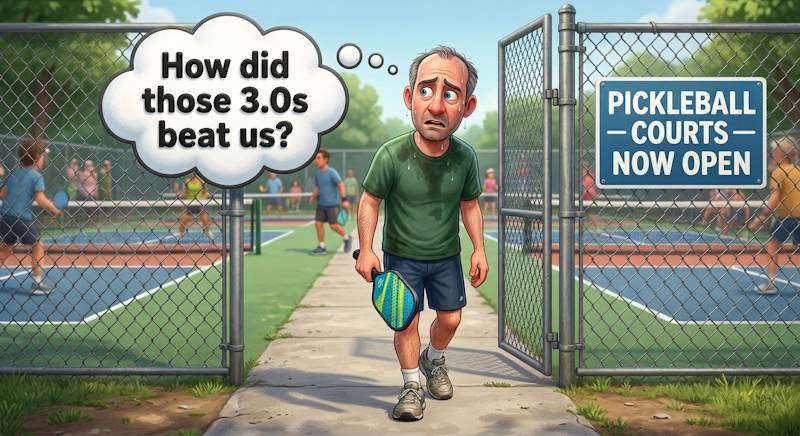
- The Visual Walkway: Use physical surroundings to ground focus. Utilize the entrance to the facility as a mental boundary, leaving daily stress outside and entering the court fully present.
The moment you pull open the facility doors or step past the outdoor park gate, tell yourself, “Everything outside of this fence stays outside of this fence.”
If playing indoors, narrow your vision away from the busy environment and lock your eyes onto the specific dark backdrop of your designated court wall. This transition routine leaves daily life stress behind, ensuring you enter the playing arena present.
Want to master these habits? Read the full breakdown of this science backed pickleball pregame routine
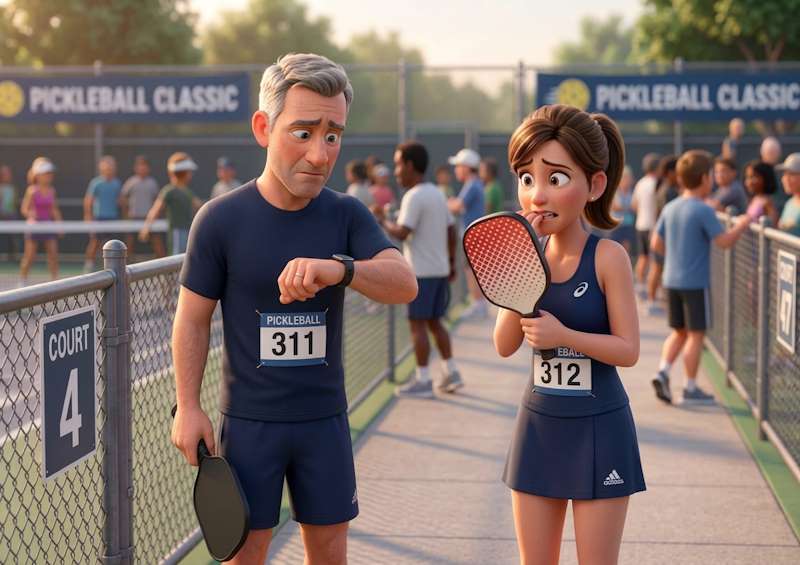
Pickleball Mindset # 2 – Conquering Pre-Match Jitters and Your Pickleball Warm-Up Strategy
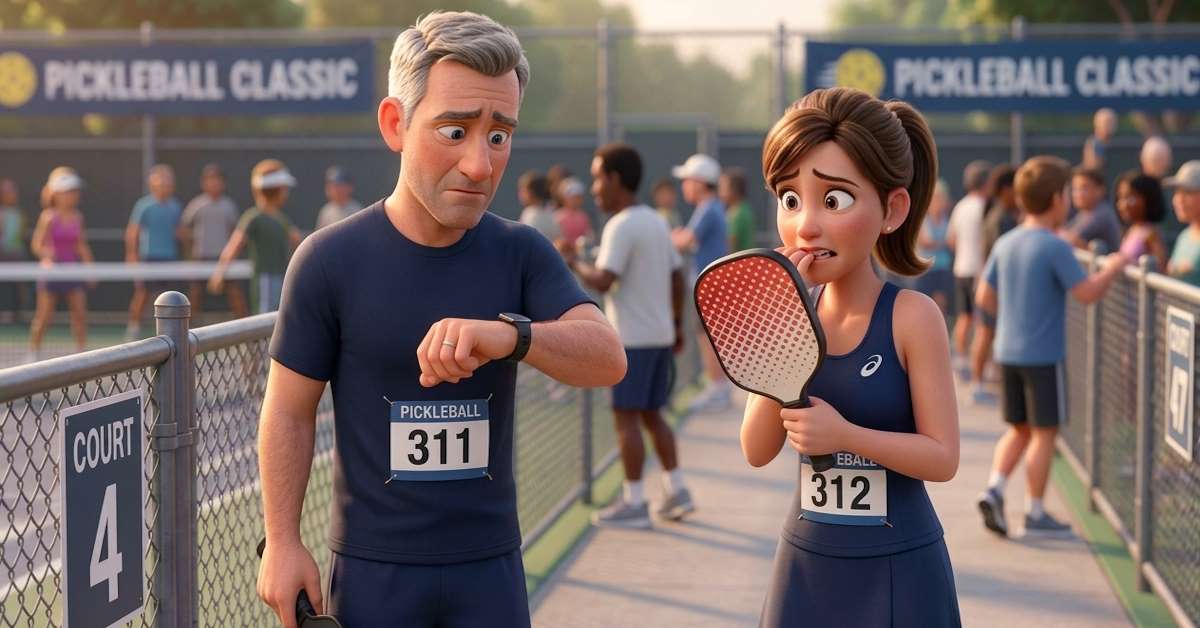
You left daily life stress at the gate and stepped onto the court present. But as you drop your bag and look out at the playing area, a familiar, fluttering wave of pre-match adrenaline begins. Nerves are natural and mean you care about the outcome, but unmanaged adrenaline spikes your heart rate, freezes footwork, and forces a tight grip on your paddle. Channel that anxious energy into an asset rather than a mental anchor.
- Reframe the Anxiety: The physical response to anxiety and excitement is identical. When your chest tightens, reframe the narrative. Instead of thinking, “I hope I do not mess up,” tell yourself, “My body is fueling up with adrenaline so I can move fast.”
This isn’t just a mind trick psychologist Jeremy Jamieson’s research on stress reappraisal found that simply relabeling anxiety as excitement improves performance under pressure.
- The 4 4 Grip Check: A tight grip kills your soft touch and causes ball pop ups. Squeeze your handle at a maximum intensity 10, then drop it to a relaxed 4. Combine this with box breathing: inhale for four seconds, hold for four, exhale for four to slow your nervous system down.
The 3-Step Synchronization Warm-Up and Scouting (The Silent Assessment)
Do not mindlessly hit balls back and forth with your opponents. Use the standard 4 player shared warmup to systematically calibrate your senses:
- The Kitchen Sync Warm Up: Do not mindlessly hit balls back and forth. Start across from your partner at the non volley zone. Avoid hitting winners and focus entirely on tracking the ball into the center of your paddle face to establish a soft, rhythmic dink.
- The Transition Drop Warm Up: Step back to the baseline while your partner stays at the kitchen, practicing your drops from a distance, then switch. This builds your spatial awareness, depth perception, and anchors your physical center of gravity.
- Controlled Speed Ups Warm Up: Return to the kitchen and hit fast, controlled volleys directly at each other. This activates your fast reaction hands, sharpens visual tracking, and helps you practice your resets.
- Warm Up Scouting (The Silent Assessment): Quietly watch how your opponents handle the ball during practice rallies. Look for a backhand leak where they run around the ball, heavy hands that pop the ball up high, and stiff footwork where they bend at the waist rather than moving their feet.
By reframing your nervous adrenaline as premium fuel, relaxing your paddle grip, and utilizing a structured warmup to scout your opponents, you turn pre-match jitters into competitive focus. You are no longer stepping onto the court hoping to play well; you have actively tuned your body and mind to command the match from the very first serve.
Ready to Overcome Court Anxiety? Read the Full Guide on Conquering Pickleball Pre-Match Jitters
Pickleball Mindset # 3 – Settling In: How to Deal with Pickleball Anxiety in the First 3 Points
The opening points of a match set the tone. Rushing to score immediately often leads to early unforced errors that kill your momentum and boost your opponent’s confidence.
- Play with Massive Margins: The opening points are not the time to hit the lines or roll an aggressive dink over the net tape. Give yourself a massive safety net. Target the dead center of the kitchen or deep into the middle of the transition zone.
- Expect and Accept the Rust: Expect a missed shot, a misread bounce, or a communication error early on. Accept it immediately without internal judgment. Giving away one point to an unforced error is fine; carrying frustration into the next three points loses games.
- Focus Fully on Footwork: Jitters cause heavy, frozen feet, so direct your conscious mind entirely to your movement. Tell your feet to click into position early. If your footwork is active, your hands take care of the rest on autopilot.
By playing with massive safety margins, accepting early mistakes without judgment, and forcing your feet into early motion, you systematically neutralize opening game nerves. This disciplined approach prevents early unforced errors from snowballing into a multi point deficit, allowing you to settle into the match pace calmly and rhythmically while your opponents burn through their own anxious energy.
Want to Slow Down the Game? Read the Full Guide on Settling In and Overcoming Early Match Anxiety
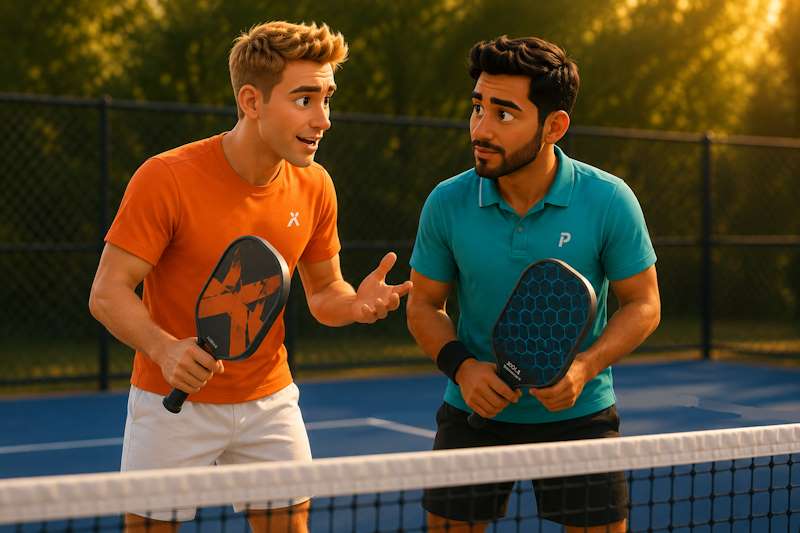
Pickleball Mindset # 4 – The Pre-Point Reset: A 5-Second In Game Mental Strategy
Between rallies, your brain undergoes a massive shift in focus. Without a deliberate bridge to clear your thoughts, frustration blocks your tactical vision.
- Establish a Physical Ritual: After a point ends, whether you won it or made an error, execute an immediate physical trigger instead of rushing to call the score.
Take control of the game pace by choosing one distinct action: bounce the ball three times, tap your paddle against your shoe, touch the back fence, or take one deep breath.
This physical trigger forces a pause, pulling your mind out of emotional overdrive and shifting focus back onto your body.
- The Slate Cleanser: Think of this five second routine as a mental trash can that prevents errors from bleeding into the next rally.
Forcing a physical ritual uses the exact five seconds it takes to walk back to your position.
Dedicating those seconds to bouncing the ball or looking at your paddle strings forces your brain to focus on a new physical task, erasing the emotional sting of previous errors and wiping the slate clean.
By anchoring your mind with a consistent physical ritual between rallies, you completely disconnect from past mistakes and reclaim your cognitive focus. This fast reset guards your mental stamina, ensuring you face the very next serve with absolute presence and tactical clarity.
This kind of between-point ritual is what sport psychologists call a pre-performance routine and the research consistently shows athletes who use one recover focus faster after a mistake than those who don’t.
Reclaim Your In Game Focus: Read the Full Five Second Pickleball Pre-Point Reset Guide
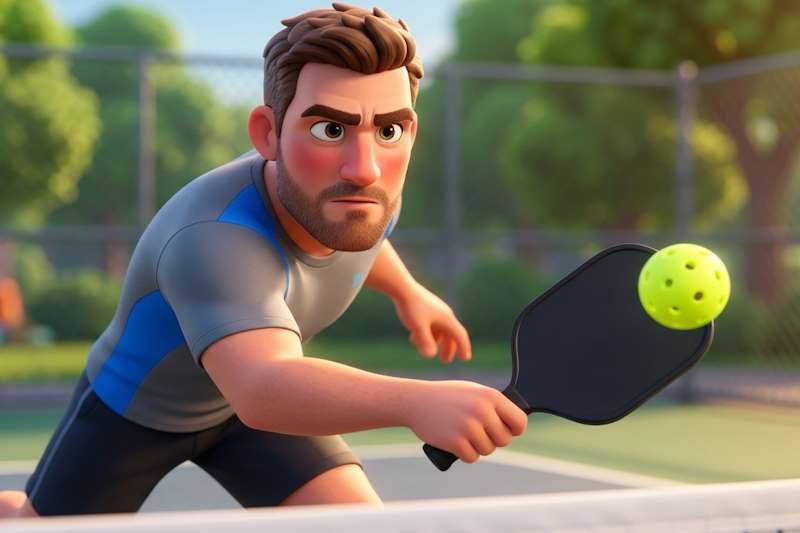
Pickleball Mindset # 5 – Shifting into Flow State and Silencing Your Inner Coach
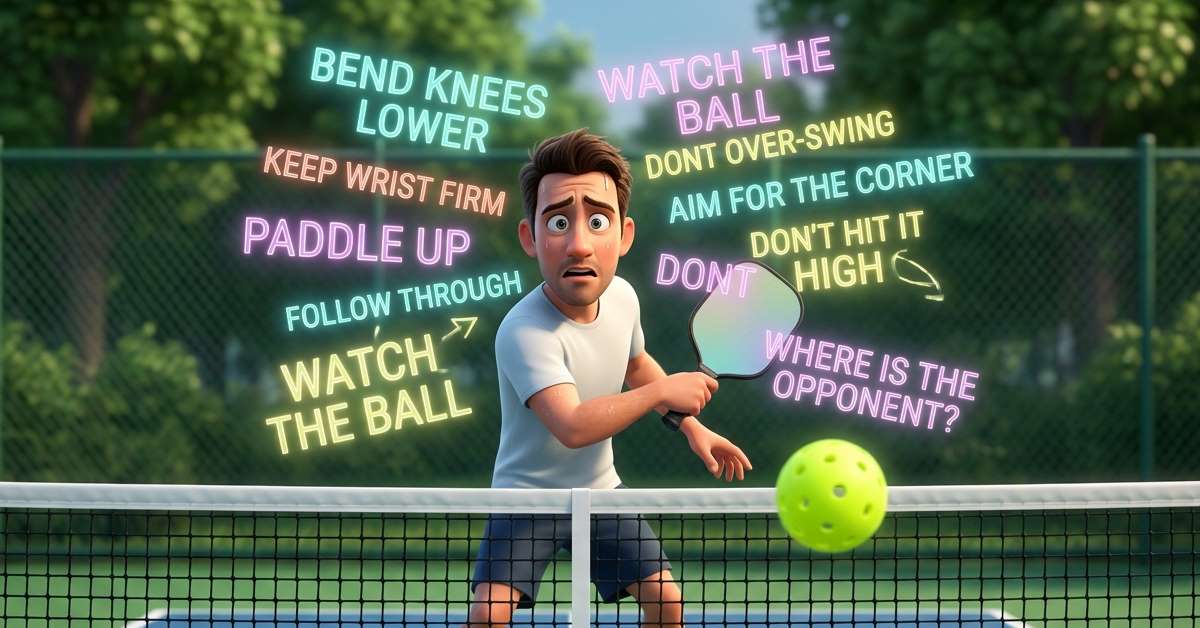
During a live rally, conscious calculation is your greatest enemy. You cannot actively compute paddle angles, ball spin, and opponent positioning while a ball travels toward you at high speeds. True peak performance happens when you turn off the internal lecture and let muscle memory command the court.
- Trust Your Autopilot: Quiet your inner coach during active play. Instead of thinking mechanically about keeping your wrist stiff or staying low, rely entirely on your hours of drilling. Your body already knows how to execute these shots automatically, and your conscious mind simply needs to step out of the way to let it happen.
- Aim for External Visual Targets: Shut down analytical thoughts by pinning your eyes strictly to concrete, external visual cues. Lock your gaze onto the spinning holes of the ball, or choose a highly specific patch of court space, like an imaginary target bucket at the opponent’s feet, where you want your third shot drop to land.
Sport scientists call this the ‘quiet eye’ a longer, steady fixation on the target right before you execute and it’s one of the most consistent differences researchers find between elite and average performers.
- The Soft Focus Transition: Between shots, avoid staring intensely at the net or tracking random movement outside the fence. Transition your vision into a relaxed, soft focus over the entire court area, then instantly narrow your sight back into a sharp, hyper focused lock the exact millisecond the ball contacts an opponent’s paddle.
- Accept Action Without Judgment: Drop the running commentary on your performance while a point is alive. If you hit a poor dink, do not analyze the mistake mid rally; accept the current position instantly, react to the incoming ball, and save the technical breakdown for your post match notebook.
By shifting focus away from mechanical instruction and onto external visual targets, you clear the mental clutter required to enter a true flow state. This quiet confidence allows your athletic instincts to take over, transforming your game from stiff, overthought execution into fluid, responsive play.
Unlock Peak Performance: Read the Full Guide on Entering a Pickleball Flow State
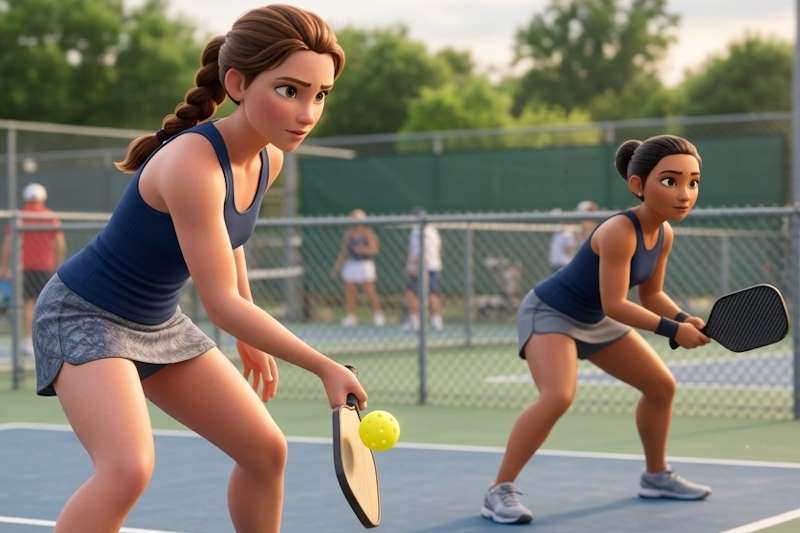
Pickleball Mindset # 6 – Tactical Pickleball Mindset: Adopting High Shot Tolerance
Mental toughness crumbles when a player expects to hit an outright winner and panics when the opponent successfully defends it. True tactical maturity means understanding that power is a setup tool, not an immediate point finisher.
- High Shot Tolerance: Adopt the absolute belief that every speed up, drive, or smash is coming back over the net. Never view an aggressive shot as a guaranteed winner; view it merely as a pressure tool designed to force a weak return and earn an even better opportunity on the next ball.
- Embrace the Grind: Maintain the exact same physical posture, patience, and mental composure on the twentieth dink of a rally as you did on the very first shot. Expecting long rallies removes the internal impatience that causes players to attack unattackable balls out of pure exhaustion.
- The Reset Strategy Bias: When an opponent successfully counters your attack, fight the urge to hit your next ball even harder from a poor position. Shift your tactical objective instantly toward resetting the ball safely back into the kitchen to neutralize the pace and start the point over.
- Forcing the Impatience Tax: Shift your goal away from hitting spectacular winners and focus entirely on unmoving consistency. By refusing to give away cheap errors, you collect an impatience tax from your opponents as they grow frustrated and attempt low percentage shots.
By building high shot tolerance and embracing long rallies, you strip away the desperation that leads to forced errors. This patient approach shifts the emotional pressure entirely onto your opponents, leaving you to control the tactical pace of the match.
Master a Patient Strategy: Read the Full Guide on Building High Pickleball Shot Tolerance
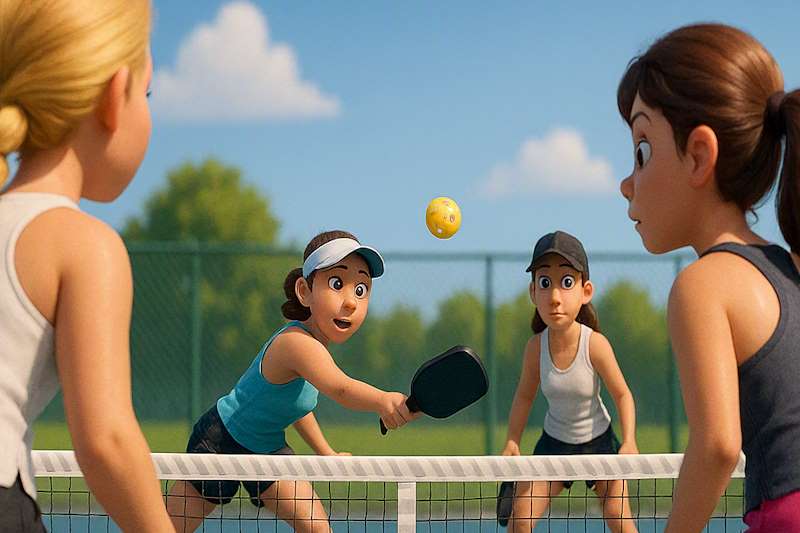
Pickleball Mindset # 7 – Surviving the Mid-Match Grind: Keeping Your Intensity Alive
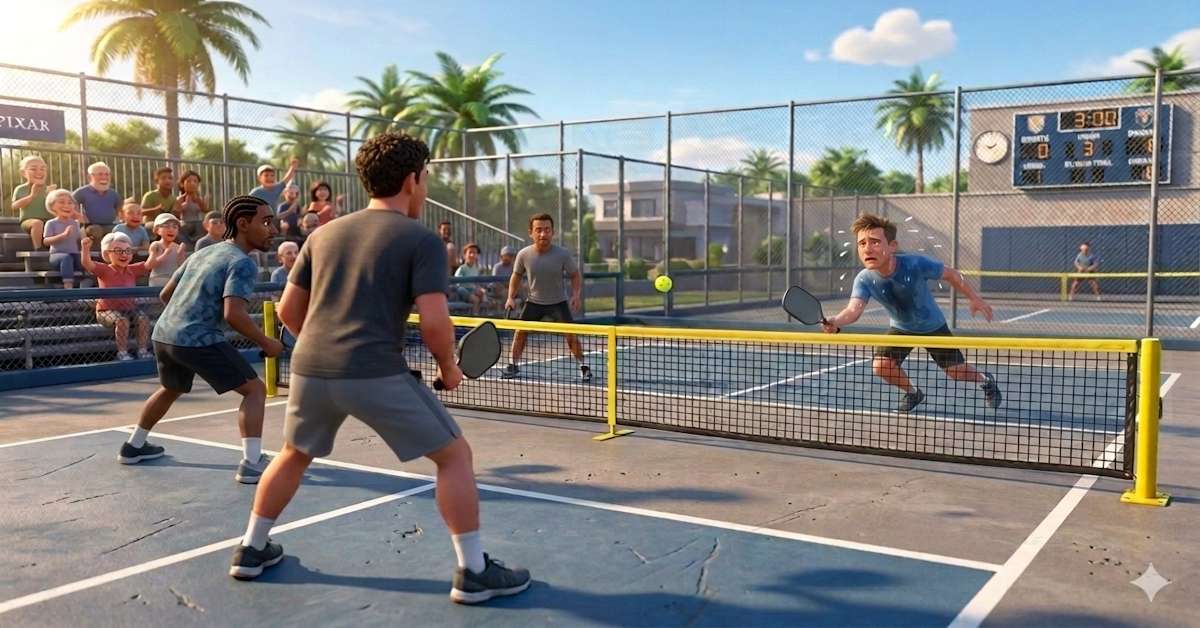
Every multi game match has a dangerous mid game lull. The initial adrenaline surge from the opening points fades, physical fatigue starts creeping in, and the repetitive nature of long rallies can cause your mental focus to wander. Surviving this grind requires active, deliberate strategies to keep your competitive energy sharp when your body wants to slow down.
- The Second Game Drop: It is common to drop focus in Game 2 after winning Game 1 easily. Opponents naturally adjust their strategy, and if you stay on autopilot, you will get caught flat footed. Prevent this trap by treating the start of the second game as a completely new, 0 0 match, erasing past scores from your mind.
- The Physical Reset Cue: When fatigue threatens your focus, your posture collapses and your paddle drops low. Fight the mid match grind by checking your stance between every single point. Actively bounce on your toes, slap your thigh to wake up your quad muscles, and hold your paddle high in a ready position. Forcing aggressive body language tricks your brain into maintaining high competitive intensity.
- Oxygen Loading (The Deep Lung Flush): Physical exhaustion starves your brain of the oxygen needed for quick tactical decisions. During side switches or right before a serve, take three exaggerated abdominal breaths, exhaling slower than you inhale. This rapid oxygen flush drops your heart rate, clears lactic acid buildup, and snaps your focus back to the immediate task.
- Targeting Mini Milestones: Looking at a big point deficit or a long path to eleven points during a fatigue wave can make your mind surrender. Break the game down into mini milestones by telling yourself to just win the next side out or secure the next two points. Shrinking your timeline prevents mental overwhelm and keeps your competitive intensity high.
By recognizing the second game trap, forcing positive body language, flushing your system with oxygen, and shrinking your score goals, you successfully conquer the mid match exhaustion barrier. This sustained focus allows you to outlast opponents who depend purely on initial adrenaline, ensuring you finish the final points of the match with the exact same intensity you brought to the opening serve.
Maintain Peak Intensity: Read the Full Guide on Outlasting the Mid Match Pickleball Grind
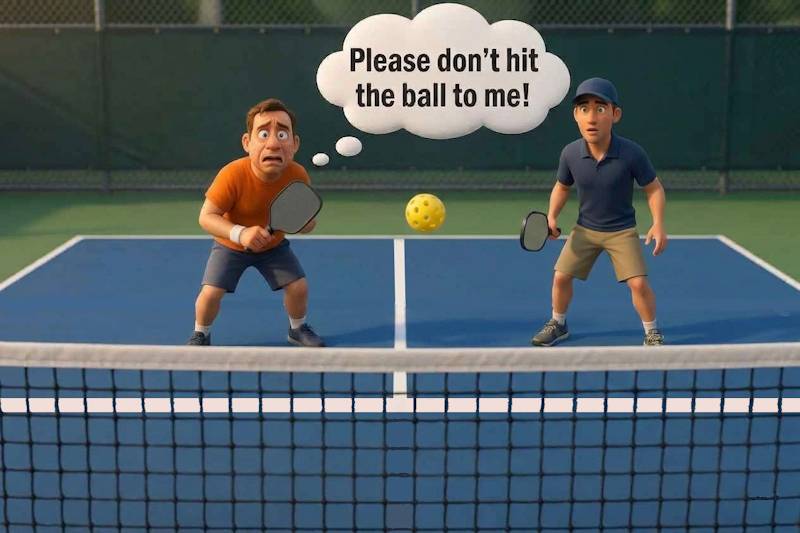
Pickleball Mindset # 8 – Navigating In Match Adjustments When Being Targeted
When opponents make a run or heavily target your weaknesses, anxiety naturally attempts to creep back in and hijack your strategy. True mental resilience means accepting the target on your back and making tactical adjustments rather than folding under the pressure.
- Control the Controllable: You have zero control over bad line calls, sudden gusts of wind, or an opponent lucky net cord. Frustration over these factors is wasted energy. Direct your focus strictly onto your own effort, your breathing, and staying positive with your partner.
- Process Over Outcome: When the scoreboard looks grim, stop looking at it because thinking about a deficit triggers panic. Anchor your mind to small, process oriented execution goals like promising yourself to hit the next return deep down the middle, period.
- The Partner Shield Strategy: When you are being targeted ruthlessly, communication with your partner must increase, not decrease. Coordinate a strategy where your partner actively shifts over to cover more court space or handles the aggressive middle drives, taking physical and mental pressure off your shoulders.
- Altering the Predictable Pattern: Opponents target you because they have figured out your rhythm and ball trajectory. Break their comfort zone by changing your shot patterns instantly; swap out soft dinks for a sudden drive, or push a deep lob over their heads to force them out of their attacking positions.
By controlling your emotional responses, focusing on small execution goals, shifting positioning with your partner, and breaking predictable ball patterns, you successfully neutralize targeted attacks. This adaptability shifts the pressure back to your opponents, turning a defensive struggle into a tactical victory.
Adjust Under Pressure: Read the Full Guide on Navigating In Match Pickleball Adjustments
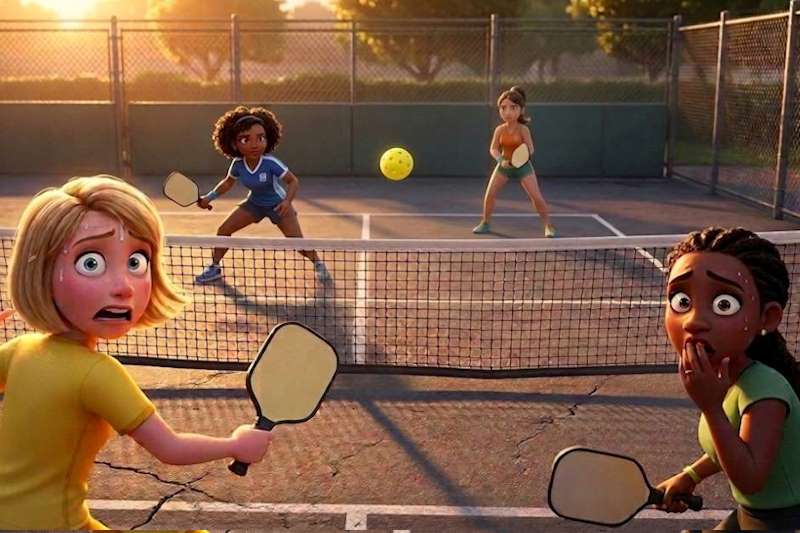
Pickleball Mindset # 9 – Defeating Crunch-Time Pressure at Match Point
When the game reaches its critical final points, players often instinctively fall into the trap of playing not to lose. They get timid, hit hesitant pokes, or rush the points to get the stress over with. True crunch time mastery requires leaning into your training rather than pulling back.
- Play to Win: Timid, defensive dinks sit up high and get smashed. Commit to your normal aggressive margins. If a sharp angled cross court dink or a heavy third shot drive is your best weapon, strike it with conviction, not a hesitant poke.
- Force a Physical Slowdown: Pressure makes humans rush. Before a high stakes serve or return, take an extra three seconds. Walk to the back fence, look at your paddle strings, or have a huddle with your partner. Forcing a physical slowdown prevents the brain from slipping into panic.
- 10 10 is Just 0 0: The physics of a pickleball do not change because the score is high. The ball reacts the exact same way to your paddle face at match point as it does on the opening serve. Strip away the emotional weight of the moment and treat it like just another standard, repeatable rally.
- Embrace the Pressure Monster: Reframe the intense late game tension as a privilege. Tell yourself that this high stakes moment is exactly why you compete, channeling the nervous energy into sharp focus rather than fear.
By attacking with conviction, forcing a slow pace, stripping away emotional score weight, and welcoming the tension, you master crunch time. This poise keeps you steady while your opponents tighten up, turning high stakes moments into your competitive advantage.
Conquer Final Points: Read the Full Guide on Defeating Crunch Time Pickleball Pressure
Pickleball Mindset # 10 – Post-Match Processing: Dealing with Loss, Bad Play, or a Win
The mental game does not end at the final handshake. Whether you walk off the court victorious or defeated, processing a match constructively is crucial for building permanent mental toughness and avoiding plateaus, regardless of the outcome.
Falling into negative rumination over a tough loss or obsessing over bad play traps the mind in a loop of past mistakes, which destroys confidence and stalls athletic growth.
- Processing a Tough Loss or Bad Play: Never analyze mechanics when emotions are red hot. If you played poorly, give yourself a strict 24 hour moratorium on self criticism. Avoid venting or obsessing over missed shots on the car ride home. Once 24 hours pass and your mind is logical, write down exactly two technical areas to drill next time.
- Processing a Major Win: Celebrate the victory, but do not let ego hijack your progression. Winning blinds you to subtle errors that better opponents eventually exploit. Ground your wins in realistic self assessment by asking yourself, “What mistakes did I make that I got away with today?”
- Separate Identity from Performance: Your worth as a player is separate from scoreboard numbers. Treat every game as a neutral data collection experiment. A bad day on the court is simply feedback on physical movements, not a permanent reflection of your skill or ultimate potential.
- Document Your Key Takeaways: Write down two specific technical adjustments and one mental victory from every outing. Keeping a physical or digital match log transforms passing experiences into permanent athletic growth, closing the competitive loop and fueling your pregame planning.
By implementing a cool down period, auditing your wins, protecting your identity, and logging takeaways, you ensure constant development. This routine transforms every match into premium fuel for your ultimate pickleball mindset.
Continuous Growth Strategy: Read the Full Guide on Post Match Pickleball Processing
Final Thoughts: The Mindset of a Champion
A pickleball paddle is merely an extension of your arm, but your mind is the ultimate engine driving every shot. Think back to the last tight match you lost.
Did your paddle suddenly fail you, or did your brain get too cluttered to execute? True mastery of this sport requires you to train your mental resetting rituals with the exact same dedication that you give to your physical baseline drives.
Falling into negative rumination over a tough loss or obsessing over bad play traps your mind in a loop of past mistakes, which destroys confidence and stalls athletic growth.
By building a bulletproof pregame routine, accepting early mistakes, and treating match point with the same tactical calmness as the opening serve, you strip away the emotional chaos and unlock your natural flow state.
Do not leave your performance up to chance or let temporary nerves dictate your skill ceiling. Start utilizing your partner triggers, build your index card deck, and actively take control of your psychological game.
Or download our prefilled pickleball mindset index card deck and start mastering your mental game today.
Over to You: What Part of Your Mental Game Breaks Down First?
Do you struggle more with paralyzing pre-match jitters, or do you find yourself playing not to lose when the score hits 10 10? What custom verbal triggers do you and your partner use to snap back into focus?
Master the Pickleball Mindset: Read the Full Pickleball Mental Game Master Blueprint

Frequently Asked Questions
What is the pickleball mindset?
The pickleball mindset is the mental framework a player uses to manage anxiety, stay present, and execute skills automatically instead of overthinking during a match. It covers everything from pregame preparation to how you reset after a single point.
How do I stop overthinking during a pickleball match?
Focus on external targets instead of internal mechanics, locking your eyes on the ball or an aiming spot rather than thinking about your grip or wrist angle. This taps into what researchers call the quiet eye, and it quiets the conscious inner coach that slows you down mid rally.
How do you deal with nerves before a pickleball match?
Reframe the physical sensation of nerves as excitement rather than fear, since the two feel almost identical in the body. Combine that with a physical routine, like box breathing or a 4-4 grip check, to bring your nervous system back down before you serve.
How do I stay mentally tough against better pickleball players?
Shift your goal away from the scoreboard and focus on making your opponent earn every point. Since the pressure to win sits entirely on them, you’re free to play with more tactical freedom and less fear of the outcome.
What should I do between points to reset mentally?
Use a small physical trigger, like bouncing the ball three times or tapping your paddle against your shoe. This kind of pre-performance routine gives your brain a few seconds to let go of the last point before you start the next one.
How do you avoid choking at match point in pickleball?
Play your normal aggressive shots instead of getting tentative, and deliberately slow your own pace by taking a few extra seconds before you serve or return. Treating match point the same as 0-0 keeps your arousal level from spiking past where you play your best.
Why do I lose focus in the second game after winning the first?
This is a well known letdown that happens once the initial adrenaline of Game 1 fades and fatigue sets in. Treat the start of Game 2 as a brand new 0-0 match rather than an extension of a game you already won.
What should I do mentally after losing a close match?
Give yourself a 24-hour window before analyzing what went wrong. Emotions run too hot right after a loss to make an honest technical assessment, so process the feeling first, then come back and write down two things to drill.
Bring Mental Mastery to the Bench: Your Printable 3″ x 5″ Index Card Deck
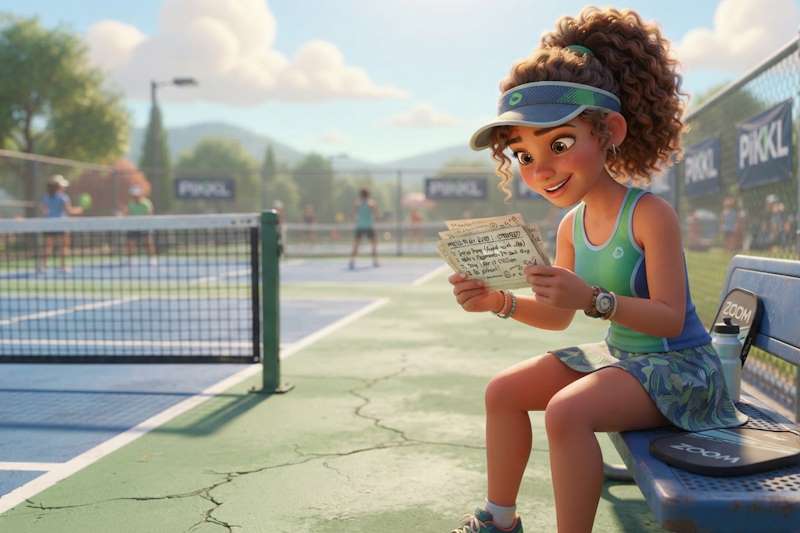
Having a great mental strategy is one thing, but when your adrenaline is red-hot at 9-10 in the third game, your brain will struggle to remember long paragraphs of psychological advice. That is where partner verbal triggers come in. These are short, punchy, two to three word phrases designed to immediately bypass your overthinking mind. Saying a phrase like “Big margins, active feet” acts as an instant shortcut, forcing your nervous system to abandon complex mechanical thoughts and anchor back into raw, reliable fundamentals.
To help you and your partner stay locked into this framework during tournaments, we have condensed this entire strategy into a portable, court ready mental deck. You can easily print these out, clip them to your pickleball bag, and read them right on the bench during timeouts or end-changes.
Are you a Rule Breaker? Or do you Color in Between the Lines?
For a deeper look into official competitive parameters, tournament pacing, and fair play structures to keep your on-court anxiety low, make sure to check out the USA Pickleball Official Rulebook.