Breaking the Loop: How to Stop Ruminating About Bad Play and Correctly Process Match Results

Master Your Post-Match Processing to Eliminate Mental Rumination
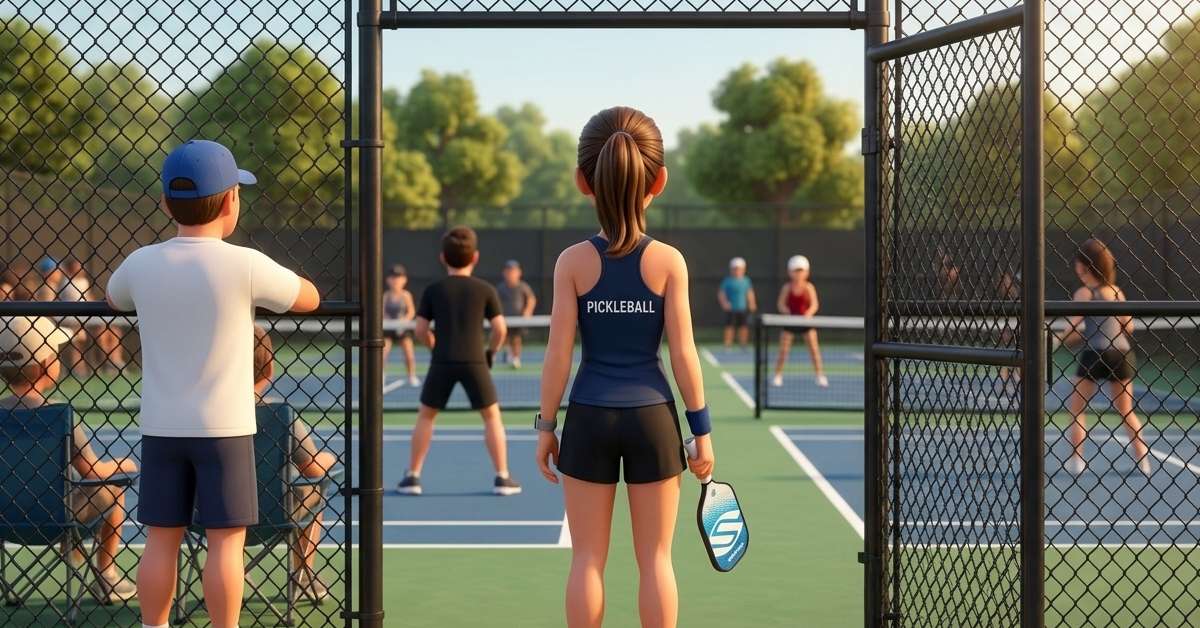
The final point of your local recreational session has been completed, the paddles have been tapped, and you are officially packing up your gear to head home. However, the most critical phase of your mental development does not take place while the ball is actively flying across the net; it happens entirely in how your brain chooses to interpret your performance once the physical play is over.
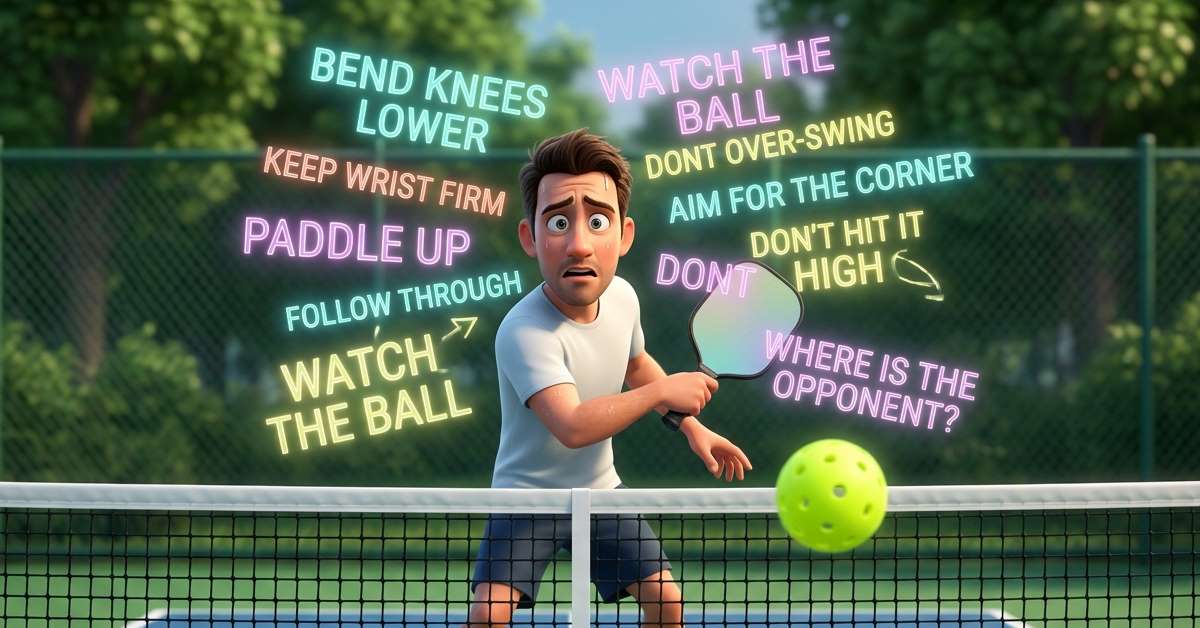
Far too many passionate players find themselves completely trapped in a toxic cycle of ruminating about bad play, obsessing over a single missed overhead smash or a string of unforced errors for hours or even days after leaving the courts. Learning how to properly evaluate your time on the court requires a structured, objective method to de-escalate the emotional aftermath of a difficult day.
By establishing a healthy, post-game evaluation routine, you can completely isolate your self-worth from a poor performance, actively quiet your internal critic, and figure out how to improve pickleball focus for your next session.
Likewise, mastering this post-game processing means knowing how to correctly celebrate those stellar days where everything clicked, ensuring you build genuine confidence without letting complacency or an inflated ego stall your long-term growth. Instead of letting your emotional reactions dictate your confidence, you construct a balanced psychological foundation that transforms every single result into direct fuel to elevate your skills.

Breaking the Loop: How to Stop Ruminating About Bad Play and Eliminate Post-Match Obsession
The Core Concept: Replaying your court errors on a continuous loop does not improve your technique; it simply grooves the memory of failure into your nervous system. By identifying the moment reflection turns into destructive obsession, you can deploy active mental boundaries to halt the cycle of ruminating about bad play.
- The Coach’s Perspective: I know exactly what you do when you drive home after a rough afternoon on the courts. You turn off the radio, stare blankly at the road, and replay that one missed put-away volley at 9-9 over and over again in your mind.
You think about how you should have bent your knees lower, how you should have closed your paddle face, and how you completely let your partner down. As your coach, I am telling you that this constant post-match obsession is actively destroying your confidence. There is a massive difference between productive analysis and toxic rumination.
Productive analysis looks at a mistake once, extracts the lesson, and makes a plan to drill it next Tuesday. Rumination is just beating yourself up emotionally for an outcome you cannot change. The very second you catch your mind drifting back to that missed shot while you are eating dinner or lying in bed, you need to issue a firm mental command: “Stop.” The match is over, the data has been collected, and keeping yourself trapped in the past will only make you play tighter the next time you step up to the line.
- The Science Behind It: This debilitating post-match loop relies on the over-activation of a brain network known as the Default Mode Network (DMN). When you finish an active physical task and your mind enters a resting state, the DMN automatically switches on to handle self-reflection and emotional processing.
If a session went poorly, your brain’s Subgenual Prefrontal Cortex can hijack this network, forcing you into a state of compulsive Negative Cognitive Venting. Instead of processing the day objectively, your brain loops the memory of the mistake, which keeps your stress hormones elevated hours after you leave the courts.
To break this automatic cycle, you must employ a cognitive behavioral technique called Thought Stopping paired with an Alternative Cognitive Task. Consciously interrupting the thought patterns and shifting your attention to an entirely different, engaging topic disrupts the DMN bottleneck. This deliberate shift allows your brain to settle down, offering a clear psychological blueprint for how to improve pickleball focus by preserving your mental energy for future development.
The Breakdown for the Court:
- Default Mode Network (DMN) Hijack: This is your brain’s internal movie theater playing a continuous highlight reel of your worst mistakes on autopilot. It turns on the moment you get in your car or sit down on the couch, flooding your system with frustration when you should be relaxing and recovering.
- The 30-Minute File-Closure Rule: Give yourself a strict, non-negotiable thirty-minute window after your last game to talk about, think about, or dissect your performance. The exact second that thirty-minute timer hits zero, the match file is officially locked, archived, and closed, forcing your mind to focus entirely on the present evening ahead.
- Thought Stopping: Think of this as slamming the gate shut on an intrusive thought before it can gain momentum. It is the conscious act of recognizing that replaying a missed dink for the twentieth time will not fix your paddle angle, giving you the power to disconnect from the frustration immediately.
Constructive Boundary Setting: Giving Yourself a Safe Timeline to Move On From Casual Losses
The Core Concept: Trying to suppress your disappointment immediately after a bad game is completely unrealistic and often makes the frustration worse. By creating a structured, time-limited window to feel your annoyance and then intentionally closing the book, you build a protective barrier that stops a bad day on the court from bleeding into your personal life.
- The Coach’s Perspective: Let’s be honest: nobody likes losing a tight game or playing below their capability, even if it is just a casual Saturday morning recreational session. When you hit a rough patch on the court, I don’t expect you to walk off with a fake smile on your face pretending everything is completely fine.
It is perfectly healthy to feel frustrated, annoyed, or even a little embarrassed by an unforced error that cost your team a close game. As your coach, my rule isn’t that you can’t feel bad; my rule is that you have to put a strict time limit on it. I want you to establish a firm “emotional boundary line” for your casual losses.
Give yourself until you finish your post-game hydration stretch, or until you drive past the exit of the court complex. Let yourself process that irritation completely during that brief window. However, the exact second you cross that physical or mental boundary, the mourning period is officially over. Shake your legs out, pack your bag away, and make a conscious choice to transition back into your normal day without carrying a cloud of court frustration with you.
- The Science Behind It: This boundary-setting technique relies on a proven behavioral therapy mechanism known as Scheduled Worry Placement and the stabilization of the Sympathetic Nervous System De-escalation Phase.
When you experience a frustrating loss, your body undergoes a real, physical stress response that elevates your heart rate and releases cortisol into your bloodstream. If you try to aggressively suppress those feelings right away, you cause a psychological bottleneck that actually prolongs your internal stress state. By creating a specific, dedicated window to acknowledge your disappointment, you allow your brain’s Orbitofrontal Cortex to fully process the negative emotions without sending your survival networks into an endless panic loop.
Once that predefined window closes, your brain can naturally transition into its Parasympathetic Rest State, which actively lowers your blood pressure and brings your nervous system back to a calm balance. This intentional emotional boundary prevents your brain from ruminating about bad play, ensuring you can shift your focus toward future growth and maintain an unshakeable level of mental stamina for your next court appearance.
The Breakdown for the Court:
- Orbitofrontal Cortex Processing: Think of this as your brain’s emotional accountant. It needs a few minutes to look over the books and log the frustration of a bad day on the court before it can safely archive the file and let your body relax.
- Scheduled Worry Placement: This is the act of putting a literal timer on your negative emotions so they don’t consume your entire weekend. It allows you to feel genuine frustration for ten or fifteen minutes, but prevents that initial annoyance from turning into a long, drawn-out evening of self-criticism.
- The Car Door Reset: Use your physical car door as a literal boundary line for your casual losses. Make a strict pact with yourself that all frustration, over-analysis, and annoyance must be left on the outside of your vehicle. The exact second you close that car door and start the engine, your mind shifts fully to the drive ahead, completely leaving the bad play behind at the courts.

Correctly Celebrating Wins: Shifting Your Focus to Process over Ego to Keep Growing
The Core Concept: A great day on the court can be just as dangerous to your long-term progress as a day of bad play.
By learning how to correctly celebrate your victories through the lens of specific mechanical execution rather than baseline vanity, you build lasting confidence while protecting your brain against complacency and ego growth.
- The Coach’s Perspective: We all love those golden days where every single shot we touch feels like pure magic. You step onto the court, your third-shot drops kiss the baseline tape perfectly, your speed-ups are lightning fast, and you leave the courts feeling completely invincible.
As your coach, I want you to enjoy those great sessions, but I also need you to watch out for the “winner’s trap.” If you leave the courts telling yourself, “I am just naturally better than everyone else out here,” you are setting yourself up for a massive collapse next week. An inflated ego makes you lazy, causing you to take sloppy shortcuts, stop moving your feet early, and skip the basic drilling work that got you there in the first place.
When you have a stellar day, don’t celebrate the final score or your ranking; celebrate the specific discipline that made it happen. Tell yourself, “I won today because I kept my paddle up and stayed incredibly patient during the long rallies.” Tying your celebration to your habits instead of your ego keeps you humble, hungry, and ready to work.
- The Science Behind It: This method of processing a win relies on applying an Internal-Unstable Attribution Framework to regulate your brain’s Striatal Dopamine Response. When you experience a major victory, your brain’s reward centers flood your system with dopamine, creating a powerful feeling of euphoria.
If your brain attributes this success to a permanent, unchangeable trait like telling yourself you have superior natural talent you enter a state of Cognitive Satiation. This mental state lowers your motivation to practice, reduces your visual-motor vigilance, and alters how you handle future challenges.
By consciously shifting your focus to the adjustable components of your game, you engage your brain’s Medial Prefrontal Cortex to log a process-driven victory. This subtle cognitive adjustment prevents your brain from developing a fragile, ego-based identity that shatters the moment you hit a rough patch. It preserves a steady stream of motivation, showing you exactly how to improve pickleball focus by turning every victory into a permanent, repeatable habit blueprint.
The Breakdown for the Court:
- Cognitive Satiation: This is the scientific term for mental laziness after a win.It is the exact trap that makes you show up to your next court session skipping your warm-up routine and trying to hit reckless, low-percentage winners because you assume your talent will carry you through.
- Internal-Unstable Attribution: Think of this as taking credit for the work rather than the DNA. It is the conscious decision to acknowledge that you won because of your deliberate footwork and high shot tolerance today, meaning you still have to put in the exact same physical effort tomorrow to get the same result.
- The Process Anchor Drill: Before you celebrate a great day on the court with your friends, list three specific, unglamorous things you did well that had nothing to do with luck or natural talent. Highlight actions like moving your feet, calling the lines cleanly, or trusting your partner. Focusing on these mechanical choices locks your dopamine onto your actual work ethic, keeping you perfectly humble and primed for long-term growth.
Conclusion: Closing the Book on the Match File
Mastering your post-match evaluation is the ultimate tool for breaking the destructive cycle of ruminating about bad play and protecting your long-term athletic confidence. By recognizing when self-reflection turns into toxic obsession, setting strict time-limited boundaries for casual losses, and tracking wins through habits instead of ego, you build an unshakeable psychological foundation. You do not need to play perfectly every day to be a successful competitor. True growth belongs to the player who can step off the court lines, look at their performance with objective data harvesting, and leave the emotional baggage behind at the gates. Lock the match file, give your mind permission to rest, and walk away with complete peace of mind.
Looking Ahead to The Final Conclusion: The Unshakeable Player: The Complete Mental Game Blueprint for Peak Performance
You have successfully traveled through the entire psychological timeline of competitive play. You have learned how to conquer pre-match jitters at the gate, dial in a mindful warm-up strategy, survive the anxious first three points, execute a five-second between-points micro-routine, and shift seamlessly into a pure athletic flow state. You have mastered high shot tolerance during grueling rallies, preserved your mental stamina through the deep waters of the mid-match grind, dismantled an opponent’s targeted isolation blockade, and conquered crunch-time pressure at match point.
In our eleventh and final chapter, we are going to tie all of these independent threads together into a single, cohesive masterwork. We will present the ultimate macro-blueprint for your pickleball mental game, transforming your hard-earned sports psychology knowledge into an actionable, on-court checklist you can review in under five minutes. You will discover exactly how to connect these mental systems as a unified continuum, troubleshoot your focus when a game begins to slip away, and download the entire framework into an immutable, daily routine that elevates your performance every single time you step onto the court lines.
Ready to Access the Complete Mental Game Blueprint?
Don’t let these isolated lessons fade away from your memory before your next big match. Click the link below to access the final, comprehensive guide that stitches the entire masterclass together into a foolproof operational roadmap for peak performance.
Read the Final Chapter: Pickleball Mindset Finale: The Unshakeable Player: The Complete Mental Game Blueprint for Peak Performance