Under Siege: How to Survive, Reset, and Win When You Get Targeted in Pickleball
Master Your Tactical Flexibility When Getting Targeted in Pickleball
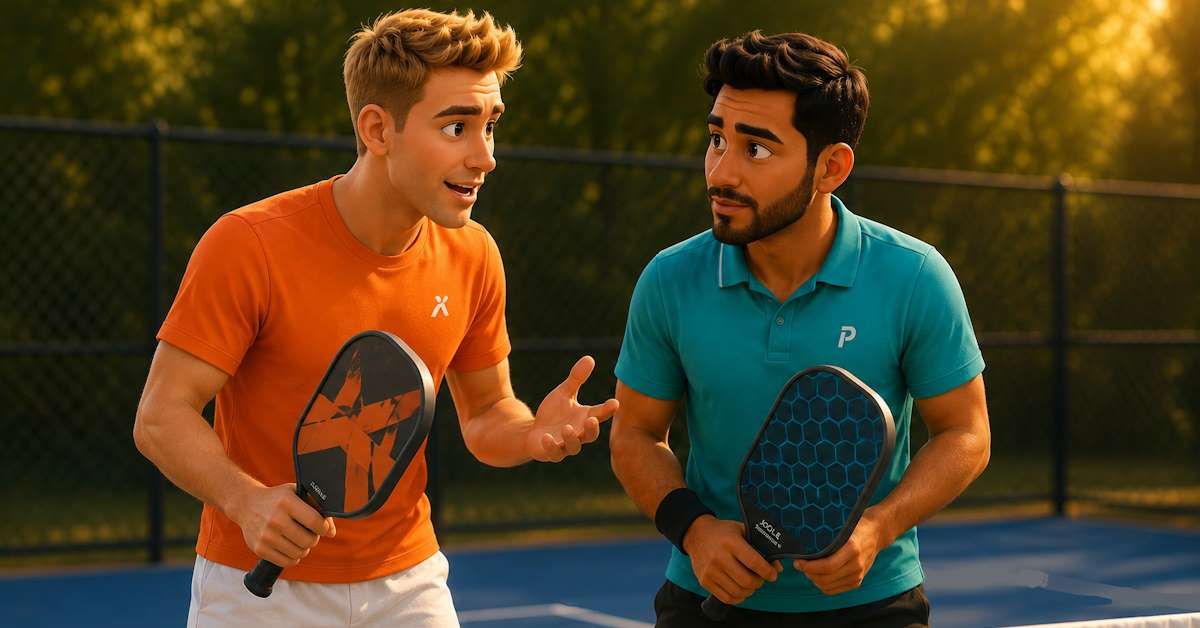
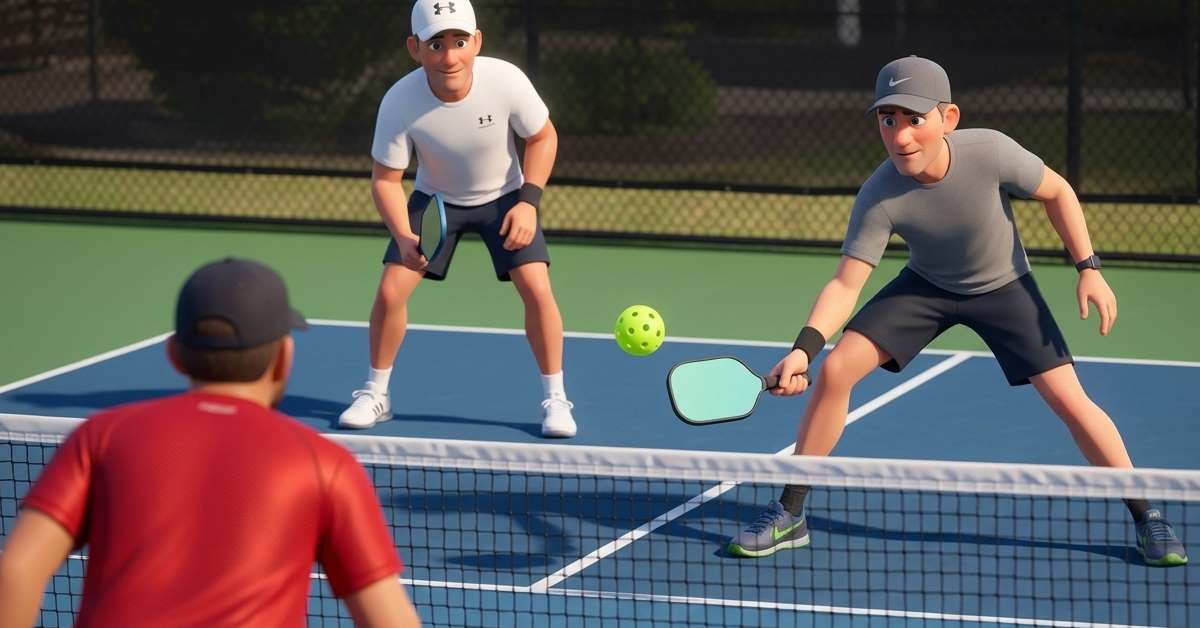
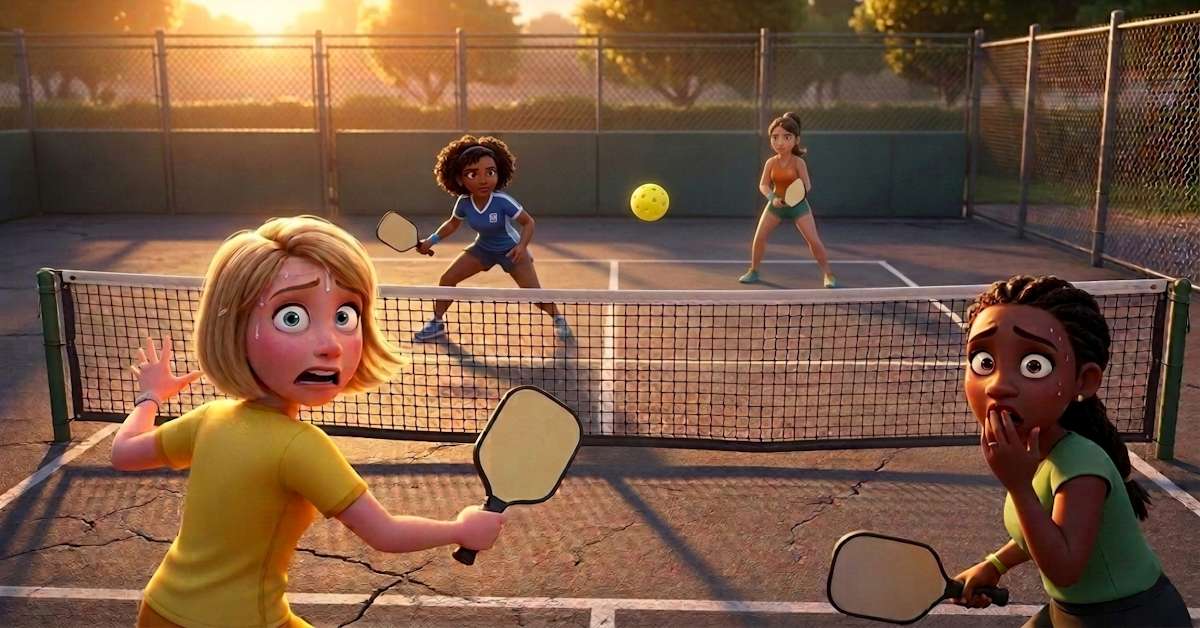
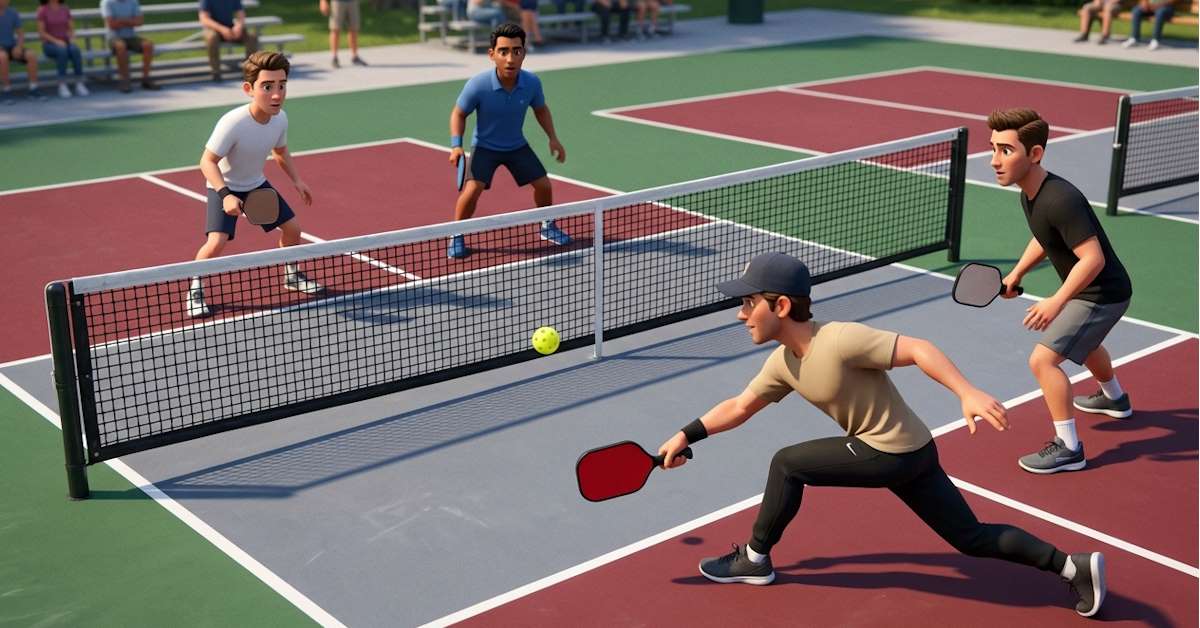
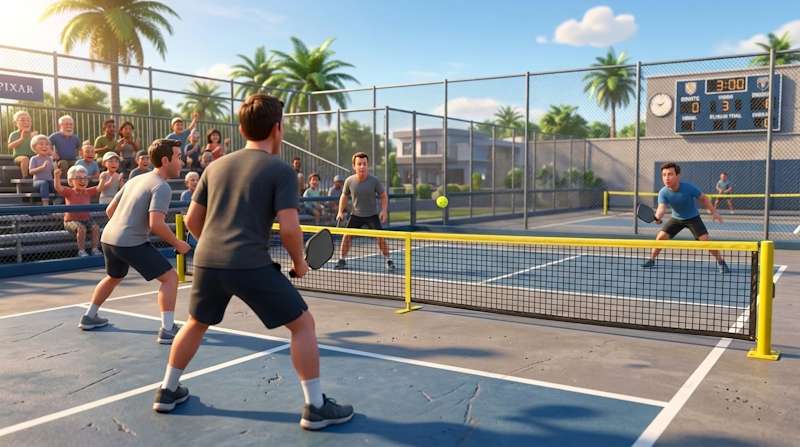
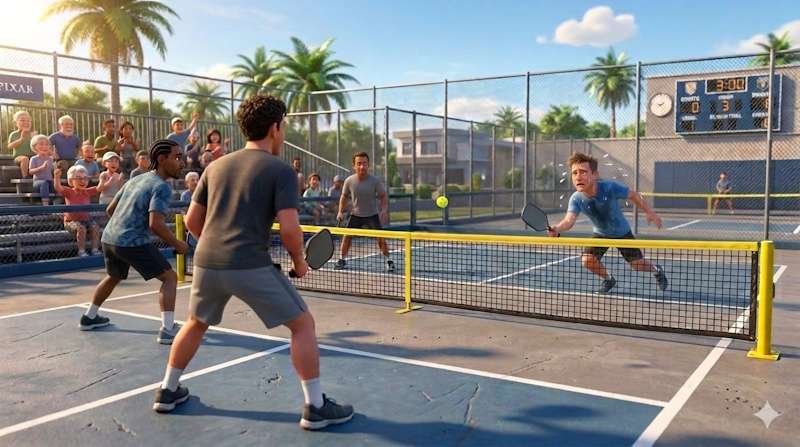
There is an incredibly uncomfortable moment in competitive doubles play when you realize a deliberate strategic shift has occurred across the net. Your opponents have completely stopped hitting the ball to your teammate, choosing instead to funnel every serve, deep return, heavy drive, and soft dink directly into your box.
Being systematically targeted in pickleball is an intense mental and physical challenge that can easily cause an unprepared player to panic and collapse under heavy isolation pressure. When an opposing team decides to isolate you, it is rarely a reflection of your lack of skill; rather, it is a calculated effort to force a breakdown in your mechanical execution through sheer volume and exhaustion.
Overcoming this high-pressure siege requires you to possess a high degree of tactical flexibility and a deep understanding of advanced pickleball doubles positioning.
By learning how to manage the intense emotional weight of isolation and implementing precise layout shifts with your partner, you can successfully disrupt your opponents’ strategy and break the isolation trap. Instead of letting their focused assault wear you down or fracture your team chemistry, you can transform their predictability into a massive strategic disadvantage, allowing you to turn the tables and reclaim absolute control over the tempo of the entire court.
Managing the Emotional Weight of Isolation: Staying Mentally Composed Under a Targeted Siege
The Core Concept: Isolation triggers a rapid wave of emotional frustration and cognitive overload.
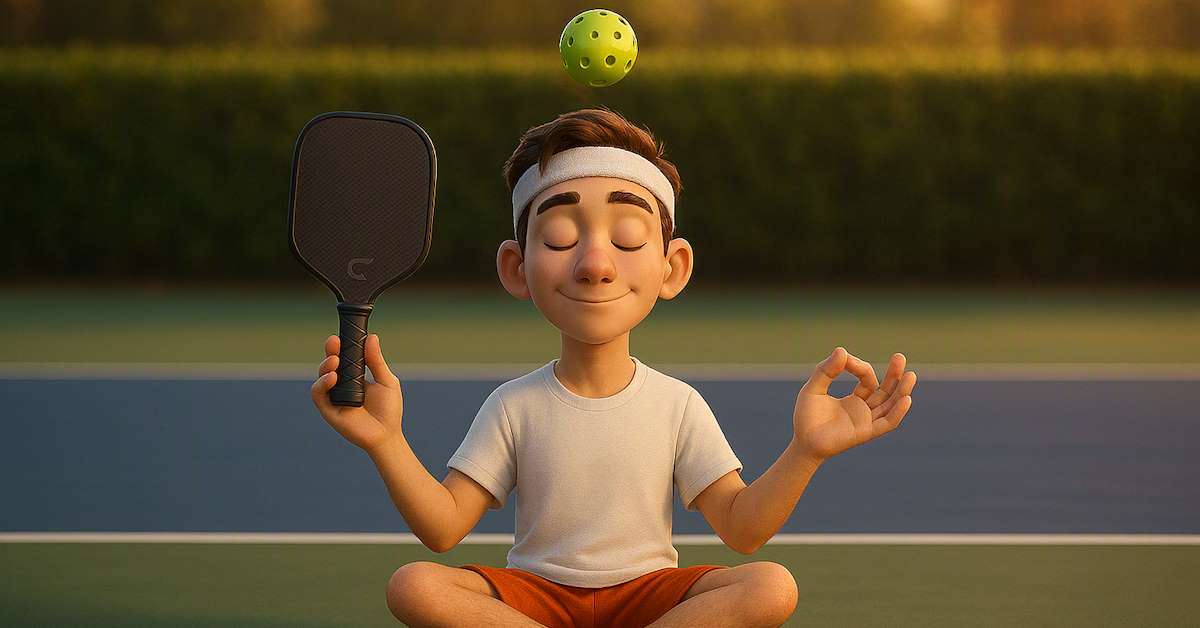
By actively reframing the situation as a massive compliment to your presence and a predictable tactical asset, you can neutralize internal panic, preserve your mechanics, and maintain complete emotional composure when being systematically targeted in pickleball.
- The Coach’s Perspective: The exact second you realize your opponents are freezing out your partner, your brain will naturally want to enter a very dark, defensive place. You will start feeling incredibly isolated, your blood pressure will spike out of pure frustration, and you will think, “Why are they picking on me?”
This emotional frustration is exactly what your opponents want, because a frustrated player immediately starts rushing their swings and over-hitting the ball. As your coach, I want you to completely flip your mental script the very moment you realize you are being targeted in pickleball.
Do not view it as a personal insult; view it as the ultimate sign of respect. They are icing your partner out because they are terrified of what your partner can do, or they are desperately testing your structural discipline to see if you will crack under pressure.
Smile, sink deep into your wide athletic stance at the kitchen line, and welcome the challenge. Knowing that eighty percent of the balls are coming directly to you gives you a massive strategic advantage: absolute predictability.
You no longer have to guess where the ball is going, allowing you to prepare your paddle early and dictate the rhythm of the point with complete confidence.
- The Science Behind It: This psychological pivot relies heavily on managing a cognitive phenomenon known as Isolation Stress Induced Hyper-Reactivity. When you are subjected to a continuous, unyielding stream of high-velocity inputs while your partner stands perfectly still, your brain’s Anterior Cingulate Cortex tracks a severe imbalance in workload allocation.
This visual imbalance triggers an automatic threat response, flooding your system with cortisol and causing your working memory to experience severe Attentional Overload. To combat this mental drain, sports psychologists utilize a technique called Cognitive Reappraisal.
By intentionally relabeling the isolation from an “unfair assault” to a “predictable tactical advantage,” you actively shift your brain out of a defensive threat state and into an aggressive challenge state. This shift down-regulates amygdala activity and preserves your brain’s executive functioning channels.
By keeping your neural pathways calm, you protect your fine motor skills and keep your reaction times lighting-fast, completely neutralizing your opponents’ ability to break you down through volume alone.
The Breakdown for the Court:
- Attentional Overload: This is the cognitive short-circuit that happens when you feel like you are playing a two-on-one match. It causes you to lose track of your standard court boundary lines, making you panic and reach wildly for balls that are actually flying several feet out of bounds.
- Cognitive Reappraisal: Think of this as your brain’s internal translation software. Instead of translating a targeted attack as “They think I am the weakest player on the court,” you force your software to translate it as “They are giving me eighty percent of the opportunities to control this match and dictate the tempo.”
- The Partner Reassurance Cue: The moment you recognize the isolation strategy developing, tap paddles with your teammate and give them a direct verbal command like, “They are coming to me, stay on high alert for the pop-up.” This quick communication instantly relieves the emotional tension on your side of the net, keeping your team chemistry perfectly unified while you prepare your pickleball doubles positioning for the next exchange.
Disrupting the Flow: Tactical Shifts in Pickleball Doubles Positioning to Break the Isolation Trap
The Core Concept: You cannot simply accept a two-on-one blockade and hope your opponents miss.
By executing deliberate, calculated adjustments in your pickleball doubles positioning, you physically alter the court geometry, disrupt your opponents’ predictable patterns, and force them to play into your partner’s strengths.
- The Coach’s Perspective: When you are being ruthlessly targeted in pickleball, standing perfectly still in your standard half of the court is a massive tactical error. If you stay in your default box, you allow your opponents to comfortably groove their rhythm without any fear of intervention.
As your coach, I want you and your partner to start working together like a single, connected accordion to physically break their comfort zone. If your teammate is being completely iced out, they need to start sliding over and aggressively pinching the middle line to shrink the space you have to cover.
Furthermore, your partner needs to start hunting for the “poach” actively sliding across the center line to intercept a predictable cross-court ball and smash it for a winner. The goal is to make your opponents second-guess their strategy.
The exact second they look up and see your partner floating toward the center line, their focus will crack, and they will hit an error trying to force the ball away from the trap.
- The Science Behind It: This tactical spatial adjustment leverages the principles of Dynamic System Self-Organization and Visual Distraction Interference. When an opposing team decides to isolate you, their motor planning operates on a highly automated, low-resistance loop.
Their visual field is locked strictly onto your body position, which minimizes the cognitive processing required for them to select their target area. By introducing a sudden, aggressive shift in your pickleball doubles positioning such as your partner pinching the middle or crossing over for a poach—you inject massive visual noise into their tracking software.
This unexpected physical movement forces their brain to immediately perform a high-velocity Kinematic Recalibration. Because this calculation must happen mid-swing, it triggers an instant bottleneck in their motor execution channels.
This psychological friction disrupts their mechanical timing, immediately turning their highly predictable offensive flow into a forced error or a high, attackable pop-up ball.
The Breakdown for the Court:
- Kinematic Recalibration: This is the frantic, split-second calculation an opponent’s brain has to make when their target suddenly vanishes or changes. It is what happens when they go to hit a routine ball to you, but see your partner sliding across the line at the last second, causing them to panic and pull their shot straight into the net.
- The Accordion Shift: Think of your team as being connected by a tight bungee cord. When you are pulled wide to defend a targeted ball, your partner cannot stay glued to their sideline; they must stretch across the court to seal the middle gap, reducing your defensive coverage zone by half.
- The Poach Blueprint: During practice games, establish a non-verbal cue like a simple hand signal behind your back to tell your partner to cross over and intercept the third or fifth shot. Even if your partner misses the first attempt, simply showing your opponents that you are willing to break the court layout completely shatters their confidence and breaks the isolation trap.
Managing the Physical Fatigue: Pacing Your Energy When Taking 80% of the On-Court Volume
The Core Concept: Taking a massive volume of consecutive shots exponentially accelerates your physical and neurological exhaustion.
By implementing strategic pacing, slowing down the game between points, and prioritizing economy of movement, you preserve your energy reserves and protect your mechanics when being systematically targeted in pickleball.
- The Coach’s Perspective: When you are absorbing eighty percent of the workload on the court, you are running a literal marathon while your partner is essentially spectating. If you try to play at a frantic, rushed tempo under that kind of workload, you are going to hit a physical wall by the middle of the game.
Your movements will get sloppy, your reactions will lag, and your hands will turn to stone. As your coach, my absolute rule when you are being isolated is simple: you must become the master of the clock. The very second a rally ends, do not rush back to the baseline to receive or serve.
Take your time walking to get the ball, look down at your paddle, and take a long, deep breath to let your heart rate settle. On the court, focus on total economy of movement. Stop taking massive, exhausting wild swings at the ball; keep your paddle short, compact, and efficient.
Let the paddle do the heavy lifting for you so you can conserve every ounce of energy for the deep water of the match.
- The Science Behind It: This physical survival strategy relies heavily on managing your Adenosine Triphosphate (ATP) Resynthesis and preventing Neuromuscular Efficiency Decline. When your body is forced to execute continuous, explosive lateral movements without a break, your fast-twitch muscle fibers rapidly deplete their primary chemical fuel sources.
This rapid depletion triggers a cascade of metabolic waste products in your muscle tissue, which aggressively slows down the electrical signals traveling from your motor cortex to your hands. By intentionally elongating the time window between rallies to the maximum legal limit, you maximize your body’s Phosphagen System Recovery.
This brief pacing window allows your cardiovascular system to flush away cellular waste and restore oxygen to your working muscle groups. Furthermore, shifting to compact stroke mechanics minimizes the recruitment of unnecessary muscle fibers, preserving your nervous system’s processing bandwidth.
This deliberate conservation directly prevents the mechanical breakdown that occurs when a player gets overwhelmed while being targeted in pickleball.
The Breakdown for the Court:
- Neuromuscular Efficiency Decline: This is the scientific term for your brain-to-muscle connection short-circuiting from pure exhaustion. It is what happens when you know exactly where you want to place a dink, but your tired forearm muscles fail to fire precisely, causing the ball to pop up for an easy opponent smash.
- Paddle Compactness: Imagine you are playing inside a tight telephone box. Keep your backswings incredibly short and use your opponent’s incoming pace to rebound the ball instead of muscle-powering your shots. This minor mechanical adjustment cuts your physical energy expenditure in half, keeping you completely fresh for the finish line.
- The 10-Second Breathe Walk: Never let the opponents dictate how fast the game moves between points. When you are taking all the shots, make it a non-negotiable habit to walk a slow, deliberate circle behind your baseline after every long rally to force your physical systems to reboot before the next point begins.
Conclusion: Turning Isolation Into an Asset
Surviving a relentless, two-on-one blockade is the ultimate test of a competitor’s psychological resilience and tactical adaptability.
By actively choosing to view isolation as a massive strategic compliment and a highly predictable asset, you completely neutralize the emotional frustration that your opponents are trying to trigger.
You do not have to accept the blockade passively.
Work fluidly with your teammate to execute precise adjustments in your pickleball doubles positioning, use the maximum legal time between points to protect your physical energy reserves, and rely on compact, efficient strokes to outlast the siege.
The exact second you transform their predictable targeting strategy into an emotional trap for themselves, the geometry of the court completely shifts back into your favor.
Stay calm under pressure, control the tempo of the clock, and break the isolation trap with unshakeable discipline.
Looking Ahead to Mindset #9: High-Stakes Focus: Defeating Crunch-Time Pressure at Match Point
You have successfully navigated the intense pressure of being isolated on the court, adjusted your structural position with complete tactical flexibility, and outlasted your opponents’ targeted blockade through superior energy management.
Your execution is sharp, your team chemistry is perfectly unified, and you have fought your way to the absolute peak of the match.
The score line reads 10-9, you are standing at the baseline with the ball in your hand, and you are officially facing the ultimate high-stakes threshold: match point.
In our next article, we are going to dive deep into the intense psychological reality of crunch-time performance.
We will unpack the advanced sports psychology secrets behind executing your skills flawlessly when the entire outcome of the tournament hangs on a single ball strike.
You will discover exactly how to handle the sudden physical manifestations of choke-pressure, how to silence the paralyzing fear of failure when victory is a single point away, and how to maintain complete clarity of intent to confidently seal the win.
Ready to Conquer the Pressure and Close Out Your Matches?
Don’t let match-point anxiety or crunch-time panic cause you to freeze up right at the finish line.
Click the link below to discover the exact cognitive tools and routines elite tournament players use to stay relaxed, shut out the noise, and execute their best shots under maximum high-stakes pressure.
Read the Next Chapter: Pickleball Mindset #9: High-Stakes Focus: Defeating Crunch-Time Pressure at Match Point