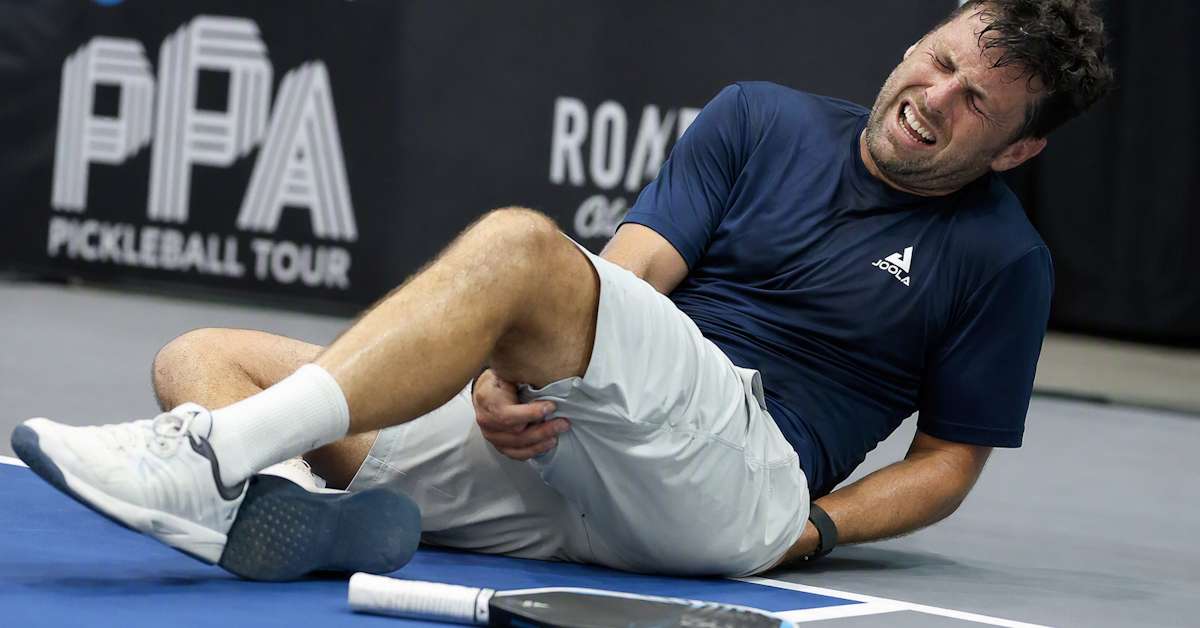
Put the Paddle Down: The Shocking Truth About Pickleball Burnout
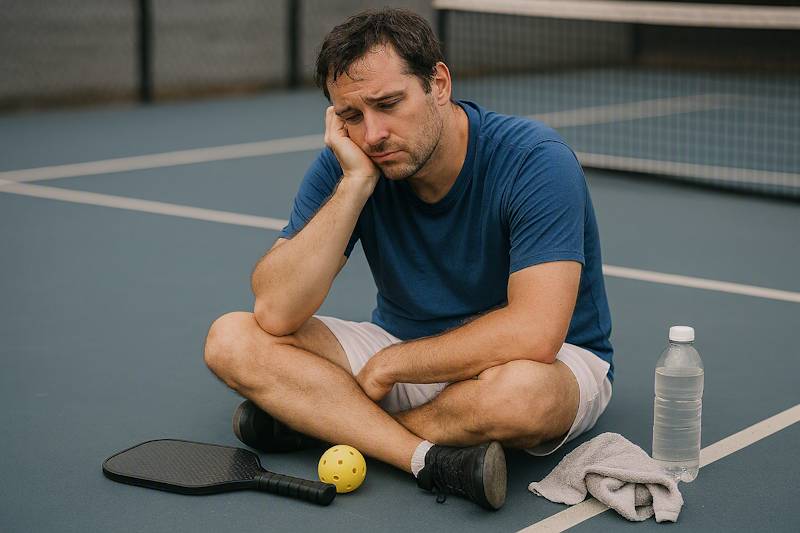
Playing Too Much Pickleball? Why It Is Ruining Your Game
Pickleball is notoriously addictive. What starts as a casual weekend hobby quickly spirals into a full blown obsession where you find yourself playing three, four, or even seven days a week. You want to get better, so you play more. It seems like completely logical math, but overplaying often triggers a severe pickleball performance slump. Instead of improving, you begin reinforcing bad pickleball habits and exposing your body to painful overuse injuries.
But lately, you might have noticed something strange happening out on the courts. Your reliable dinks are hitting the tape. Your third shot drops are flying way past the baseline. Your reaction time feels just a little sluggish, and you are making silly, unforced errors on shots you used to crush in your sleep.
This brings us to a frustrating question that every obsessed player must eventually face: Is playing too much pickleball ruining my game?
The short answer is a resounding yes. There is a definite tipping point where more court time actually degrades your skill, destroys your form, and actively stalls your progress. Here is why it happens, and how to fix it before you completely burn out.
Summary: Is Overplaying Ruining Your Pickleball Game?
If your reliable third shot drops are flying deep or your kitchen line reaction time feels sluggish, you are likely experiencing pickleball burnout. Grinding through physical exhaustion hard wires lazy habits into your muscle memory and stalls your progress.
- 🛑 Limit Sessions: Keep competitive play capped at 2 hours to avoid fatigue-driven form breakdown.
- 🔄 Drill Over Play: Swap one standard rec-play day for 30 minutes of intentional, focused drilling.
- 💤 Enforce Rest: Commit to at least 2 mandatory weekly rest days to allow physical and neural recovery.
The Law of Diminishing Returns: Why Pickleball Over Training Ruins Your Game
When you play pickleball in a state of chronic physical or mental fatigue, you stop playing with intent. Instead, your brain enters pure survival mode.
When your lower body muscles are tired, your proper footwork goes right out the window. Instead of bending your knees and getting low to meet the ball, you start reaching with your paddle and bending lazily at the waist. This subtle shift completely alters your paddle face angle, leading to highly inconsistent shots and pop ups that your opponents will happily smash right back at you.
Worse yet, scientific data tracking recreational court habits shows that playing on consecutive days or overextending your sessions drastically increases the relative risk of lower extremity and chronic overuse injuries. You aren’t practicing good habits anymore; you are actively hard wiring lazy, fatigued mechanics right into your muscle memory.
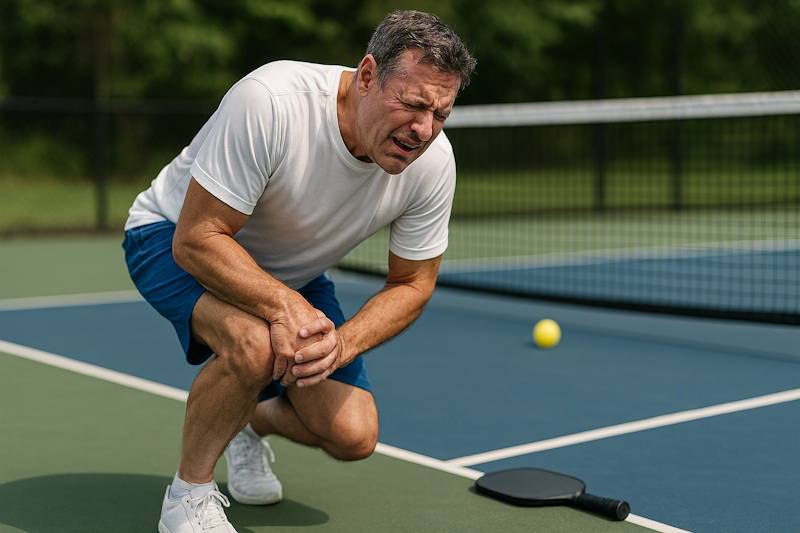
Mental Burnout and the Kitchen Line Delay
Pickleball is an incredibly fast, highly tactical sport. At the kitchen line, success or failure is decided in a matter of milliseconds. You need high level spatial awareness, anticipation, and lightning fast reflexes.
When you overplay, mental fatigue sets in long before physical exhaustion does. Your brain’s processing speed slows down. You stop tracking the plastic ball all the way to your paddle face, and you miss the subtle physical cues from your opponent’s shoulder position or paddle tilt.
If you find yourself constantly surprised by fast bangers or feeling like the ball is flying at you faster than usual, you don’t need a new paddle. Your brain is simply begging for a brief intermission.
| Overtraining Sign | Impact on Game Mechanics | Quick-Fix Strategy |
|---|---|---|
| Physical Fatigue | Poorer footwork, lazy waist bending, popped-up balls | Swap a play day for a 30-min targeted drill day. |
| Mental Fatigue | Slow kitchen line processing, missing paddle cues | Prioritize sleep and strict 2-hour session caps. |
| Chronic Inflammation | Muscle aches, high tendon/joint injury risks | Enforce 2 mandatory weekly rest days. |
4 Critical Signs of Pickleball Burnout and Exhaustion
Look out for these classic red flags that prove your hectic playing schedule is actively hurting your DUPR rating:
- The “Plateau Effect”: You are playing more hours than ever, but your tournament results or rec play wins are steadily dropping.
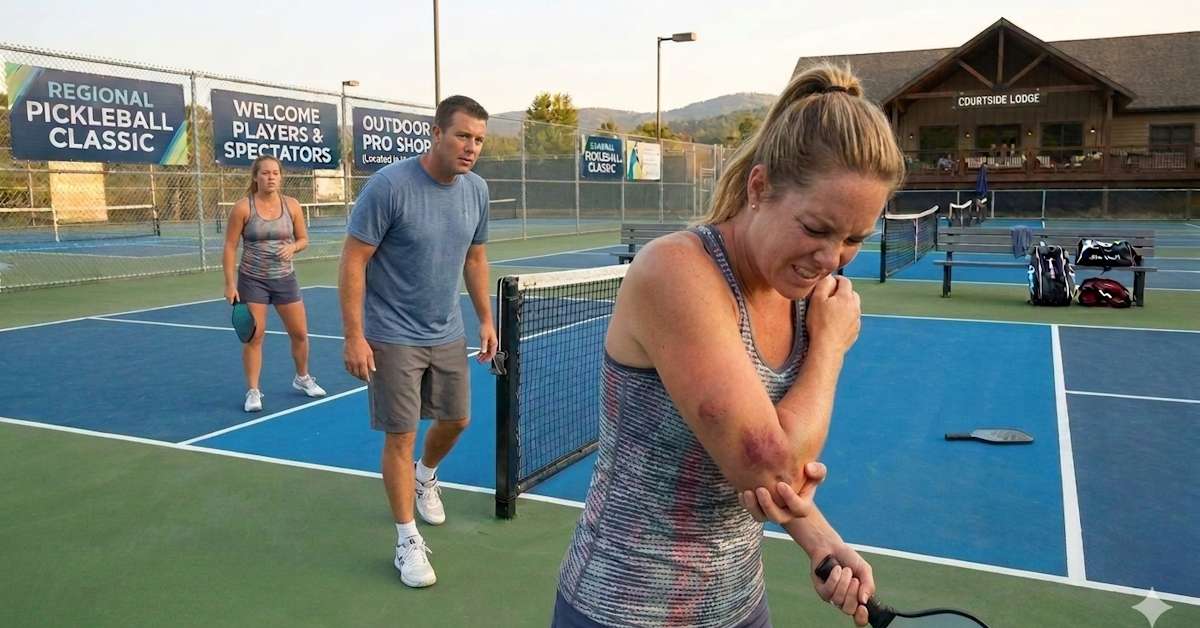
- The Phantom Aches: Your pickleball elbow, knees, or lower back ache before you even finish your first warm up game.
- Brain Fog on the Court: You constantly lose track of the score, forget which server you are on, or make baffling tactical choices.
- Loss of Joy: Stepping onto the court feels more like an item on your daily to do list rather than the absolute highlight of your day.
The Health Past 45 Reality Check
If you are navigating health past 45, recovery isn’t an option it is a mandatory metric of your performance. Your body simply takes longer to repair muscle tissue and replenish neural energy than it used to.
Without adequate rest days, your muscles stay inflamed, your joints lose elasticity, and your risk of a serious injury skyrockets. A torn tendon or severe strain will force you off the courts for months. Taking two planned rest days a week is a much better strategy than being sidelined by your doctor for half a year.
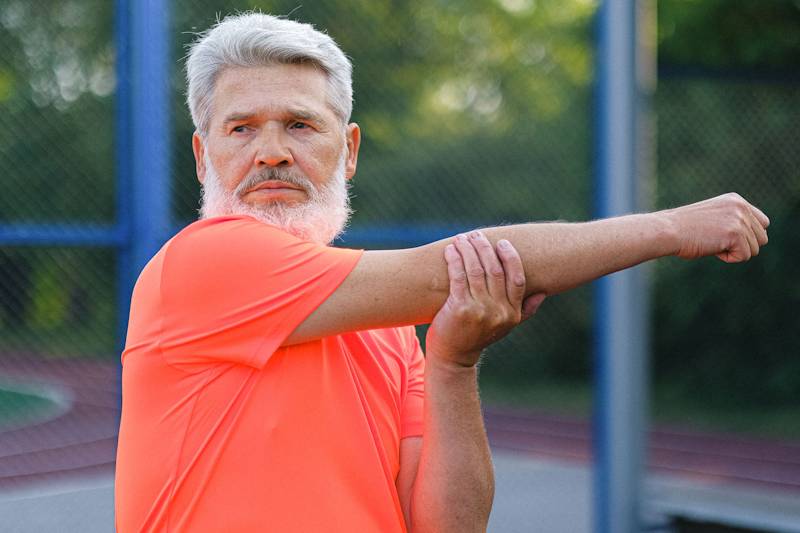
Essential Pickleball Tips to Fix Your Game Without Quitting
You don’t have to give up your passion; you just need to balance your enthusiasm with a little bit of tactical rest. Use these pickleball tips to get back on track:
- Trade One Play Day for a Drill Day: Playing competitive games while exhausted ruins your form. Spend one of your usual court sessions doing targeted drilling instead. Thirty minutes of intentional, focused dinking drills while fresh will improve your game faster than three hours of sloppy games while exhausted.
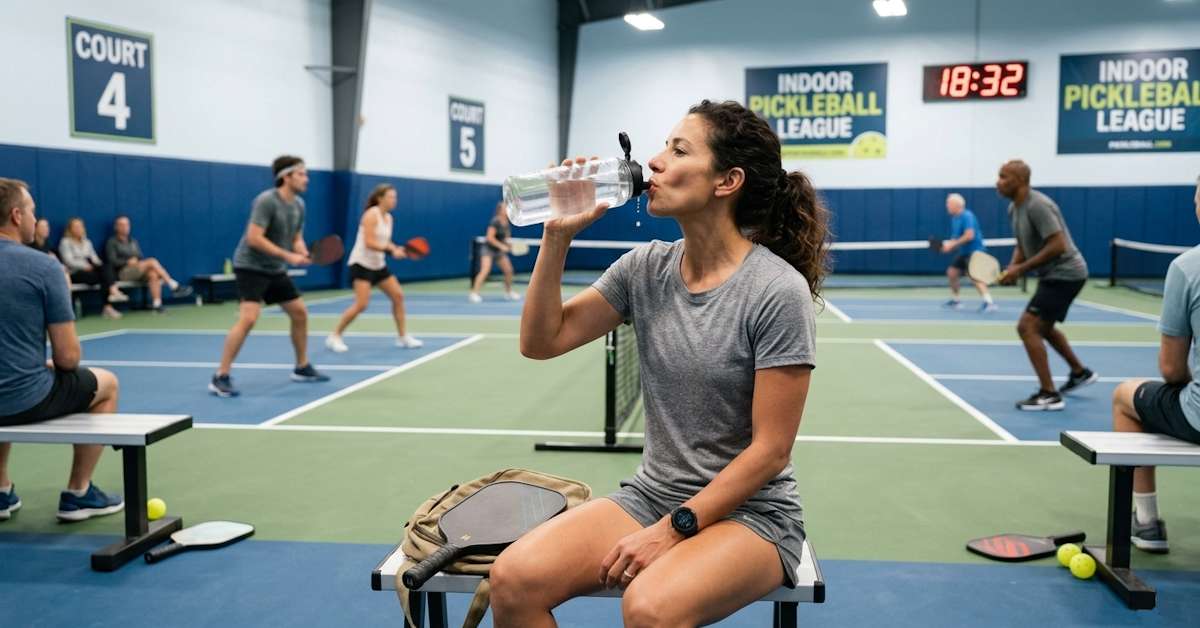
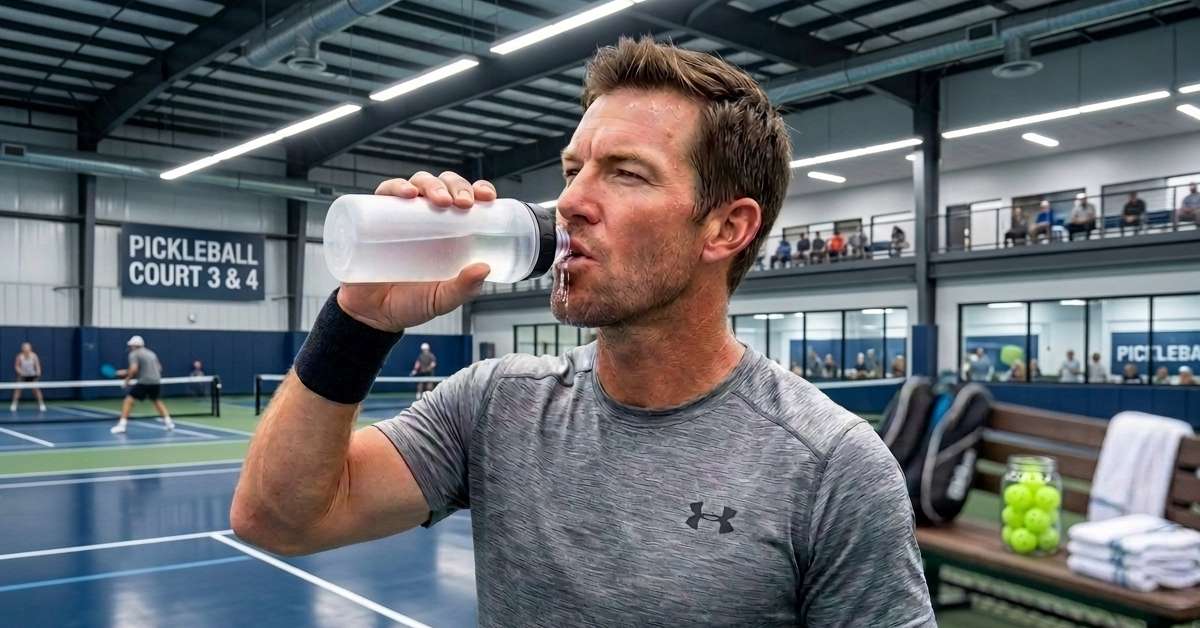
- Prioritize Neural Recovery: Sleep and proper hydration are the ultimate performance enhancers. Give your brain the downtime it needs to process the muscle memory you built during your matches.
- Focus on Quality over Quantity: Limit your sessions to two hours of high intensity, focused play rather than marathon four hour sessions where the last half of the night is played with terrible posture and lazy feet.
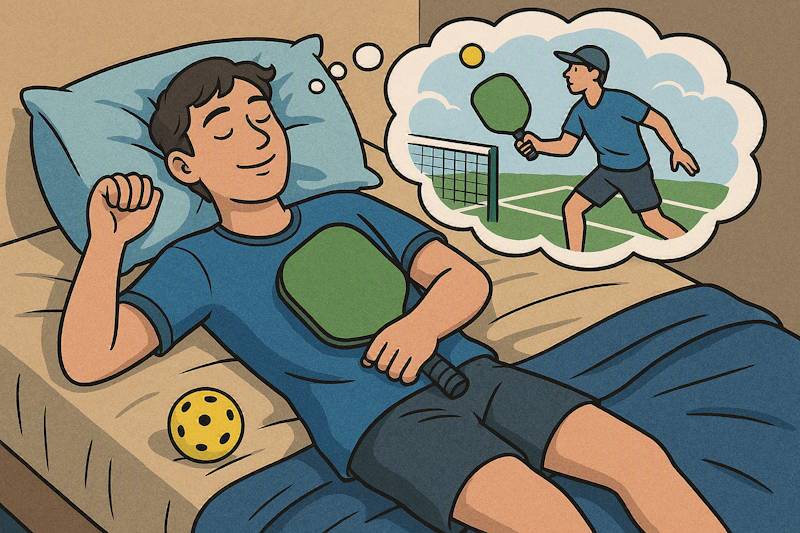
Rest is Part of the Strategy
True self awareness on the court means knowing exactly when your body and mind need to step away. If your game is slipping, the solution isn’t grinding through another exhausting, three hour rec session. Step back, recover, and return to the kitchen line with the sharpness, agility, and focus required to actually win.
Shift from Passive Rest to Active Recovery
Resting doesn’t mean sitting on the couch all day doing nothing. Elite players treat recovery as an extension of their training. To bounce back faster and flush out metabolic waste, incorporate these active recovery habits into your mandatory rest days:
- Self-Myofascial Release: Spend 10 minutes using a firm foam roller on your calves, hamstrings, and glutes. This mimics a therapeutic sports massage, breaks up muscle tightness, and restores lower body elasticity.
- Targeted Mobility Drills: Focus on opening your hips and stretching your hamstring muscles. Better hip and ankle mobility directly improves your agility and stops you from bending lazily at the waist when lunging for low kitchen dinks.
- Percussive Therapy: Use a massage gun on your forearm and shoulder muscles. Rapid visual vibrations reduce muscle stiffness and actively combat the early onset of chronic pickleball elbow.
- Contrast Temperature Therapy: Utilize a cold plunge (50–59°F) or take a cold shower to constrict blood vessels and blunt inflammation. Follow it up with sauna therapy to boost full body circulation and relax tight muscle tissue.
By replacing a sloppy, exhausted play session with a dedicated active recovery routine, you aren’t quitting you are strategically rebuilding your body to dominate your next match.
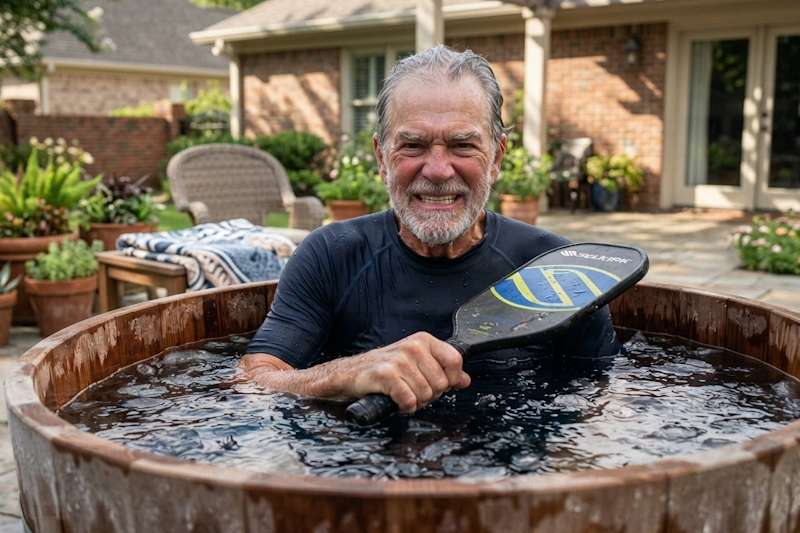
One More Game? Just Say No!!!
Ultimately, breaking out of a slump requires you to step off the court and analyze your habits with complete honesty. By choosing strategic recovery over mindless grinding, you protect your long term health and ensure your skills keep climbing. Remember, recognizing when you need a break is a massive sign of athletic maturity so don’t let playing too much pickleball turn your favorite hobby into a painful chore.
Rest up, reset your focus, and get ready to return to the kitchen line with the sharpness needed to dominate your next match. After all, your opponents aren’t going to show you any mercy, and you definitely can’t blame your terrible third shot drops on the wind forever!
Frequently Asked Questions About Pickleball Burnout
How many days a week should you play pickleball to avoid burnout?
For players navigating health past 45, limiting play to 3 – 4 days a week with a minimum of 2 dedicated rest days strikes the ultimate balance between building skill and allowing muscle tissue to repair.
What are the first signs of over training in pickleball?
The earliest signs include chronic physical fatigue (such as persistent pickleball elbow), sudden performance plateaus, hitting standard drops past the baseline, and experiencing brain fog regarding match scores.
Can playing too much pickleball actually make your DUPR rating drop?
Yes. Chronic physical exhaustion forces your body to execute sloppy, unforced errors and hard wire bad habits directly into your muscle memory, inevitably tanking your competitive tournament results.
Scientific Sources & Further Reading
- BMC Sports Science, Medicine and Rehabilitation: The Impact of Mental Fatigue on Physical Performance, Technical Skills, and Cognitive Function in Racket Sports: A Systematic Review
- Frontiers in Psychology: Effects of Acute Mental Fatigue on Attention Allocation and Motor Execution Accuracy in Racket Sport Athletes